Discover the Benefits of Pallet Jack Automatic Solutions?
Pallet Jack Automatic solutions are revolutionizing the logistics industry. These advanced tools streamline warehouse operations, allowing for improved efficiency and reduced labor costs. Businesses are increasingly adopting these innovations to enhance productivity in material handling tasks.
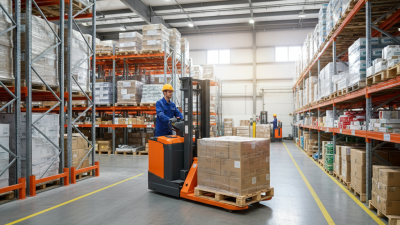
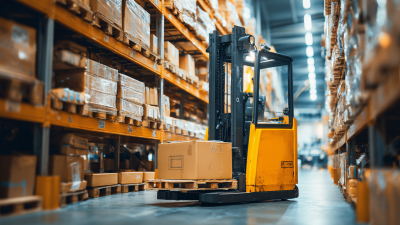
The benefits are impressive. Pallet Jack Automatic systems can operate in tight spaces, handling heavy loads with ease. They reduce the risk of injury for workers and minimize equipment damage. Seeing these machines in action highlights their potential to transform daily operations.
Yet, some challenges remain. Organizations must consider integration with existing systems and training for operators. There’s a learning curve involved. Investing in these technologies is essential, but companies must plan carefully to maximize their return. Embracing Pallet Jack Automatic solutions can lead to significant advancements, but reflection on strategies will ensure a successful transition.
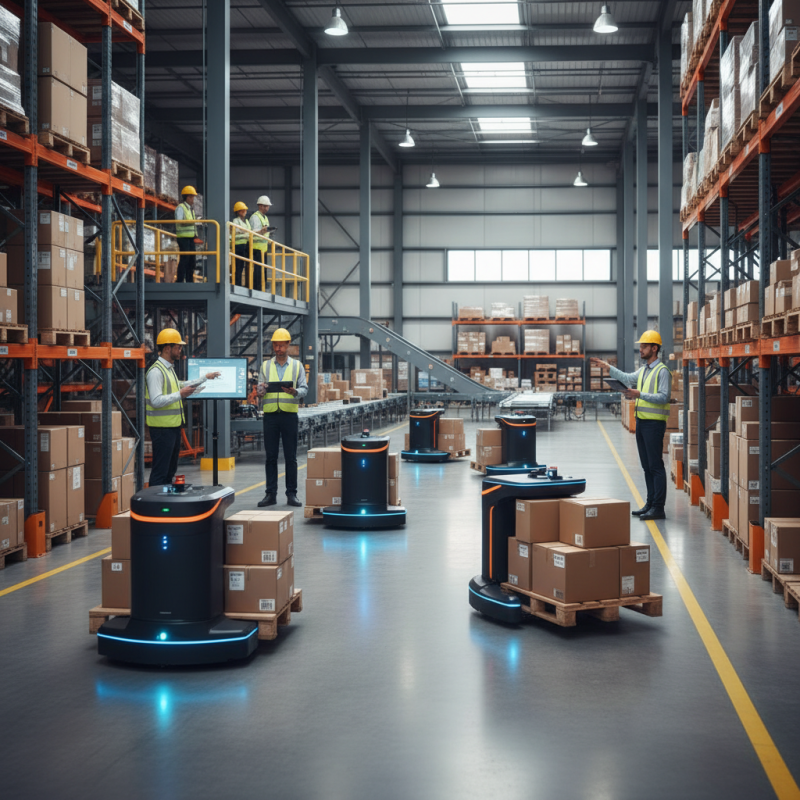
Benefits of Automatic Pallet Jack Solutions for Warehousing Operations
Automatic pallet jack solutions are transforming warehousing operations. Their introduction significantly enhances efficiency and productivity. According to industry reports, companies can improve their throughput by up to 30% with automated systems. This increase is primarily due to reduced manual labor and minimized human error.
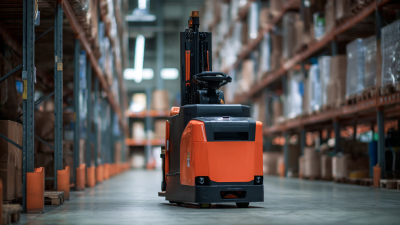
Autonomous pallet jacks streamline the movement of goods. They operate in tight aisles, maneuvering through spaces human operators might find challenging. These machines can handle loads weighing over 3,000 pounds, allowing for a quicker and safer process. However, integrating automation comes with its challenges. Training staff to work alongside these machines is crucial, and some operators may resist this change.
Data from logistics studies suggests that facilities using automated solutions reported a 40% reduction in workplace injuries. Employees can focus on higher-level tasks while machines handle heavy lifting. However, not every operation sees immediate benefits. Businesses must assess their specific needs before investing in automation, ensuring the alignment of technology with operational goals. Balancing efficiency and employee adaptation remains a key focus for successful implementation.
How Automatic Pallet Jacks Enhance Workplace Safety and Efficiency
Automatic pallet jacks bring notable improvements to workplace safety and efficiency. According to the Occupational Safety and Health Administration (OSHA), material handling injuries account for approximately 20% of workplace injuries. By incorporating automatic pallet jacks, companies can reduce the risk of these injuries. These machines minimize manual lifting, significantly decreasing strain on workers’ backs and reducing the potential for accidents.
Moreover, automatic solutions streamline operations. A study by the Material Handling Industry (MHI) found that 70% of logistics companies reported improved productivity after implementing automation tools. Automatic pallet jacks can operate with precision, making it easier to transport heavy loads. This efficiency reduces the time spent on each task, allowing employees to focus on higher-level operations.
However, as with any technology, there is a learning curve. Operators must be trained to use these systems effectively, and not all facilities may have the resources for such training.
Increased efficiency often leads to higher productivity levels. However, it can also create a dependency on technology. In some cases, relying solely on automated systems may reduce human oversight. Employees might miss out on developing critical problem-solving skills. Therefore, while automatic pallet jacks enhance safety and efficiency, organizations need to balance technology usage with maintaining human input in their operations.
Cost-Effectiveness of Implementing Automatic Pallet Jacks in Supply Chains
The cost-effectiveness of automatic pallet jacks in supply chains is profound. These machines reduce labor costs significantly. They can operate in small spaces, increasing efficiency. This means businesses can handle more products with fewer workers. Manual lifting can lead to worker injuries, increasing costs over time. Automatic pallet jacks help mitigate this risk.
Additionally, automatic solutions streamline operations. They enhance picking speeds and accuracy. With fast load movement, delays in the supply chain can be minimized. Companies often see a return on investment within months. However, initial setup costs can be high, leading to hesitation. Not every warehouse may benefit immediately. Each business must assess its unique needs and capacity.
Flexibility is key. Adapting technology to different layouts can be challenging. Some systems may require extensive training. It’s important to consider these factors before implementing automatic pallet jacks. The balance between cost and benefit is critical for long-term success.
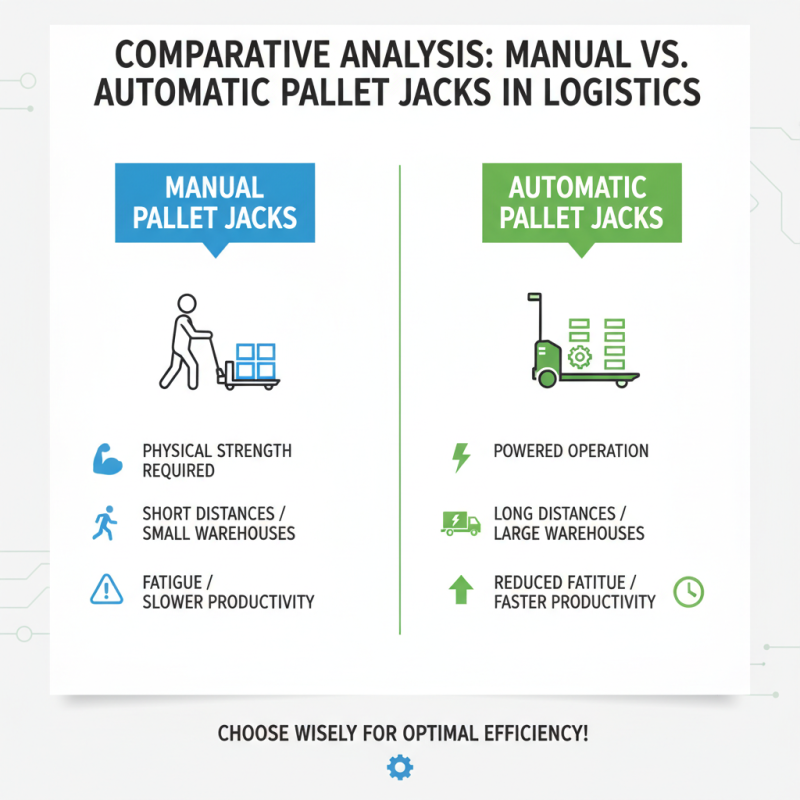
Comparative Analysis: Manual vs. Automatic Pallet Jacks in Logistics
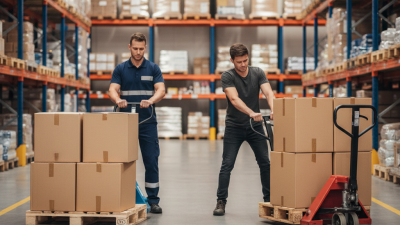
In the logistics industry, choosing between manual and automatic pallet jacks can be a crucial decision. Manual pallet jacks require physical strength and can lead to fatigue over time. They are effective for short distances but less efficient in large warehouses. Operators must be trained to use them safely, which may slow down productivity.
On the other hand, automatic pallet jacks offer significant advantages. They can move heavy loads quickly without manual effort. This reduces the risk of workplace injuries associated with lifting. Furthermore, automatic versions improve overall efficiency, allowing more time for other essential tasks. However, the initial investment can be high, and maintenance is necessary.
It's vital to assess the unique requirements of your operations. Are automatic models worth the cost in your environment? Consider factors like workload, space, and employee capabilities. An optimal choice can enhance workflow while meeting safety standards. Balancing these aspects is essential for long-term success.
Future Trends in Automatic Pallet Jack Technologies and Innovations
The future of automatic pallet jack technologies is promising. Recent reports indicate a potential growth of 18% in the automated material handling market by 2026. This rise is driven by increased efficiency and labor cost savings. Automated pallet jacks offer precise navigation and improved safety, reducing the risk of accidents in warehouses.
Autonomous pallet jacks utilize advanced sensors and AI algorithms. These systems ensure seamless operation in busy environments. Industry experts note that the integration of machine learning can enhance operational efficiency by up to 30%. Such innovations provide flexibility in logistics, allowing for real-time data analysis and adjustments to routines.
Tips: Consider investing in training for your workforce. Familiarity with new technologies will ease the transition. Regular assessments of your current systems can also reveal potential areas for improvement. Predictive maintenance features in automated solutions can help prevent costly downtimes. Keep an eye on emerging technologies; staying informed is crucial for maintaining a competitive edge.

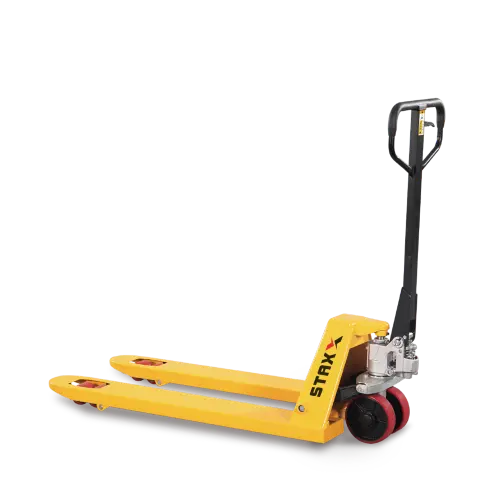 Hand Pallet Trucks
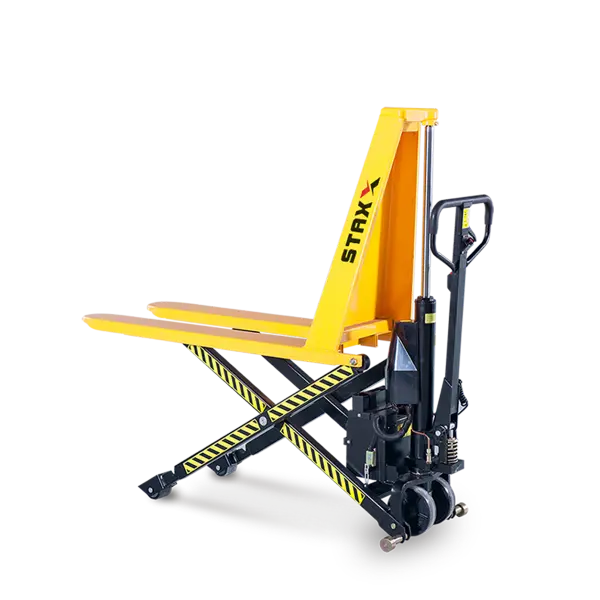 Special Pallet Trucks
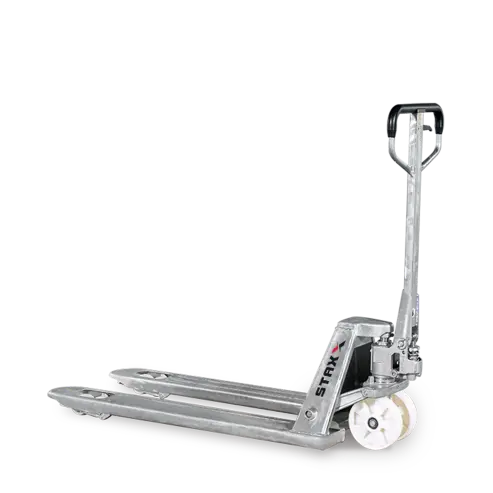 Galvanized and Inox Series
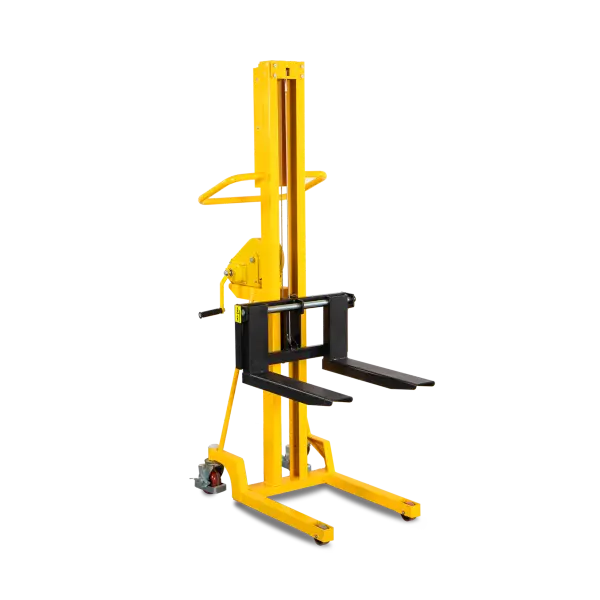 Easy Lift Service
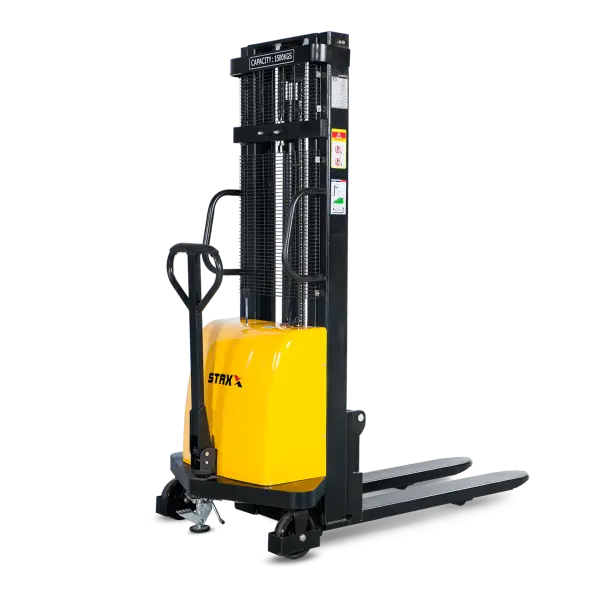 Manual Stackers
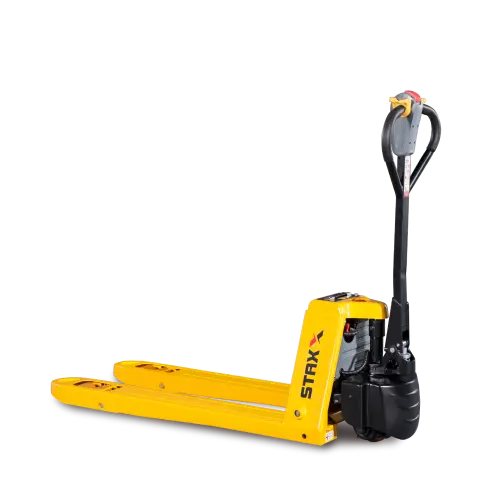 Electric Pallet Truck
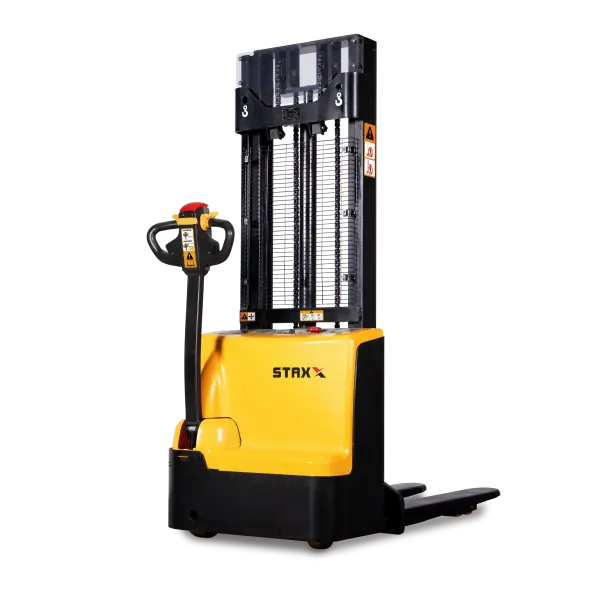 Electric Stackers
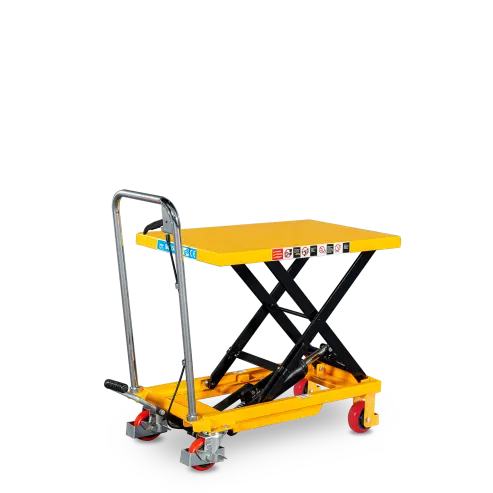 Lift Table
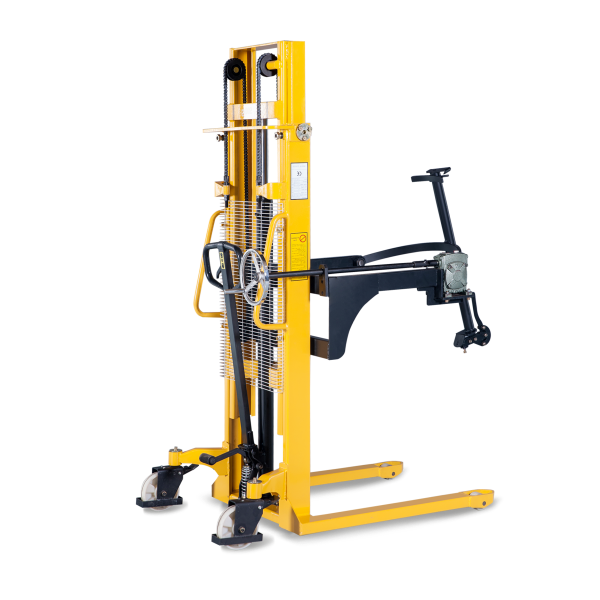 Drum Handling
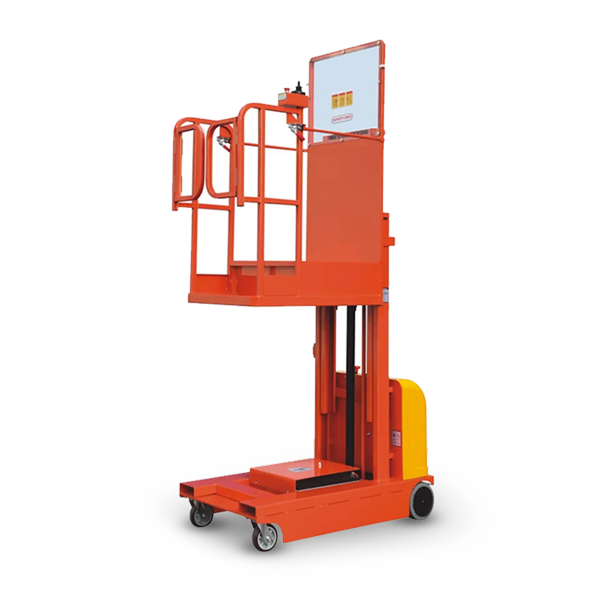 Others