Top Benefits of Using a Powered Pallet Jack in Warehousing Operations
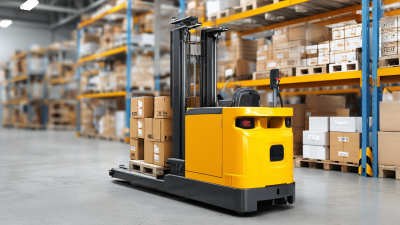
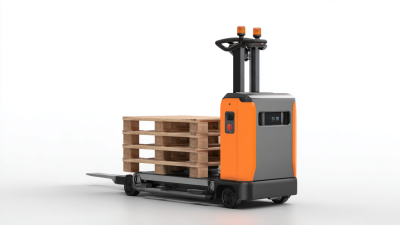
In today’s fast-paced warehousing operations, the adoption of modern equipment is paramount in enhancing efficiency and productivity. One such essential tool is the Powered Pallet Jack, which has transformed the way goods are moved within warehouse environments. According to a recent report by the Material Handling Industry of America, the use of powered equipment can improve operational efficiency by up to 30%, significantly reducing the time taken for loading and unloading tasks. This increase in productivity not only benefits the bottom line but also helps maintain a safe working environment by minimizing the physical strain on workers.
Industry expert John Smith, a senior logistics consultant, emphasizes the importance of integrating advanced tools like the Powered Pallet Jack into warehousing practices. He notes, "Incorporating powered solutions into everyday operations is no longer a luxury but a necessity for businesses aiming to stay competitive and efficient in the market." As warehouse operations continue to evolve, understanding the advantages of using a Powered Pallet Jack will be crucial for companies seeking to optimize their logistics strategies, streamline workflows, and ultimately enhance their service delivery.
Benefits of Enhanced Efficiency in Warehouse Operations
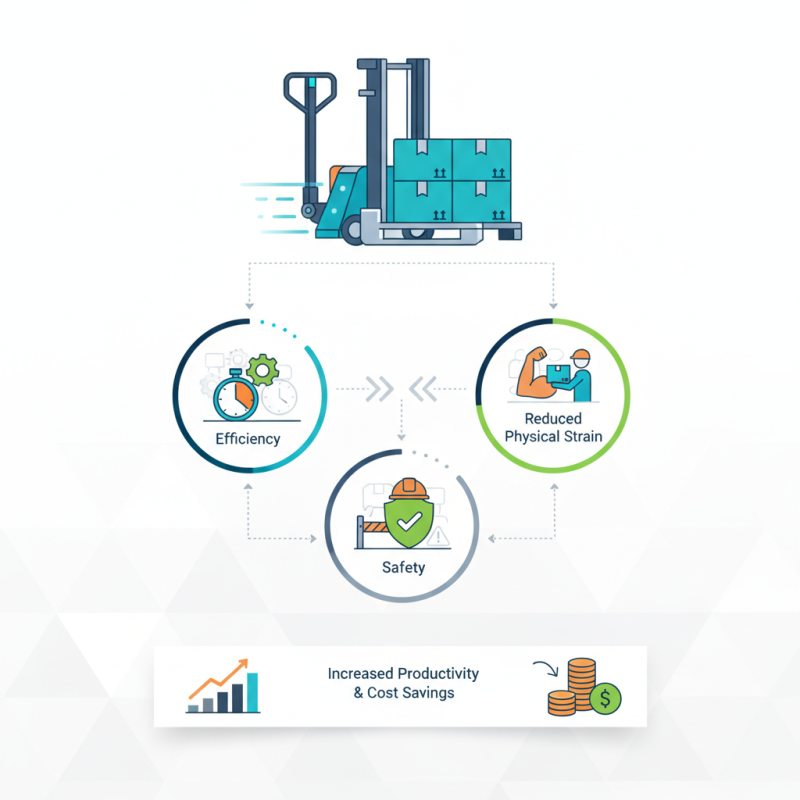
In modern warehousing operations, efficiency is paramount, and using a powered pallet jack can significantly enhance productivity. This powerful tool minimizes the physical strain on workers while streamlining the movement of goods across the warehouse floor. By efficiently lifting and transporting heavy loads, powered pallet jacks allow employees to focus on higher-value tasks rather than the manual handling of products, reducing the risk of injuries and increasing overall work output.
One key benefit of powered pallet jacks is their ability to speed up the loading and unloading process. With adjustable speeds and excellent maneuverability, these machines enhance the workflow by allowing operators to swiftly navigate around tight spaces. This acceleration not only saves time but also maximizes the effectiveness of space utilization within the warehouse, ensuring that goods are stored and retrieved promptly.
Tips for maximizing efficiency with powered pallet jacks include regular maintenance checks to ensure optimal functionality, training workers on effective operation techniques, and strategically planning the layout of the warehouse to minimize travel distances. By adopting these practices, warehousing operations can leverage the full benefits of powered pallet jacks, leading to a smoother, faster, and safer working environment.
Improved Safety Measures in Material Handling
The integration of powered pallet jacks in warehousing operations significantly enhances safety measures in material handling. According to a report by the Occupational Safety and Health Administration (OSHA), over 20,000 workers are injured annually while using manual pallet jacks, often due to improper lifting techniques or lack of visibility. Powered pallet jacks mitigate these risks by offering mechanical assistance, reducing the physical strain on workers and minimizing the potential for accidents. By employing these powered tools, warehouses can decrease injury rates, thus fostering a safer work environment.
Implementing powered pallet jacks also benefits organizations economically. The National Institute for Occupational Safety and Health (NIOSH) states that workplace injuries cost U.S. businesses approximately $161 billion each year. By improving safety protocols with powered pallet jacks, warehouses not only protect their workforce but can also reduce costs associated with workers’ compensation claims and related training for injury management.
Tips for enhancing safety in your warehouse include:
- Conducting regular training sessions on the proper use of powered pallet jacks.
- Ensuring thorough inspections of the equipment prior to use.
- Establishing clear pathways for transport to minimize congestion and enhance visibility.
- Employing a standardized color-coding system for floor paths to further reduce accidents related to movement and visibility.
Reduction of Labor Costs and Physical Strain
The implementation of powered pallet jacks in warehousing operations provides a significant advantage in reducing labor costs and minimizing physical strain on workers. According to a report by the Occupational Safety and Health Administration (OSHA), lifting and moving heavy loads is one of the primary causes of workplace injuries, accounting for approximately 25% of all reported incidents in the warehouse sector. By utilizing powered pallet jacks, companies can lower injury rates since these machines require less manual effort and enable employees to move heavy items more efficiently.
Furthermore, the introduction of powered pallet jacks can lead to notable reductions in labor costs. A study by the Warehouse Education and Research Council (WERC) reveals that automation in material handling can enhance productivity by up to 30%. By minimizing the time spent on manual lifting and transporting goods, businesses can allocate their workforce to more strategic tasks, thereby maximizing overall operational efficiency.
This shift not only enhances employee safety but also allows for a more skilled workforce to focus on higher-value activities, ultimately driving performance and profitability within warehouse operations.
Versatility in Handling Various Cargo Types
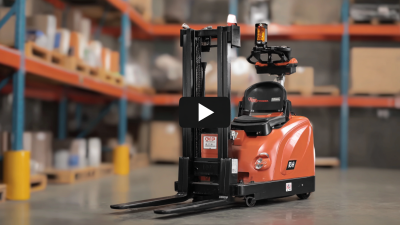
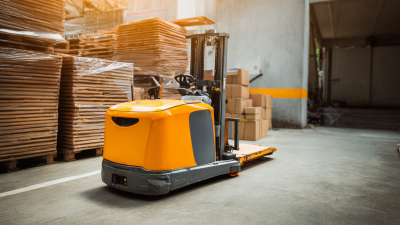
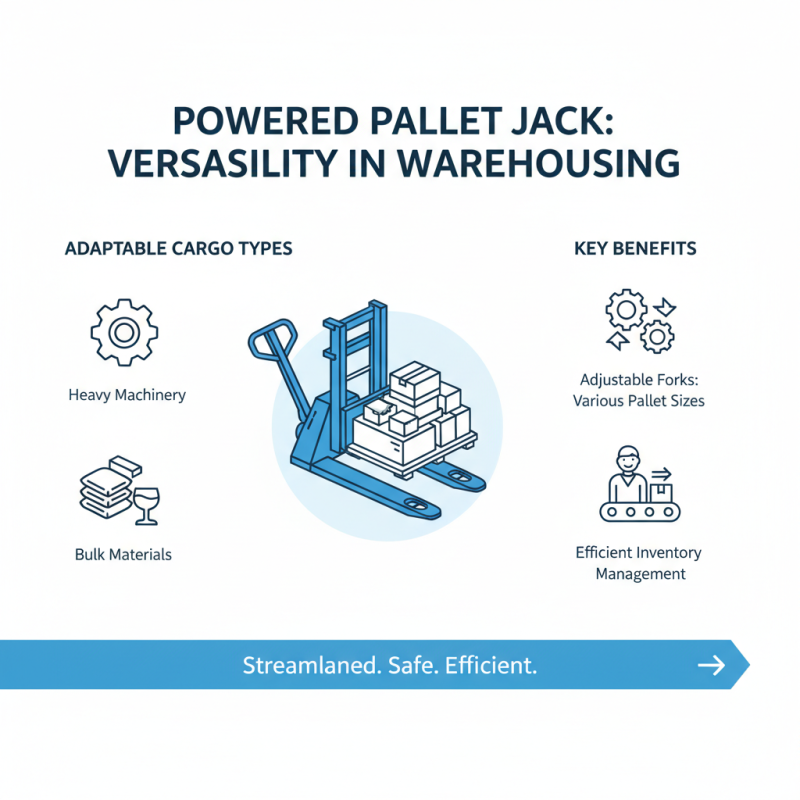
A powered pallet jack stands out in warehousing operations due to its versatility in handling various cargo types. This adaptability allows businesses to efficiently manage diverse inventories, from heavy machinery and bulk materials to fragile items. The adjustable forks accommodate different pallet sizes and designs, ensuring safe and effective transportation of goods. Moreover, the intuitive controls simplify the handling process, enabling operators to focus on maneuverability rather than the mechanical challenges of moving heavy loads.
The ability to easily switch between inclines, tight spaces, and varying surface conditions makes powered pallet jacks an essential tool in dynamic warehouse settings. Their electric motors provide the necessary power to lift and transport heavier items that would otherwise strain manual labor. Additionally, features like ergonomic designs and enhanced visibility improve operator comfort and safety, further boosting productivity. As a result, powered pallet jacks not only streamline the handling process but also contribute to a more flexible and responsive warehousing environment, catering to a broad spectrum of cargo needs.
Easy Integration with Existing Warehouse Systems
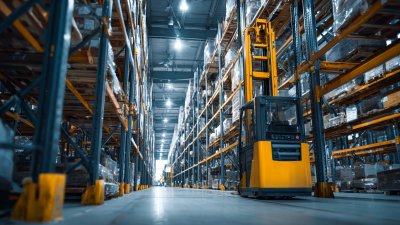
The integration of powered pallet jacks into existing warehouse systems offers a seamless enhancement to logistical operations. One of the most significant advantages is their compatibility with various warehouse layouts and inventory management systems. These electric-powered devices can easily fit into narrow aisles and tight spaces, allowing for efficient navigation without requiring major adjustments to the facility’s layout. This flexibility enables warehouse managers to improve workflow without undergoing costly renovations or extensive retraining of personnel.
Moreover, powered pallet jacks can be paired with modern warehouse management software (WMS), which streamlines inventory tracking and order fulfillment processes. Operators can quickly update inventory levels in real-time as they move goods, ensuring accurate data management and significantly reducing the risk of errors. By aligning the use of powered pallet jacks with existing technologies, warehouses can enhance productivity, minimize downtime, and ultimately achieve greater operational efficiency. This easy integration means that organizations can leverage existing resources while upgrading their material handling solutions, leading to smoother and more successful warehouse operations.

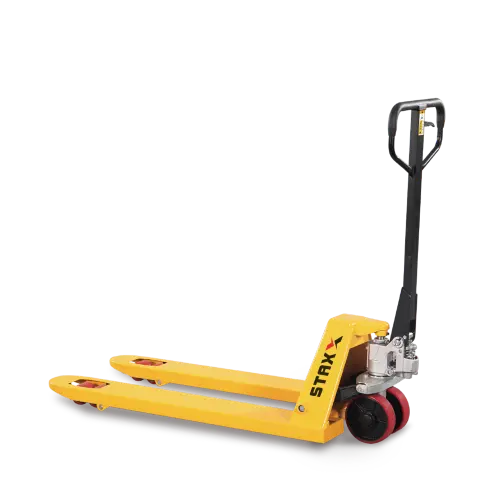 Hand Pallet Trucks
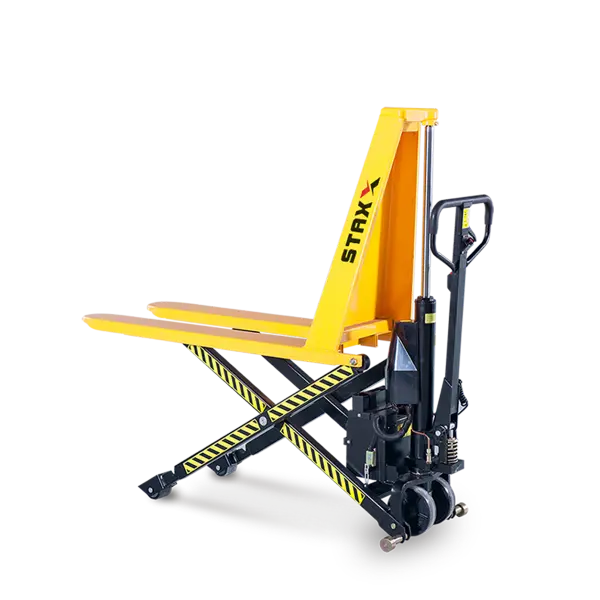 Special Pallet Trucks
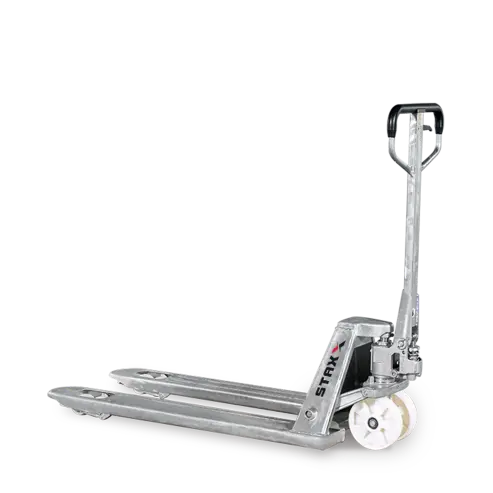 Galvanized and Inox Series
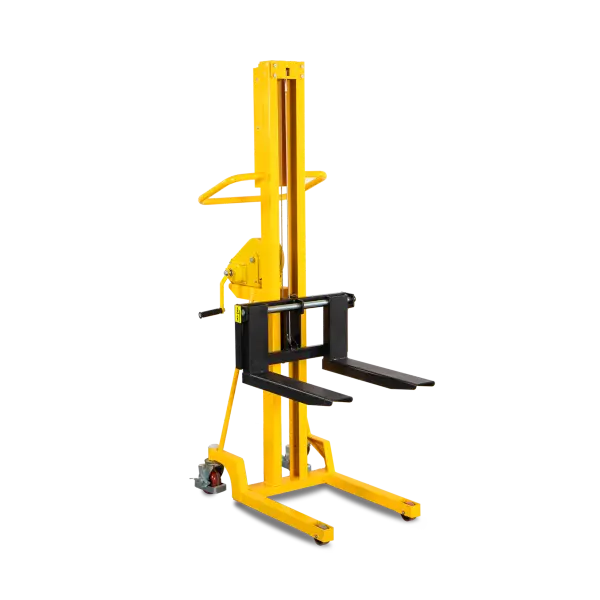 Easy Lift Service
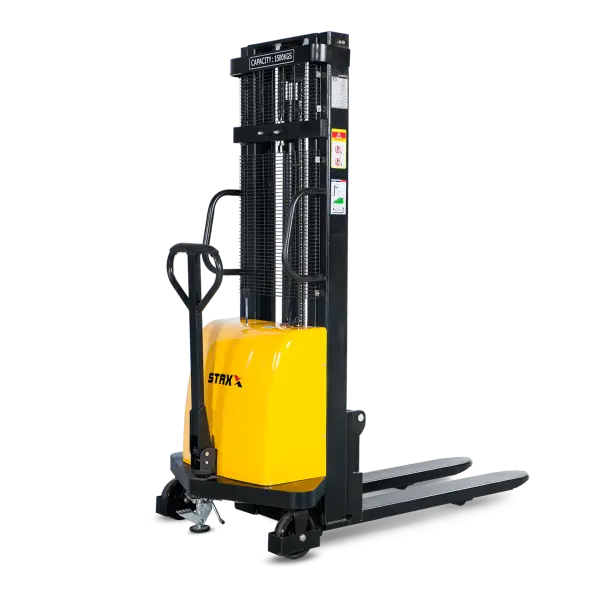 Manual Stackers
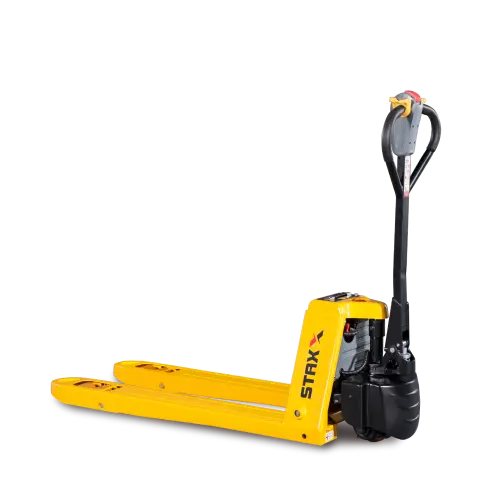 Electric Pallet Truck
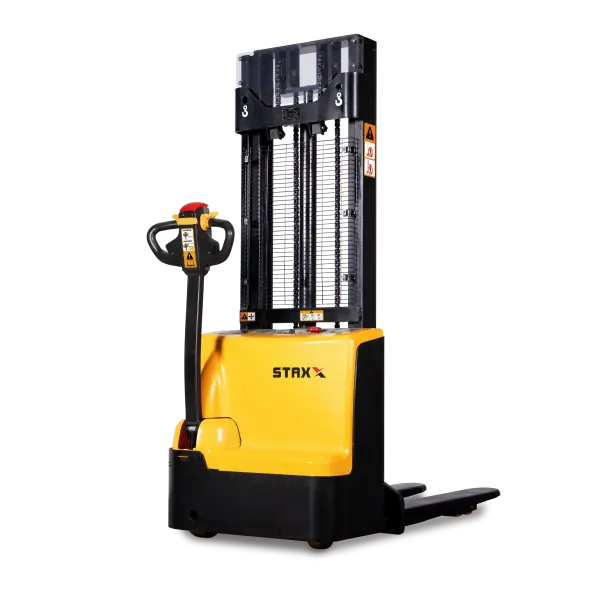 Electric Stackers
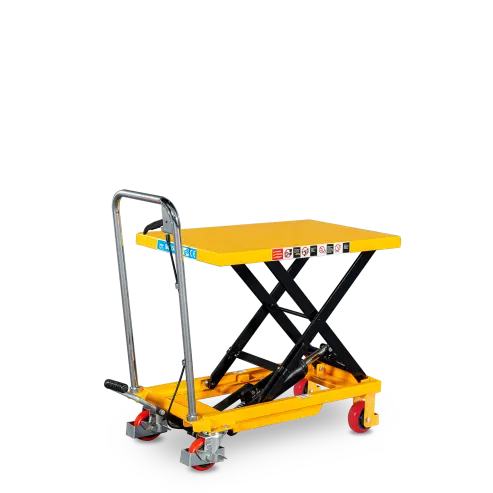 Lift Table
 Drum Handling
 Others