Why Choose a Hand Pallet Jack for Your Warehouse Needs?
In today's fast-paced warehouse environment, choosing the right tools can significantly enhance productivity. According to John Carter, a leading expert in material handling, "A Hand Pallet Jack can transform your workflow efficiency." This simple yet effective tool is essential for moving goods safely.
Hand Pallet Jacks are versatile and can handle various loads. They are particularly useful when space is limited. However, not everyone realizes that proper training is crucial for their safe operation. The risks of improper use cannot be overlooked. It is vital to understand both the benefits and potential hazards.
Investing in a Hand Pallet Jack can seem straightforward. Yet, factors like weight capacity and load distribution should be considered. Observing how this equipment integrates into your existing system is also key. Many overlook the importance of regular maintenance, which can lead to unexpected breakdowns.
Benefits of Using a Hand Pallet Jack in Warehouse Operations
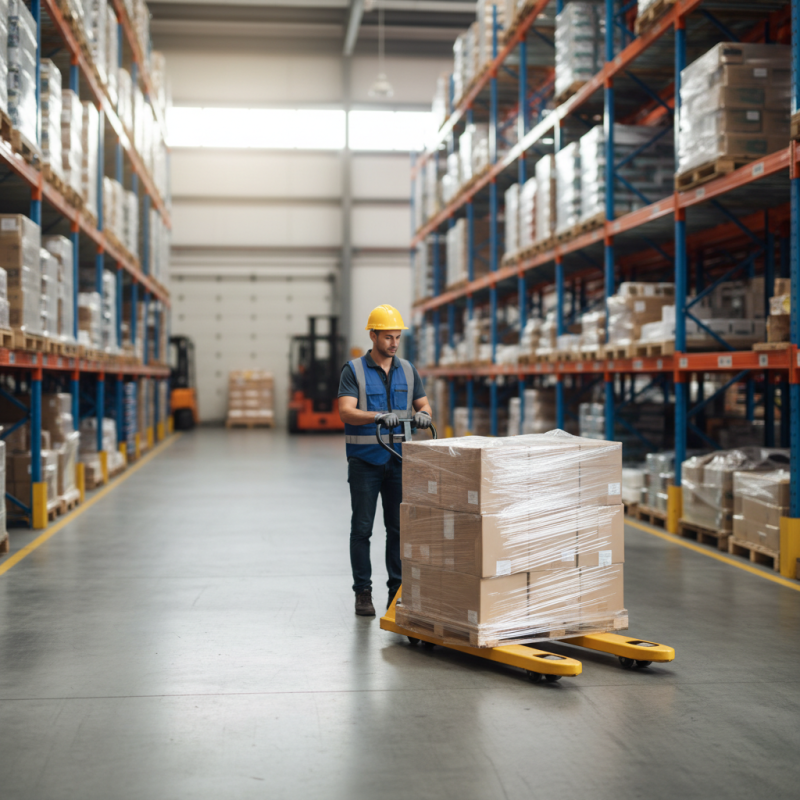
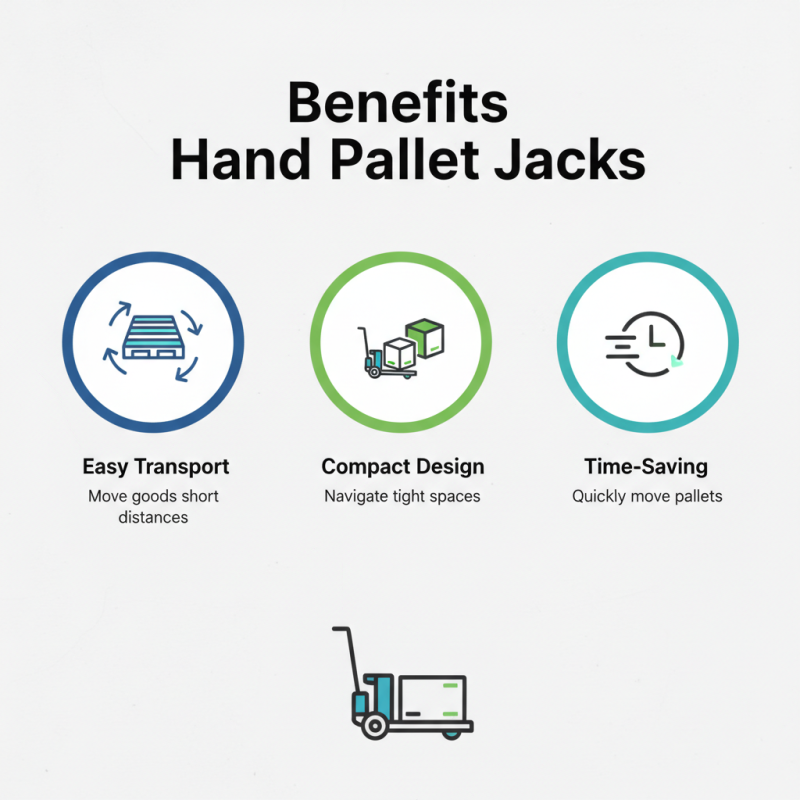
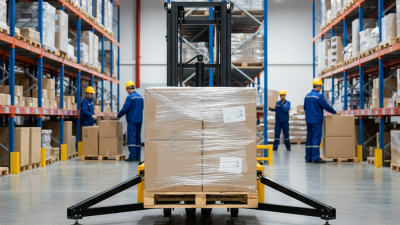
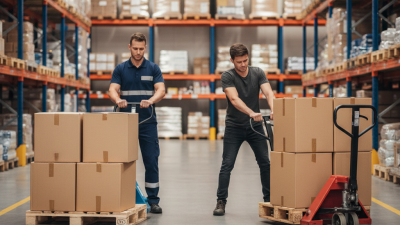
A hand pallet jack is essential for warehouse operations. It offers a straightforward way to transport goods over short distances. With its compact design, it can navigate tight spaces easily. Operators can move pallets quickly, saving valuable time.
Using a hand pallet jack improves efficiency. It allows staff to lift and move heavy loads without straining. Employees tend to be more productive when using this tool. However, training is necessary to ensure safety. Inexperienced users may struggle initially, leading to minor accidents.
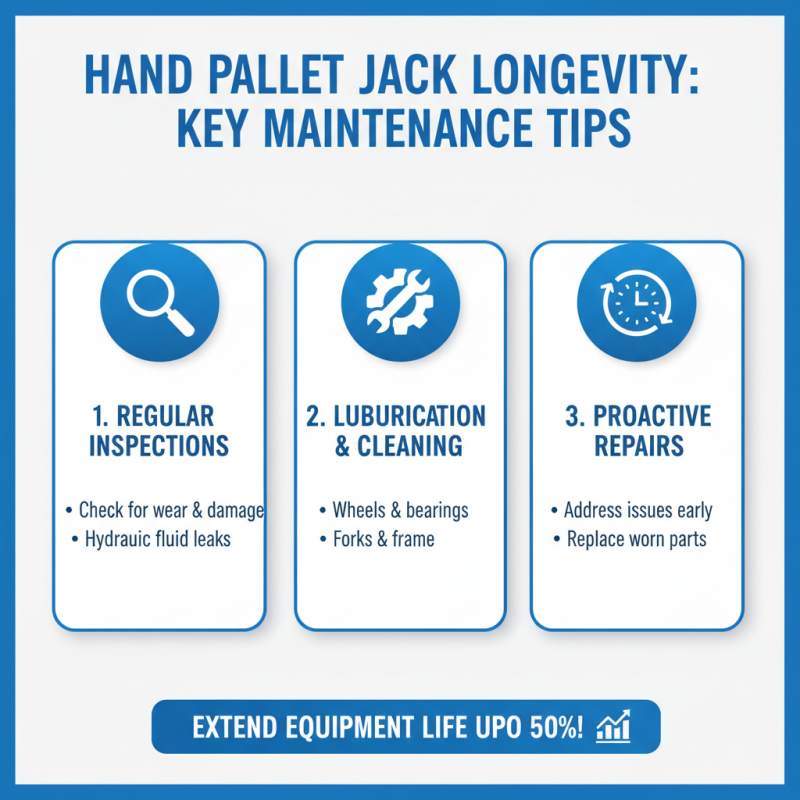
Maintaining a hand pallet jack is crucial but often overlooked. Regular checks can prevent breakdowns. Inadequate maintenance may lead to operational delays. Observing proper usage guidelines can increase the lifespan of the equipment. Operators should always be encouraged to seek assistance when needed. A team-first approach can foster a safer work environment.
Key Features of Hand Pallet Jacks You Should Know
When considering a hand pallet jack for your warehouse, several key features stand out. The fork length is crucial. Standard sizes usually range from 48 to 60 inches. Choose one that meets your racking and pallet dimensions. The lifting capacity matters greatly too. Most hand pallet jacks can lift around 5,500 pounds, but always verify this. Overloading can cause damage or accidents.
A good hand pallet jack will have a durable structure. Steel construction ensures longevity, even in harsh environments. Wheel type is vital; nylon wheels work well on smooth surfaces, while rubber ones are better on rough terrain. Don’t overlook the ergonomics of the handle. A comfortable grip and easy maneuverability enhance usability throughout long work hours.
Tips: Regular maintenance is essential. Check for leaks in the hydraulic system. Inspect wheels for wear and tear. Simple upkeep can extend your equipment's life. Another tip is to ensure operators are trained. This reduces the risk of accidents and boosts efficiency. Sometimes, warehouses overlook training, leading to unnecessary complications. Choose wisely and understand what your specific needs are.
Comparison of Hand Pallet Jacks and Other Material Handling Equipment
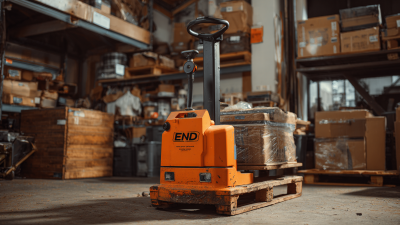
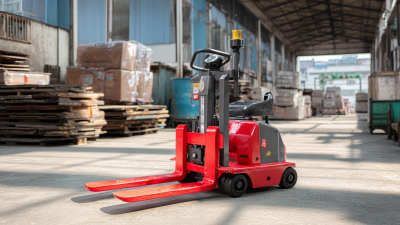
When it comes to material handling, hand pallet jacks hold a unique position. They are often compared to electric pallet jacks and forklifts. Each option has its advantages, but hand pallet jacks offer simplicity and flexibility.
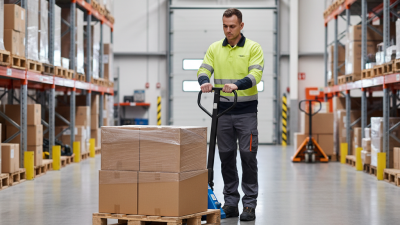
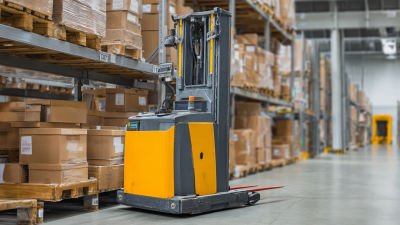
Hand pallet jacks are lightweight and compact. This makes them ideal for tight spaces. They require minimal training to operate efficiently. On the other hand, electric pallet jacks can be more powerful but may also demand more maintenance. Forklifts provide high lifting capacity, yet they often need more space and skilled operators.
Tips:
Check the weight capacity of the hand pallet jack. Overloading can lead to accidents. Always inspect the wheels. Worn-out wheels can cause difficulties in mobility.
Using a hand pallet jack may seem straightforward, but it has its challenges. Maneuvering in narrow aisles can be tricky. Users may need to adjust their speed based on the surroundings. Communication in busy areas is vital.
Tips:
Make sure to plan your path before moving. Avoid abrupt movements to prevent spills or injuries. Keep areas clear to enhance safety.
Choosing the Right Hand Pallet Jack for Your Specific Needs
When selecting a hand pallet jack, it's crucial to assess your specific needs. Warehouse operations can vary widely. Factors like load capacity, lifting height, and wheel type should be considered. According to industry reports, over 70% of warehouses in North America rely on hand pallet jacks for efficient materials handling. This highlights their importance in daily operations.
Choosing the right model can make or break efficiency. For example, a jack with a 5000 lbs load capacity might suit heavy-duty applications. Conversely, lighter models work better for smaller items. Don't overlook wheel types; polyurethane wheels provide smoother movement on concrete. However, they may not perform well on rough surfaces.
Often, businesses rush the selection process, leading to mismatched tools and wasted time. A proper assessment of your space and inventory is vital. Take note of aisle dimensions and item sizes. Adapting to your environment can significantly enhance productivity. Keep in mind that the initial cost must align with long-term benefits. Choosing wisely today can save costly adjustments tomorrow.
Warehouse Efficiency: Hand Pallet Jack vs. Traditional Forklift

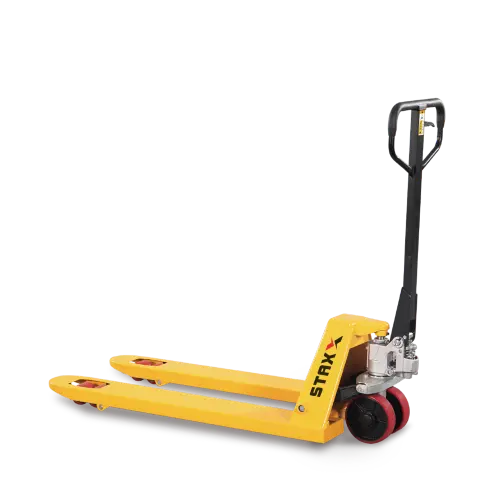 Hand Pallet Trucks
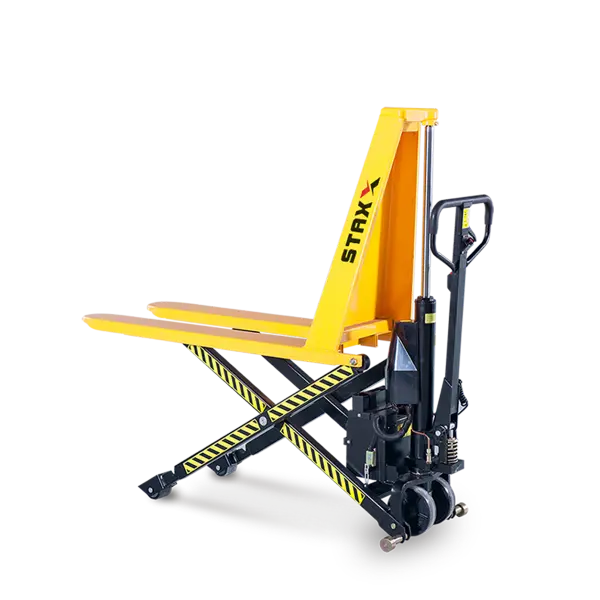 Special Pallet Trucks
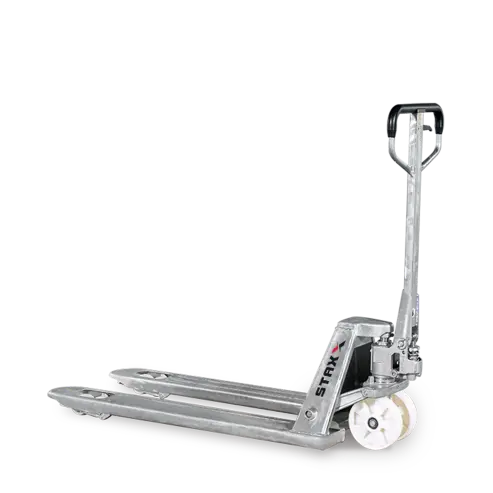 Galvanized and Inox Series
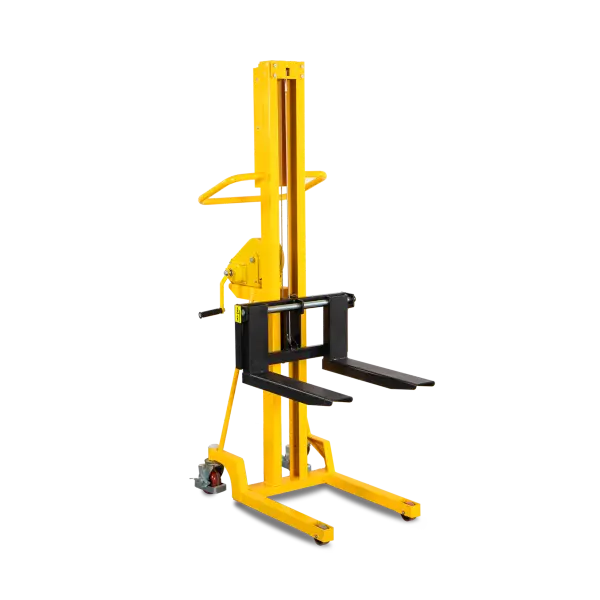 Easy Lift Service
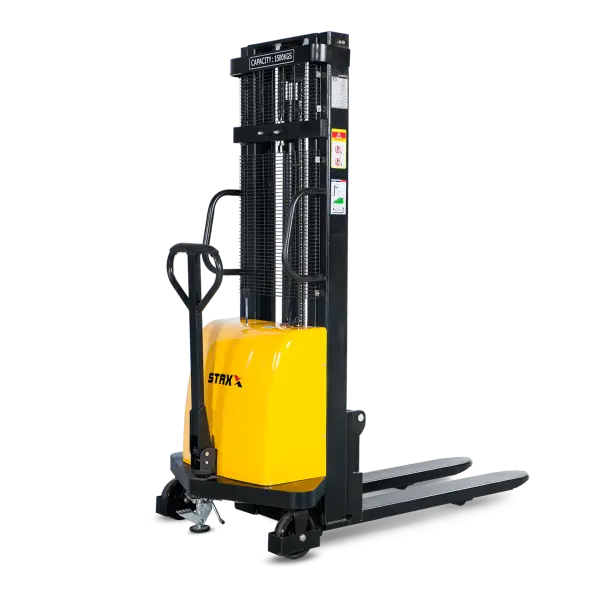 Manual Stackers
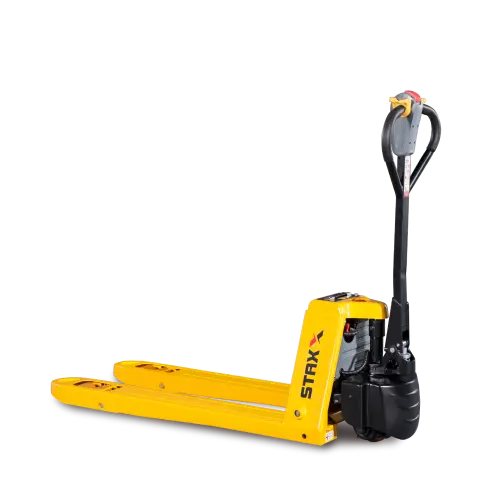 Electric Pallet Truck
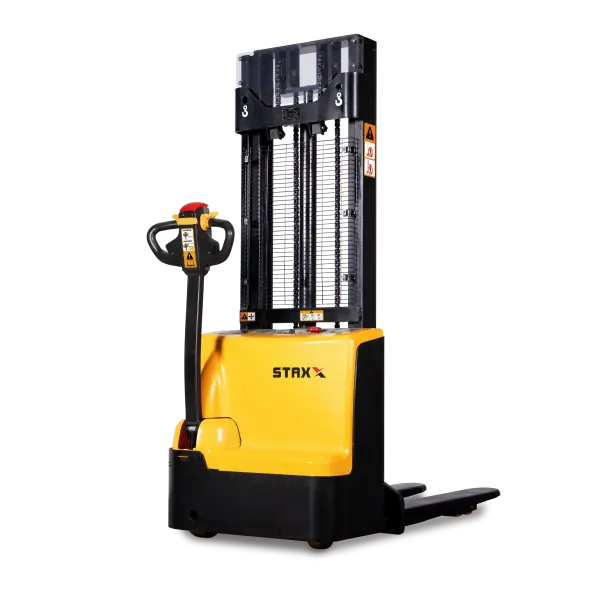 Electric Stackers
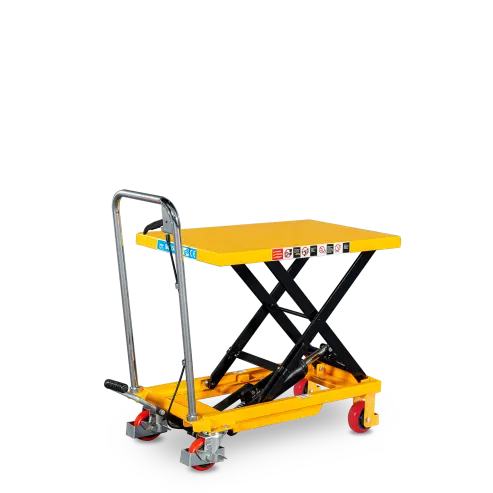 Lift Table
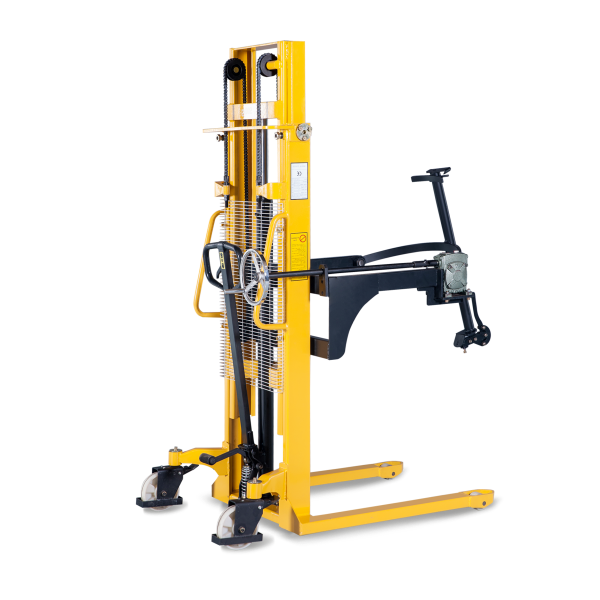 Drum Handling
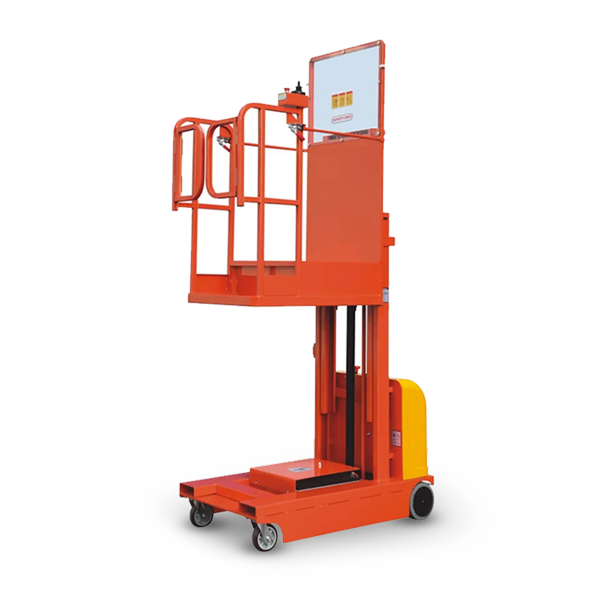 Others