Why Choose a Walking Pallet Jack for Your Warehouse Needs?
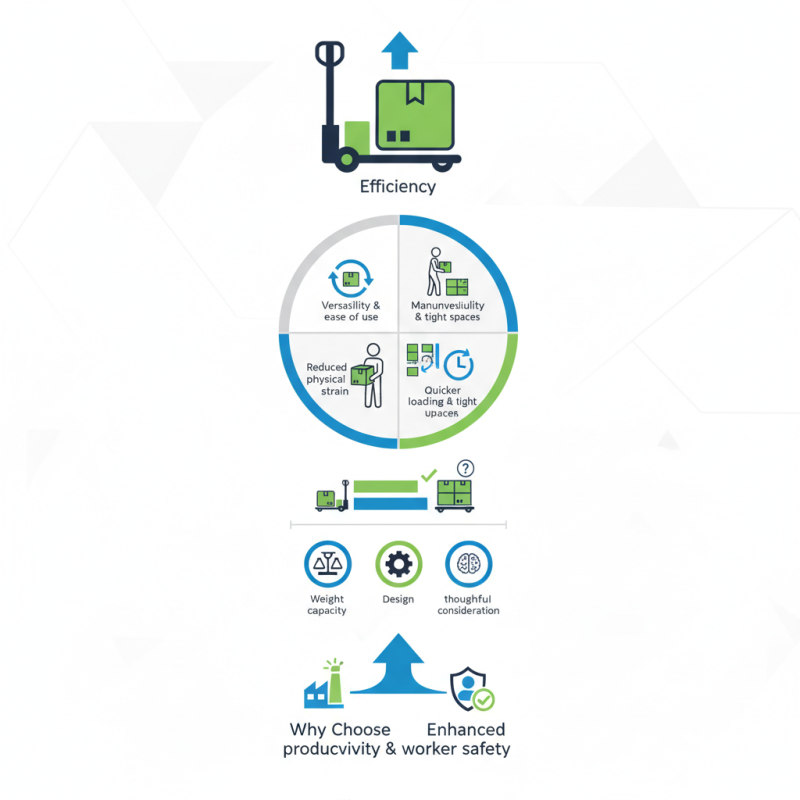
In today's fast-paced warehouse environment, efficiency is crucial. The choice of equipment can make a significant difference. A Walking Pallet Jack stands out for its versatility and ease of use. This tool helps streamline operations, reducing physical strain on workers.
Walking Pallet Jacks are designed for maneuverability. They fit easily in tight spaces. This enables quicker loading and unloading of goods. It’s vital to select the right equipment to avoid bottlenecks. However, not every warehouse may benefit from this option. Sometimes, larger machines are necessary for bigger loads.
A Walking Pallet Jack may seem simple, but it requires thoughtful consideration. Factors like weight capacity and design affect performance. Reflecting on these details can lead to better warehouse management. Ultimately, the right choice can enhance productivity and worker safety.
Benefits of Using a Walking Pallet Jack in Warehousing Operations
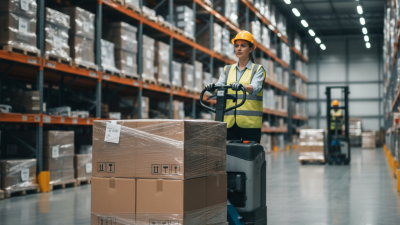
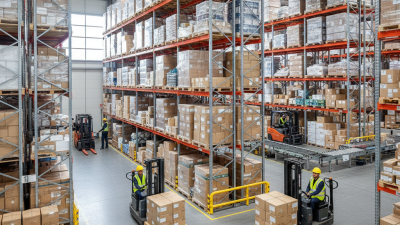
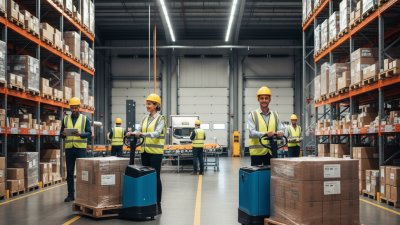
Walking pallet jacks offer significant advantages in warehousing operations. They are designed to move heavy loads efficiently across various surfaces. Their compact size allows maneuverability in tight spaces. Workers can navigate aisles better, minimizing the risk of collisions. This ease of movement can increase productivity levels in any warehouse setting.
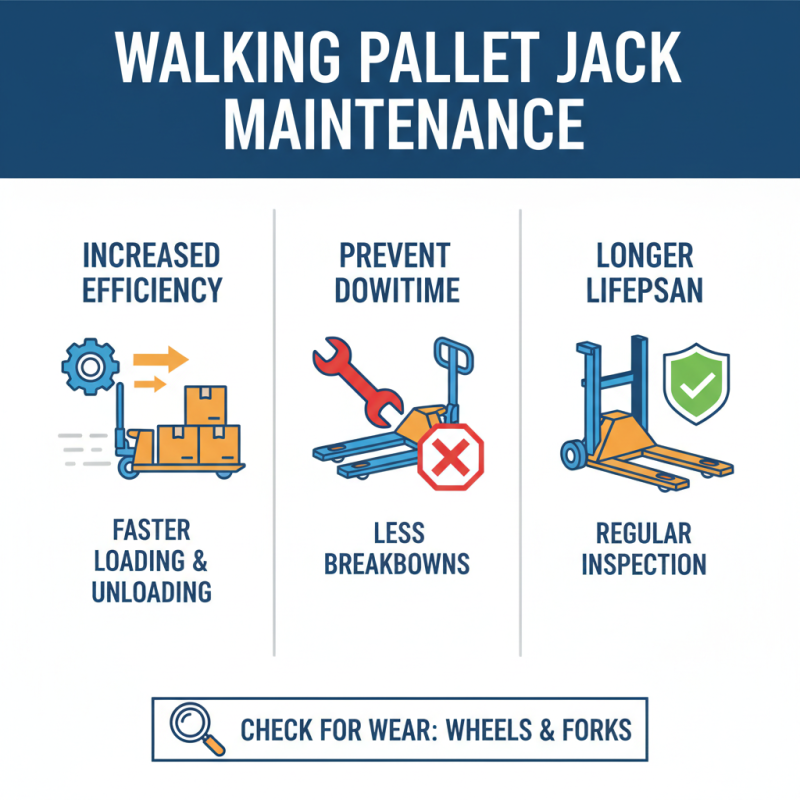
Using a walking pallet jack also enhances safety. Operators can control the speed easily, reducing the chances of accidents. This is crucial when dealing with heavy products. Proper training for staff is essential, though. Improper use can lead to injuries or damages. Regular maintenance checks can help prevent mechanical failures, which could impact workflow.
Additionally, these jacks are cost-effective. Their lower initial investment compared to forklifts makes them appealing. However, they do require some physical exertion from the operators. This aspect can lead to fatigue if not managed. Balancing workload is important to ensure staff well-being. Overall, walking pallet jacks can transform warehouse operations positively if used correctly.
Key Features to Consider When Choosing a Walking Pallet Jack
When selecting a walking pallet jack for your warehouse, there are several key features to keep in mind. Weight capacity is crucial. Ensure the jack can handle your heaviest loads. A model with a capacity of 2,500 to 5,500 pounds is generally ideal for most warehouses.
Another important feature is the fork length. Standard lengths range from 48 to 60 inches. This affects how efficiently you can move pallets. Additionally, consider the turning radius. A compact design is great for tight spaces. Look for models that allow for easy maneuvering.
Don’t overlook the wheels. Swivel wheels enhance mobility on smooth floors. On rough surfaces, choose a jack with larger wheels for better stability. Safety features, like a reliable braking system, should not be ignored.
Finally, remember to think about the user interface. Is it comfortable and easy to operate? Poor ergonomics can lead to fatigue. Regularly assess your current equipment’s performance and safety. A walking pallet jack is an investment, and the right choice can significantly improve workflow in your warehouse.
Why Choose a Walking Pallet Jack for Your Warehouse Needs?
| Feature |
Description |
Benefits |
| Ergonomic Design |
Designed to minimize strain on the operator. |
Increases worker comfort and reduces fatigue. |
| Load Capacity |
Typically ranges from 2,200 to 5,500 lbs. |
Accommodates a wide variety of loads. |
| Maneuverability |
Compact design for easy navigation in tight spaces. |
Enhances efficiency in busy warehouse environments. |
| Durability |
Constructed with heavy-duty materials. |
Long lifespan and lower maintenance costs. |
| Safety Features |
Includes safety brakes and anti-slip handles. |
Improves safety and reduces workplace accidents. |
Comparison of Walking Pallet Jacks and Traditional Forklifts
When considering material handling equipment, walking pallet jacks and traditional forklifts are common contenders. Each has its advantages, but walking pallet jacks often shine in tight spaces. According to a report by the Material Handling Industry, facilities can see a 15% increase in efficiency when using walking pallet jacks instead of forklifts in warehouses with limited aisle widths.
Walking pallet jacks are lighter and more compact. They require less room for operation. This can be crucial in busy warehouses where space is at a premium. In contrast, traditional forklifts may need wider aisles to maneuver, leading to traffic jams or safety concerns in crowded environments. Data suggests that walking pallet jacks can operate in aisles as narrow as 6 feet, while forklifts typically require at least 10 feet.
Furthermore, walking pallet jacks are generally less expensive to maintain and operate. They offer better energy efficiency, consuming less power than forklifts for similar tasks. This can result in lower operational costs over time. However, they lack the lifting capacity of traditional forklifts, which can limit their use for heavier loads. Facilities must assess their specific needs carefully. Balancing efficiency with load requirements is essential in making the right choice.
Safety Considerations for Using Walking Pallet Jacks in Warehouses
Using a walking pallet jack in a warehouse can enhance efficiency. However, safety should always be a priority. These machines are generally easy to manage, but improper use can lead to accidents. Operators must be trained on how to handle them properly. Familiarity with the equipment is crucial for avoiding mishaps.
Awareness of surroundings is essential. Warehouse spaces can get crowded, and visibility may be limited. Operators should always check their path before moving. Bumping into other workers or obstacles can cause injuries. It’s vital to maintain a slow speed, especially when turning corners. This caution helps in preventing accidents.
Regular maintenance is also necessary. A poorly maintained jack can malfunction. This could lead to dangerous situations. Check the brakes and wheels regularly. A well-functioning machine ensures a safer workplace. Remember, safety is everyone's responsibility. Encouraging a culture of safety among all employees is essential.
Warehouse Safety Considerations for Walking Pallet Jacks
This bar chart illustrates the importance rating of various safety considerations when using walking pallet jacks in warehouses. Proper operator training and awareness of load capacity are essential for ensuring safety in the warehouse environment.

 Hand Pallet Trucks
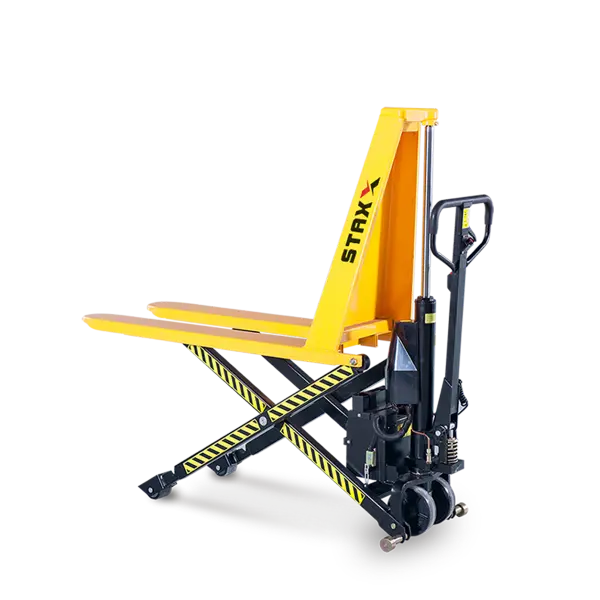 Special Pallet Trucks
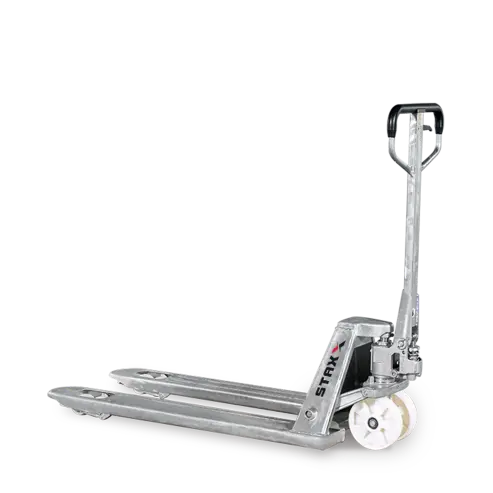 Galvanized and Inox Series
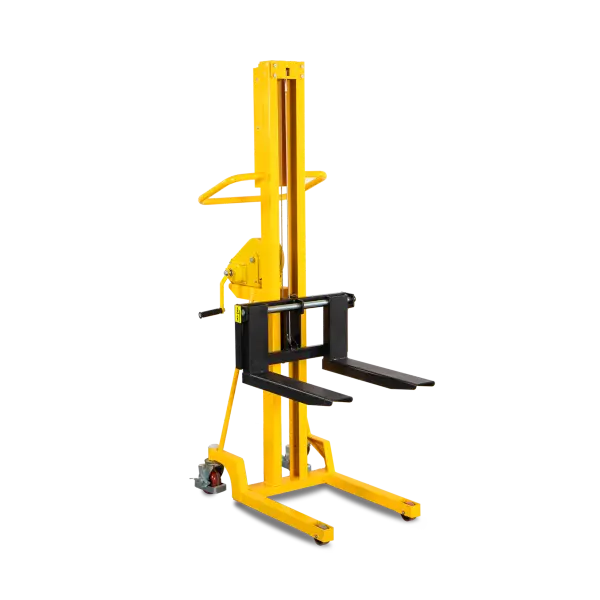 Easy Lift Service
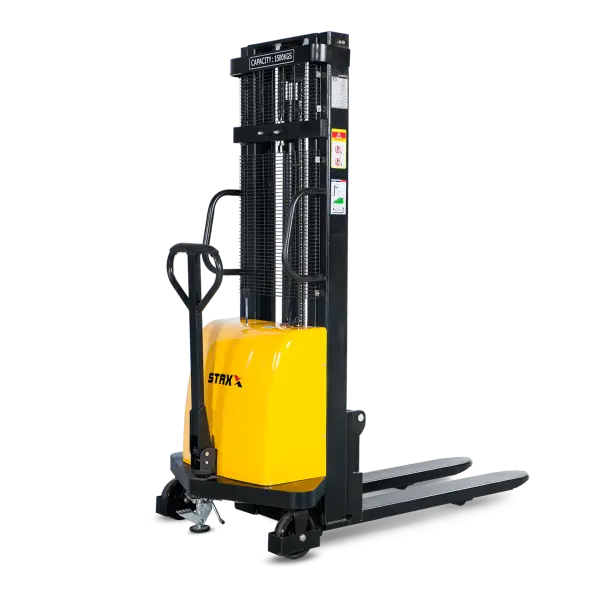 Manual Stackers
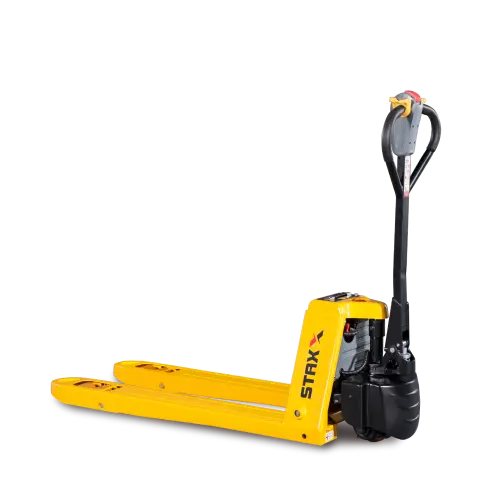 Electric Pallet Truck
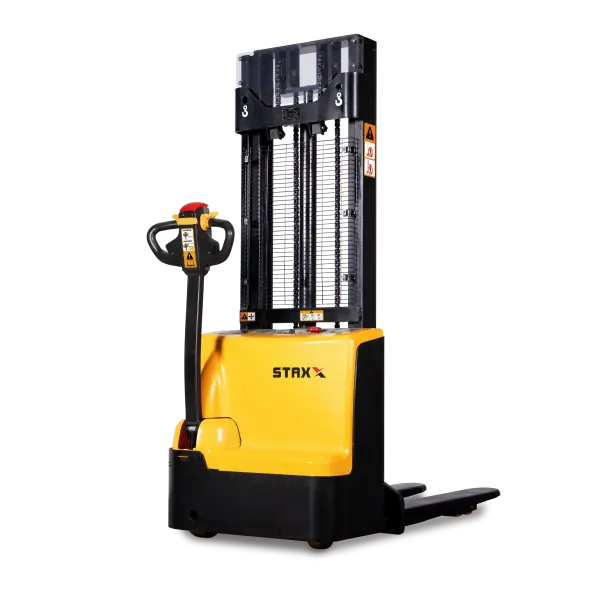 Electric Stackers
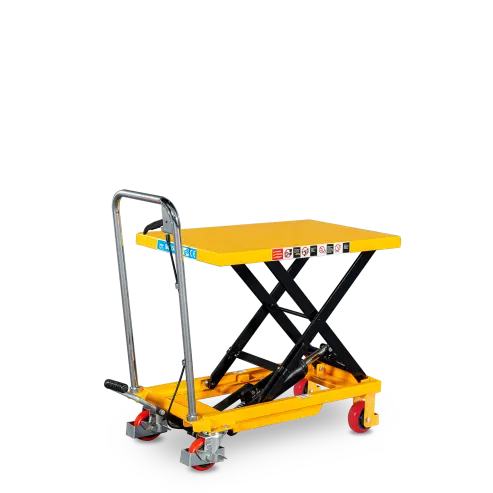 Lift Table
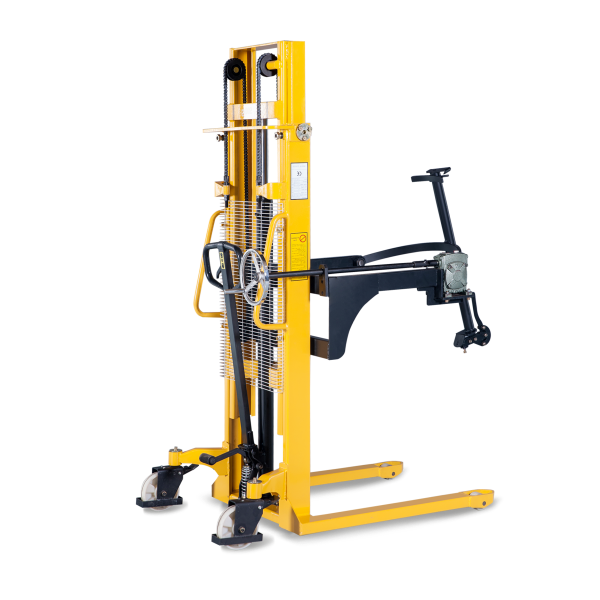 Drum Handling
 Others