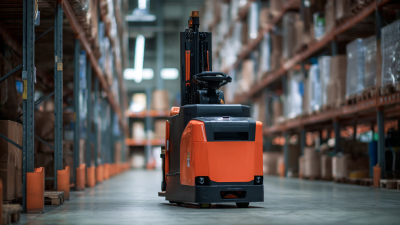
Top Digital Trends in 2025 Walking Pallet Jack Innovations and Applications
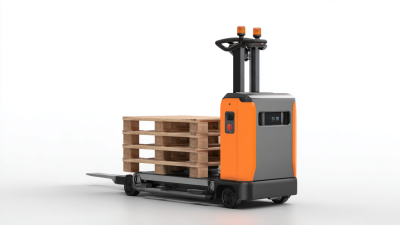
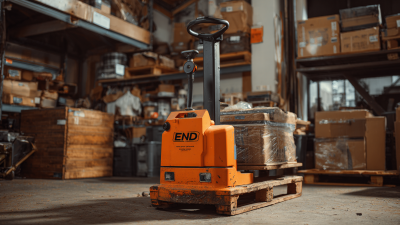
The logistics and warehousing industry is continuously evolving, with technologies reshaping operational efficiencies and productivity standards. Among these innovations, the "Walking Pallet Jack" has emerged as a pivotal tool in material handling. As reported by the Material Handling Industry of America (MHIA), the demand for such equipment is expected to grow by 6% annually through 2025. This trend is driven not only by the increasing complexity of supply chain management but also by the need for safer and more ergonomic solutions in warehouse environments.

In 2025, the Walking Pallet Jack will likely see enhancements in automation and digital integration, making it a vital component in smart warehousing. According to a report by Mordor Intelligence, the global pallet jack market is projected to reach $5.2 billion by 2025, with walking pallet jacks contributing significantly to this growth. These innovations will focus on improving efficiency in loading and unloading processes, enhancing user safety, and reducing operational costs.
Moreover, the incorporation of IoT capabilities is set to revolutionize how walking pallet jacks are utilized, allowing for real-time tracking and data analysis. As businesses strive to optimize their logistics operations, the adoption of advanced walking pallet jack technologies will not only streamline workflows but also drive productivity to new heights.
Emerging Technologies Shaping Walking Pallet Jack Designs in 2025
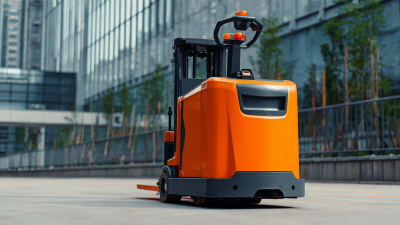
In 2025, the design of walking pallet jacks is poised for remarkable transformation, driven by emerging technologies that prioritize efficiency and safety.
Advanced robotics will play a pivotal role, allowing these devices to navigate complex warehouse environments autonomously.
Enhanced sensors and artificial intelligence systems will enable walking pallet jacks to recognize obstacles and optimize routes in real-time, drastically reducing the risk of accidents and improving operational throughput.
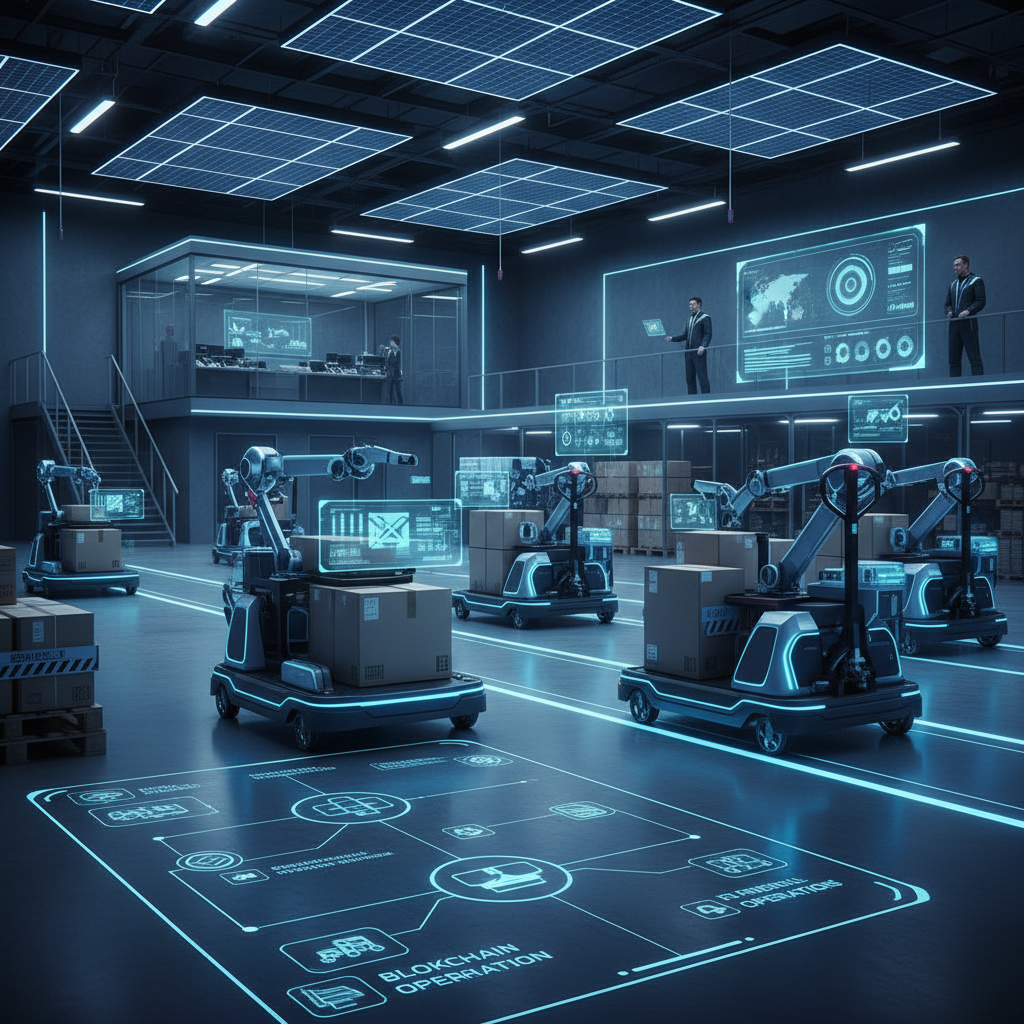
Moreover, the integration of IoT (Internet of Things) technology will facilitate smarter inventory management.
Walking pallet jacks equipped with IoT sensors will provide real-time data on load weight, battery status, and maintenance needs.
This connectivity will empower warehouse managers with actionable insights, enabling proactive decision-making and minimizing downtime.
As businesses aim for operational excellence, these innovations will ensure that walking pallet jacks become indispensable assets in modern logistics and supply chain management.
Integration of IoT in Walking Pallet Jacks for Enhanced Tracking
The integration of Internet of Things (IoT) technology into walking pallet jacks is set to revolutionize warehouse operations by enhancing tracking capabilities and operational efficiency. According to a report by Grand View Research, the global IoT in logistics market is expected to reach $90.78 billion by 2025, indicating a growing trend towards automation and real-time monitoring across supply chains. Walking pallet jacks equipped with IoT sensors can provide valuable data insights, facilitating better inventory management and reducing operational downtime.

Furthermore, the implementation of IoT in these pallet jacks allows for improved asset utilization and workforce productivity. A study from Transparency Market Research highlights that systems equipped with IoT technology can increase operational efficiency by up to 30%. By continuously monitoring the status and location of pallet jacks, businesses can make informed decisions regarding equipment allocation and routine maintenance, ultimately leading to reduced costs and enhanced service delivery. This evolution not only boosts logistics performance but also aligns with the increasing demand for smart warehouse solutions in an ever-competitive market.
Environmental Sustainability Trends in Material Handling Equipment
As we move towards 2025, the emphasis on environmental sustainability in material handling equipment is shaping innovations in the industry. Companies are increasingly adopting eco-friendly practices, seeking to minimize their carbon footprint while enhancing operational efficiency. Walking pallet jacks, for instance, are being designed with energy-efficient systems and lighter materials that reduce energy consumption and emissions during transportation.
Tips: When selecting material handling equipment, look for models that utilize renewable energy sources or are designed for easy recycling. This not only helps the environment but can also lead to long-term cost savings for your business.
Moreover, smart technology is playing a pivotal role in these innovations. IoT-enabled walking pallet jacks can monitor energy consumption in real-time, allowing businesses to optimize usage patterns and identify further opportunities for sustainability. Embracing these advancements not only meets regulatory requirements but also aligns with the values of increasingly eco-conscious consumers.
Tips: Stay informed about the latest trends in sustainable technology and consider partnerships with manufacturers committed to eco-friendly practices. This collaboration can enhance your reputation and contribute positively to the environment.
User-Centric Features Revolutionizing Walking Pallet Jack Usability
The evolution of walking pallet jacks is increasingly reflecting a user-centric approach, prioritizing usability as a key driver for innovation. As industries adopt more sophisticated technologies, features such as ergonomic designs, intuitive controls, and smart connectivity are redefining how operators interact with these essential tools. The incorporation of real-time data analytics enables users to monitor performance and efficiency, thus enhancing overall operational productivity.
Tips for enhancing usability in walking pallet jacks include incorporating adjustable height handles to accommodate a range of operator preferences, as well as implementing automated safety features that alert users to potential hazards. Additionally, integrating easy-to-read displays can simplify interaction and reduce the learning curve for new operators, ultimately leading to a more streamlined workflow.
Furthermore, as the applications of walking pallet jacks expand across various sectors, it's vital to continually gather user feedback to refine designs. Companies that invest in understanding the user experience during the development phase can create more effective solutions that truly meet the needs of operators, ensuring that innovations in this space remain both functional and user-friendly.
Safety Innovations: Reducing Risks in Warehouse Operations with Smart Jacks
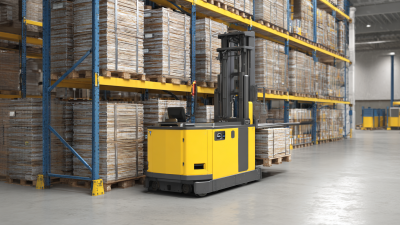
As warehouses increasingly adopt advanced technology, the integration of smart walking pallet jacks is revolutionizing safety protocols in material handling. According to a report by the Occupational Safety and Health Administration (OSHA), over 20,000 warehouse worker injuries occur annually due to improper lifting or handling practices. However, safety innovations in smart pallet jacks can significantly mitigate these risks through features such as collision detection, automated braking, and load sensing technology. These systems are designed to alert operators of potential hazards, thereby creating a safer work environment.
Moreover, market research from Grand View Research indicates that the smart pallet jack market is expected to grow at a compound annual growth rate (CAGR) of 8.5% from 2023 to 2030. With this growth comes a heightened focus on safety innovations. Enhanced ergonomics and user-friendly interfaces are making it easier for operators to maneuver equipment while minimizing physical strain. Additionally, integrating IoT technology allows for real-time monitoring of equipment performance, enabling predictive maintenance to further reduce the chances of accidents. By prioritizing smart innovations, warehouses can not only boost productivity but also foster a culture of safety among their workforce.
Top Digital Trends in 2025: Innovations in Walking Pallet Jack Safety
This chart illustrates the anticipated adoption rates of various safety innovations in walking pallet jacks by 2025. The significant advancements in smart technology aim to enhance warehouse operations and reduce risks effectively.

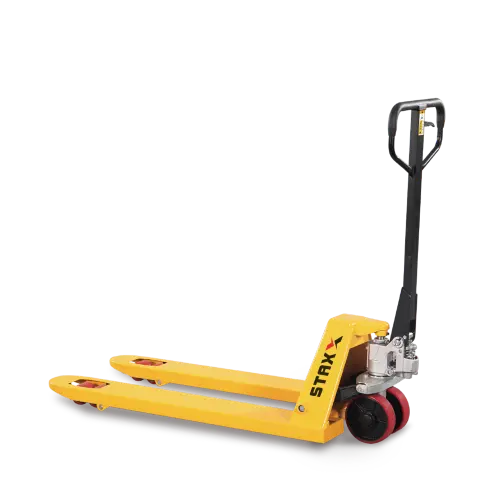 Hand Pallet Trucks
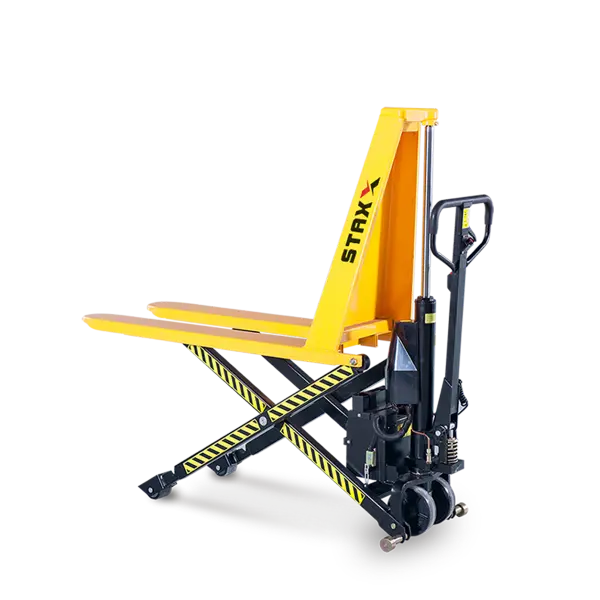 Special Pallet Trucks
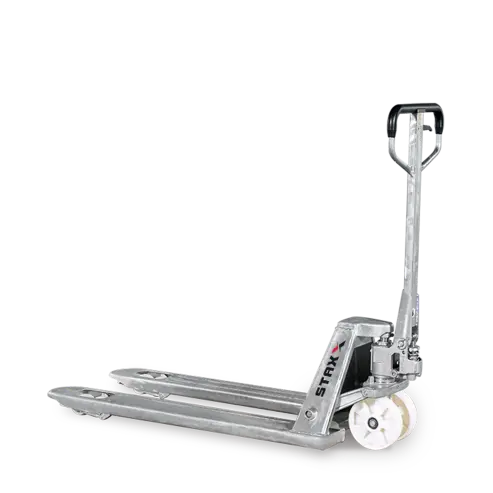 Galvanized and Inox Series
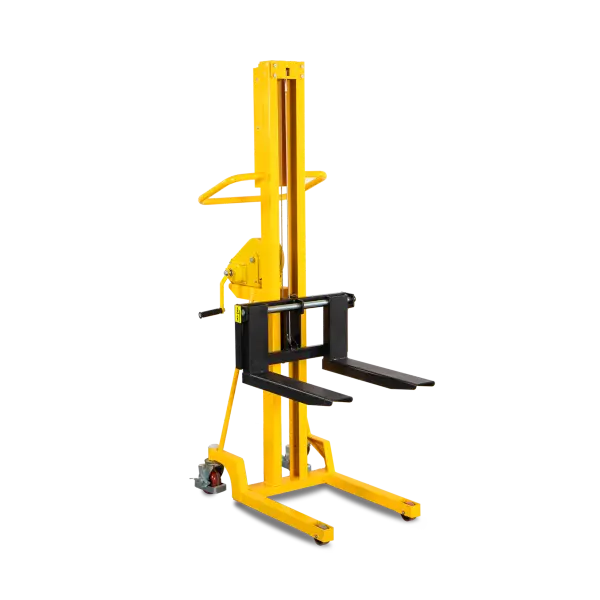 Easy Lift Service
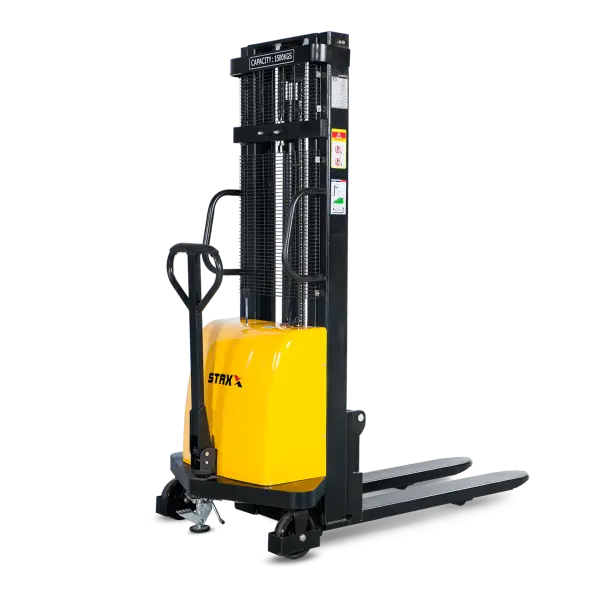 Manual Stackers
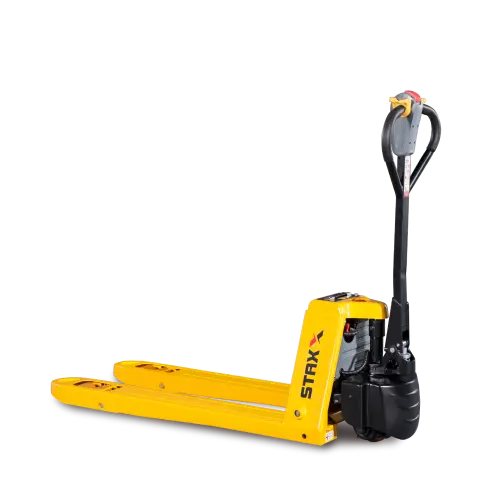 Electric Pallet Truck
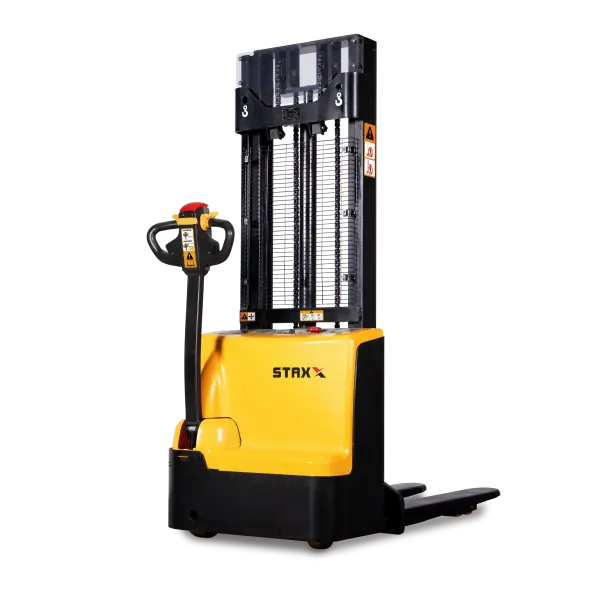 Electric Stackers
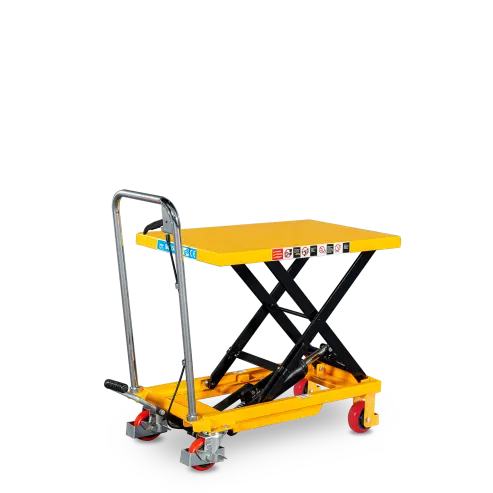 Lift Table
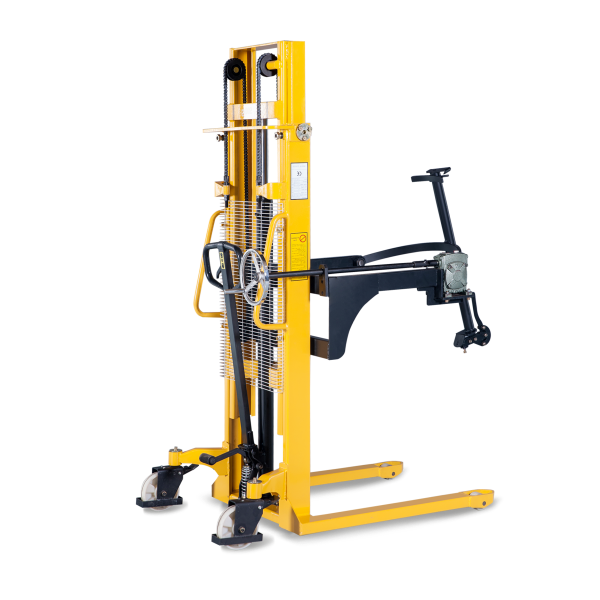 Drum Handling
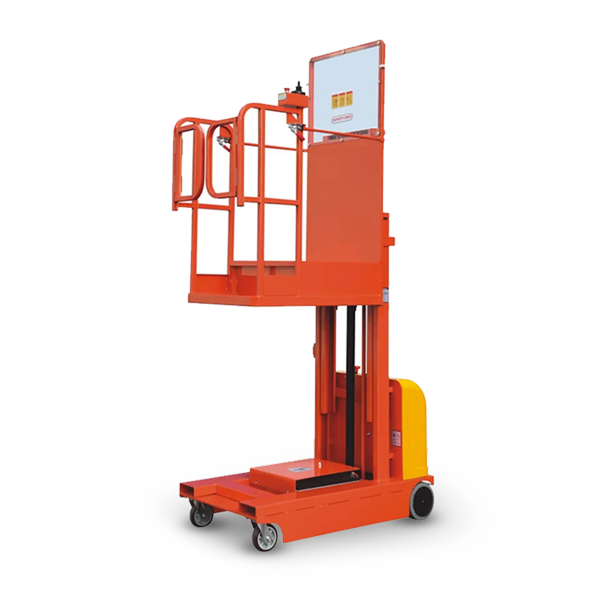 Others