Top 10 Drivable Pallet Jack Tips for Efficient Warehouse Handling?
In the fast-paced world of warehousing, using a Drivable Pallet Jack efficiently can make a significant difference. Industry expert John Dawson once said, "Mastering the Drivable Pallet Jack is key to streamlining warehouse operations." This statement reflects the growing importance of these machines in modern logistics.
Drivable Pallet Jacks save time and reduce manual labor. However, many operators overlook simple tips that enhance performance. For instance, understanding the weight limits is crucial. Misjudging loads can lead to accidents or equipment damage. It’s not just about speed; it’s about safety and efficiency.
Many warehouse workers face challenges with their Drivable Pallet Jacks. Common issues arise from improper maneuvering or lack of training. Reflecting on these challenges, it is clear that attention to detail truly matters. Learning to navigate tight spaces or uneven surfaces is vital. It's a reminder that small improvements can have a significant impact on overall efficiency. Proper handling techniques can prevent costly mistakes and make daily operations smoother.

Understanding the Basics of Drivable Pallet Jacks for Warehouse Use
Drivable pallet jacks play a crucial role in warehouse operations. They are designed for transporting heavy loads with ease. Understanding how to use them effectively is key. Operators need to be trained to ensure safety and efficiency. An improperly handled pallet jack can lead to accidents or damage.
When using a drivable pallet jack, it’s essential to assess the layout of the work area. Narrow aisles can be tricky. Take your time to maneuver carefully. Don’t rush through tight spaces. This is where accidents often happen. Also, check the weight capacity. Overloading may cause equipment failure, which could disrupt operations.
Regular maintenance is another area to consider. Operators should inspect the machine before use. Look for worn-out parts or signs of damage. Ignoring these issues can lead to bigger problems later. Reflection on operational practices is vital. Continuous improvement can enhance safety and efficiency over time.
Essential Safety Precautions When Operating Drivable Pallet Jacks
When operating drivable pallet jacks, safety is paramount. Always ensure that the area is clear. Obstacles can lead to accidents. Wear appropriate safety gear, such as gloves and non-slip shoes. This will help you maintain grip and control while handling loads. A momentary lapse in focus can lead to serious injuries.
Before you start, conduct a safety check. Inspect the jack for any signs of wear or malfunction. Ensure that all controls work properly. Familiarize yourself with the weight limits. Overloading can cause tipping or loss of control. Communication is vital in busy environments. Use hand signals to alert coworkers when moving.
Lastly, keep a safe distance from others. Always be aware of your surroundings. Speeding can seem tempting, especially during busy hours. However, it can lead to dangerous situations. Reflect on your habits regularly. Continuous improvement is key to increasing efficiency and safety.
Top 10 Drivable Pallet Jack Tips for Efficient Warehouse Handling
| Tip Number |
Tip |
Description |
Safety Precaution |
| 1 |
Know Your Load |
Ensure the weight and dimensions are within limits. |
Verify load capacity before use. |
| 2 |
Clear Pathway |
Keep aisles and pathways free of obstacles. |
Conduct regular checks of working areas. |
| 3 |
Use Proper Techniques |
Push rather than pull whenever possible. |
Use gloves for better grip. |
| 4 |
Maintain Your Equipment |
Regular inspections and maintenance are essential. |
Check for leaks and wear before operating. |
| 5 |
Plan Your Route |
Choose the most efficient route for carrying loads. |
Avoid tight turns and steep inclines. |
| 6 |
Communicate with Team |
Use hand signals or radios to coordinate actions. |
Ensure everyone is aware of your presence. |
| 7 |
Practice Proper Stacking |
Load items securely to prevent shifting. |
Avoid overloading and unstable stacking. |
| 8 |
Use Safety Gear |
Wear appropriate footwear and protective gear. |
Compliance with safety standards is vital. |
| 9 |
Know Emergency Procedures |
Be familiar with evacuation and emergency shut-offs. |
Regular training on emergency procedures. |
| 10 |
Take Breaks |
Avoid fatigue by resting regularly. |
Fatigue increases the risk of accidents. |
Techniques for Maneuvering Drivable Pallet Jacks in Tight Spaces
Maneuvering drivable pallet jacks in tight spaces can be challenging. It requires careful planning and awareness. Before moving, survey the area. Look for obstacles, including shelves or other equipment. A clear path ensures smooth navigation.
Use minimal turns when possible. Shifting angles can cause instability. Move slowly, especially in narrow aisles. Quick turns often lead to mishaps. Adjust speed according to space. The more congested the area, the slower you should go.
Practicing control is essential. Spend time getting to know the pallet jack’s response. In congested areas, sharp turns can lead to collisions. Be prepared for unexpected situations. Communication with team members can help avoid accidents. Regularly checking for blind spots is crucial. This awareness can improve safety and efficiency dramatically.
Top 10 Drivable Pallet Jack Tips for Efficient Warehouse Handling
Maintaining Your Drivable Pallet Jack for Optimal Performance
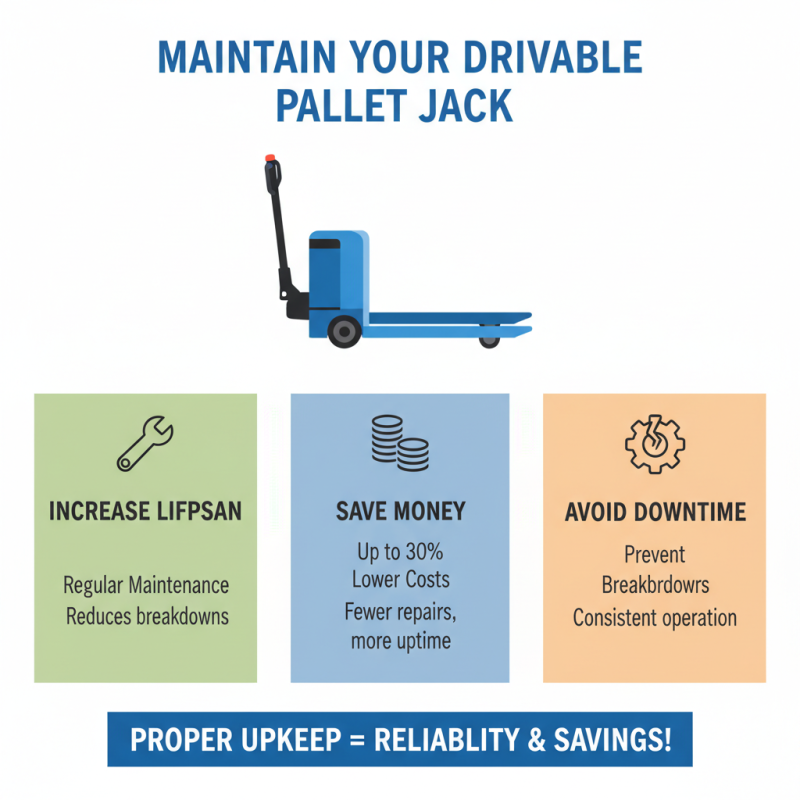
Maintaining your drivable pallet jack is crucial for optimal performance. Regular maintenance can significantly increase its lifespan. According to industry reports, proper upkeep can reduce operating costs by up to 30%. Neglecting maintenance often leads to unexpected breakdowns, resulting in costly downtimes.
One key tip is to clean your pallet jack daily. Dirt and debris can hinder functioning. Use a damp cloth to wipe down surfaces. Also, pay attention to the wheels and ensure they are free from obstruction. Lubricate moving parts regularly to ensure smooth operation.
Another important aspect is battery care. Charging your battery after each shift prolongs its life. However, don’t overcharge. This can damage battery cells. Regularly inspect battery connections for corrosion. The data shows that good battery maintenance can enhance efficiency by 20%.
Ignoring these maintenance tips can lead to performance issues. It’s essential to reflect on your maintenance habits. Small, consistent efforts can yield significant results. Prioritize maintenance for better efficiency in handling.
Tips for Efficient Load Handling and Weight Distribution with Pallet Jacks
Efficient load handling with pallet jacks hinges on proper weight distribution. Overloading a pallet jack can lead to accidents and inefficiencies. According to industry reports, nearly 20% of warehouse injuries stem from improper lifting techniques. Balancing loads correctly is crucial for safety.
When using a pallet jack, center the load evenly. This placement minimizes strain on the equipment and improves maneuverability. It's advised to keep the heaviest items at the bottom. This lowers the center of gravity and reduces the risk of tipping. Data show that loads poorly distributed can decrease operational efficiency by up to 30%.
Consider the type of surfaces you navigate. Uneven floors increase the chance of accidents. Maintain a slow speed when turning, especially with heavier loads. Gain awareness of the equipment’s capabilities, and be mindful of its limitations. Training operators on these aspects is essential, yet often overlooked. Continuous reflection on these practices could lead to safer and more efficient operations.

 Hand Pallet Trucks
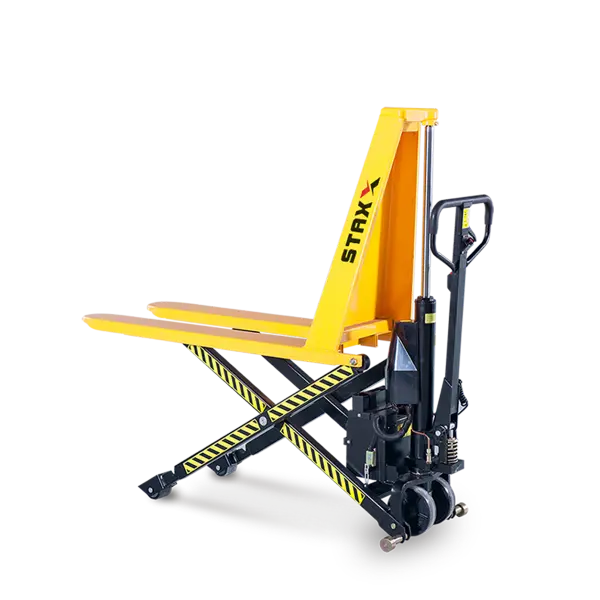 Special Pallet Trucks
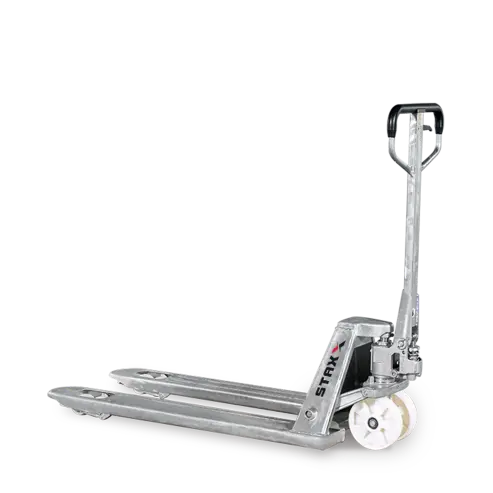 Galvanized and Inox Series
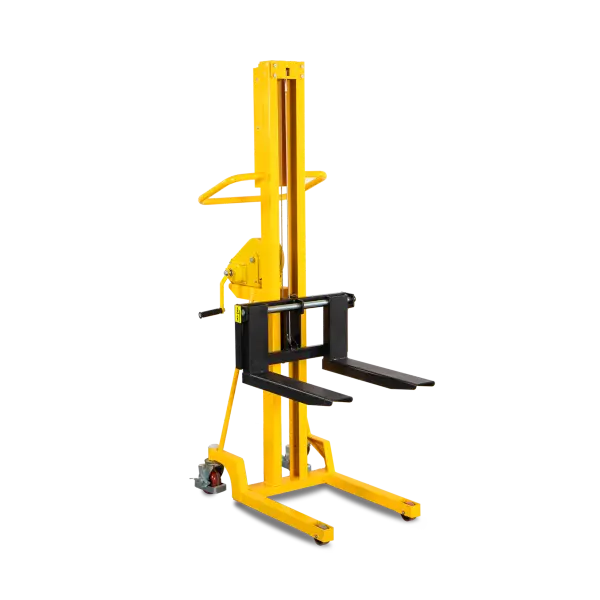 Easy Lift Service
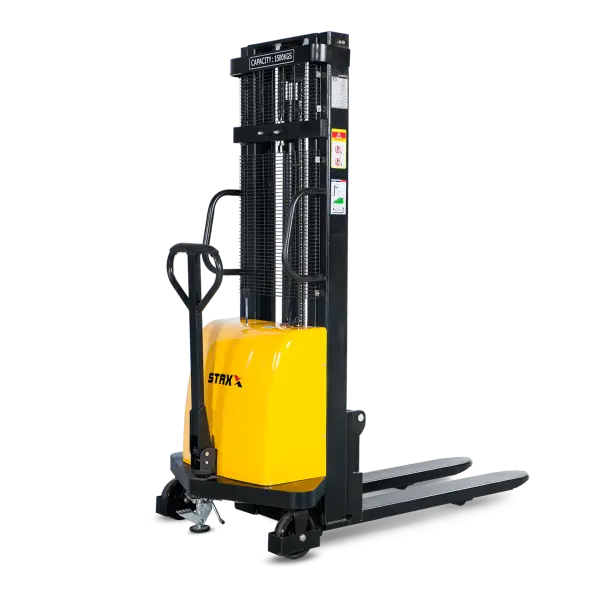 Manual Stackers
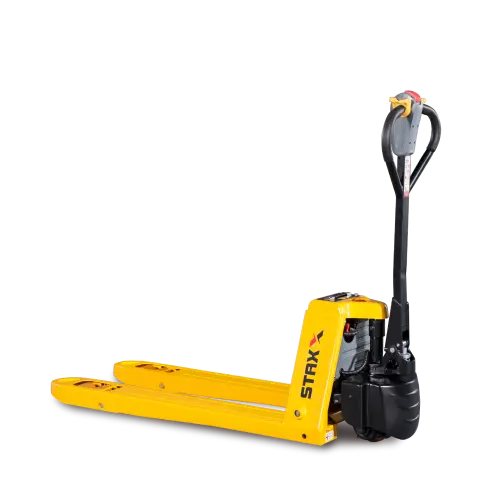 Electric Pallet Truck
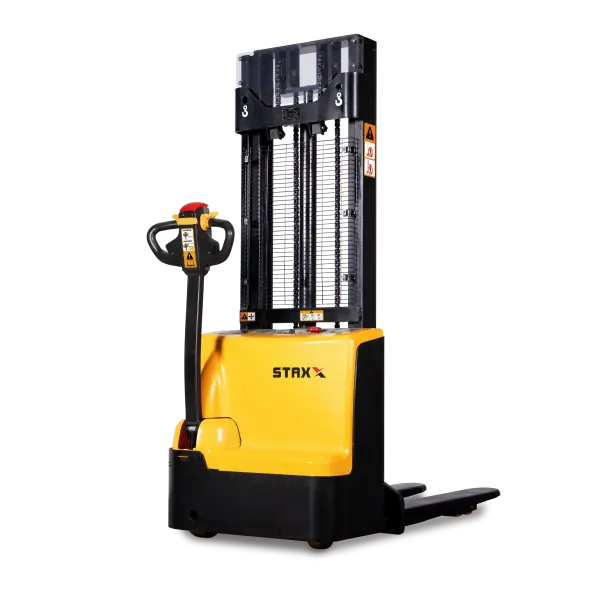 Electric Stackers
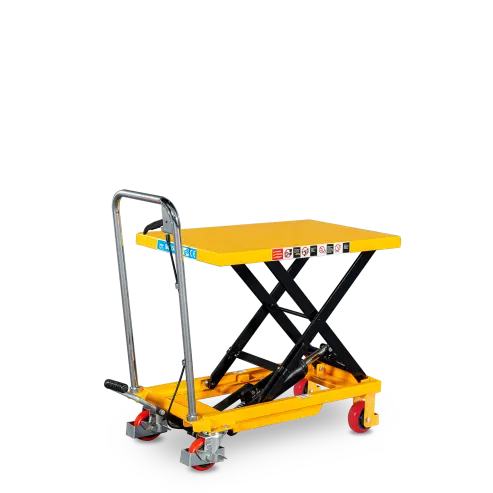 Lift Table
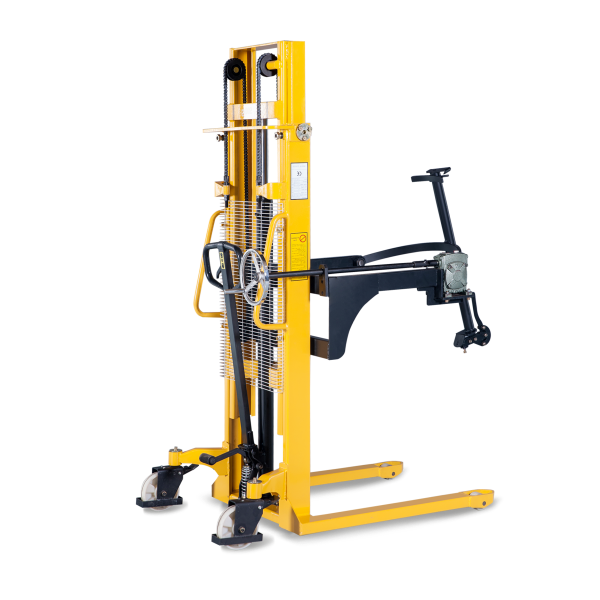 Drum Handling
 Others