Essential Tips for Using a Manual Pallet Jack Effectively?
Using a Manual Pallet Jack can significantly enhance warehouse efficiency. This tool is essential for moving heavy pallets with ease. However, many users overlook its proper handling techniques. Understanding the nuances of a Manual Pallet Jack can prevent accidents and increase productivity.
Proper usage starts with familiarizing yourself with the jack’s controls. Many users tend to rush this step, leading to mishaps. It’s crucial to recognize the weight limits and ensure the load is balanced. A staggering 25% of pallet jack accidents stem from improper loading. Pay attention to these details to minimize risks.
Regular maintenance is another crucial aspect. A well-maintained Manual Pallet Jack operates smoothly and lasts longer. Neglecting this can lead to operational failures, making your work environment less efficient. Reflecting on your practices can unveil areas for improvement. Investing time in training and maintenance pays off in the long run.
Understanding the Components of a Manual Pallet Jack
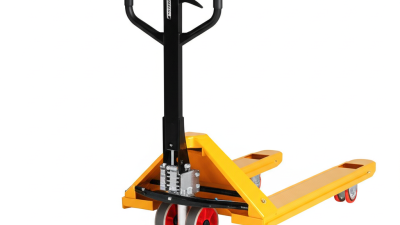
A manual pallet jack is a vital tool in warehouses and retail environments. Understanding its components can enhance efficiency and safety. The main body consists of the fork, which lifts and moves pallets. The forks often come in various widths, allowing for different pallet sizes.
The handle is crucial for steering and lifting. A well-designed handle provides better control and comfort during operation. Look for a handle with ergonomic features.
The wheels also play a significant role. They can be made from different materials. Some wheels are designed for smooth floors, while others work better on rough surfaces.
Regular maintenance is key to keeping a manual pallet jack functional. Check for worn-out parts, like wheels and hydraulics. Don't overlook the importance of proper usage techniques.
Misuse can lead to accidents or equipment failure. Assess the load limits carefully. Overloading can cause instability. It’s vital to reflect regularly on usage practices to improve operations and reduce risks.
Preparing the Area for Safe and Efficient Pallet Jack Usage
When using a manual pallet jack, preparing the area is vital for safety and efficiency. Clear pathways are essential. Remove any obstacles like boxes or debris. This reduces the risk of accidents. Ensure the floor surface is even. Bumps or slants can make handling tricky, leading to potential injuries.
Lighting is also important. Always work in well-lit areas. Poor visibility can make it hard to gauge distances and navigate safely. Make sure to inspect the pallet jack before use. Check that wheels are functioning properly. Ensure that the forks are not damaged. A well-maintained jack enhances safety and performance.
Take a moment to communicate with team members. Inform them about your movements. This can prevent unexpected collisions. Use hand signals or verbal cues. After all, coordination boosts efficiency. Don’t rush the process. Working too quickly can lead to mistakes or injuries. An organized area and clear communication create a safer workspace.
Essential Tips for Using a Manual Pallet Jack Effectively
| Tip |
Description |
Safety Precautions |
Efficiency Techniques |
| Clear Work Area |
Ensure the pathway is free of obstacles. |
Check for spills or debris that could cause accidents. |
Plan the route before moving pallets. |
| Load Distribution |
Evenly distribute weight on the pallet. |
Avoid overloading and ensure stability. |
Adjust load to minimize tipping risk. |
| Proper Handle Height |
Adjust handle to a comfortable height. |
Maintain control of the pallet jack at all times. |
Optimize maneuverability by adjusting handle height. |
| Safe Driving Speed |
Maintain a moderate speed when moving. |
Reduce speed in crowded or narrow areas. |
Speed up only on clear, open pathways. |
| Regular Maintenance |
Conduct periodic checks on the pallet jack. |
Ensure wheels and forks are in good condition. |
Implement a maintenance schedule for reliability. |
Step-by-Step Guide to Operating a Manual Pallet Jack
Operating a manual pallet jack requires a balance of caution and efficiency. Begin by ensuring the pallet jack is in good condition. Check for any visible damage, and make sure the wheels function smoothly. It’s critical to keep your workspace clear to avoid accidents. A cluttered area can lead to unexpected obstacles.
When lifting a load, position the forks under the pallet completely. Ensure the weight is evenly distributed. When you begin to lift, maintain your posture. Keep your back straight and use your legs for leverage. Apply gradual pressure to the handle to raise the forks. Sudden movements can destabilize the load.
As you move, steer the pallet jack cautiously. Control your speed, especially when navigating tight spaces. Always be aware of your surroundings. Look out for other workers and potential hazards. If the load feels unsteady, pause and correct it. Regular practice can enhance your skills, but reflection is key. Each operation should teach you something new. Mistakes can happen, and recognizing them will improve your methods.
Palett Jack Operation Efficiency by Training Level
This bar chart represents the efficiency percentages of using a manual pallet jack based on different training levels. As training level increases, efficiency in operation tends to improve significantly.
Best Practices for Maneuvering in Tight Spaces
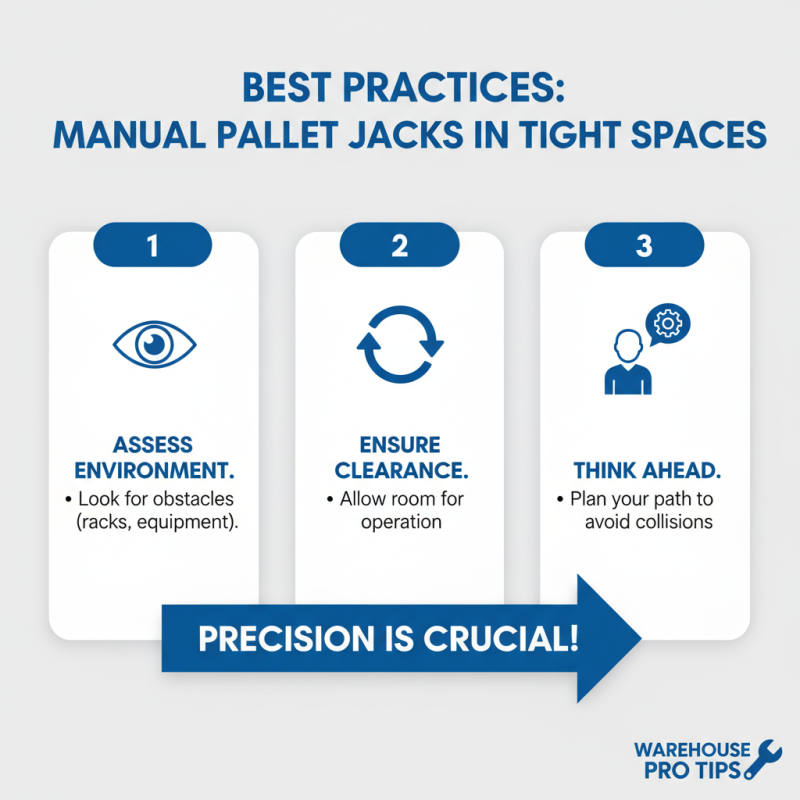
When maneuvering a manual pallet jack in tight spaces, precision is crucial. Start by assessing the environment. Check for obstacles like racks or equipment. Always ensure you have enough room to operate your jack without risk of collision. This may seem simple, yet it’s often overlooked.
To enhance your control, keep the jack low. This lowers the center of gravity and gives better stability. Use short, controlled movements to adjust your position. If the area becomes too cramped, consider backing out and repositioning rather than forcing the jack through. That can cause damage to both the jack and your surroundings.
Communication is also key when navigating tight spaces. If working with a team, signal your intentions clearly. Sometimes, a slight misunderstanding can lead to accidents. Reflecting on these practices helps build better habits. Regular training and feedback sessions can improve overall safety and efficiency.
Maintaining Your Manual Pallet Jack for Longevity and Performance
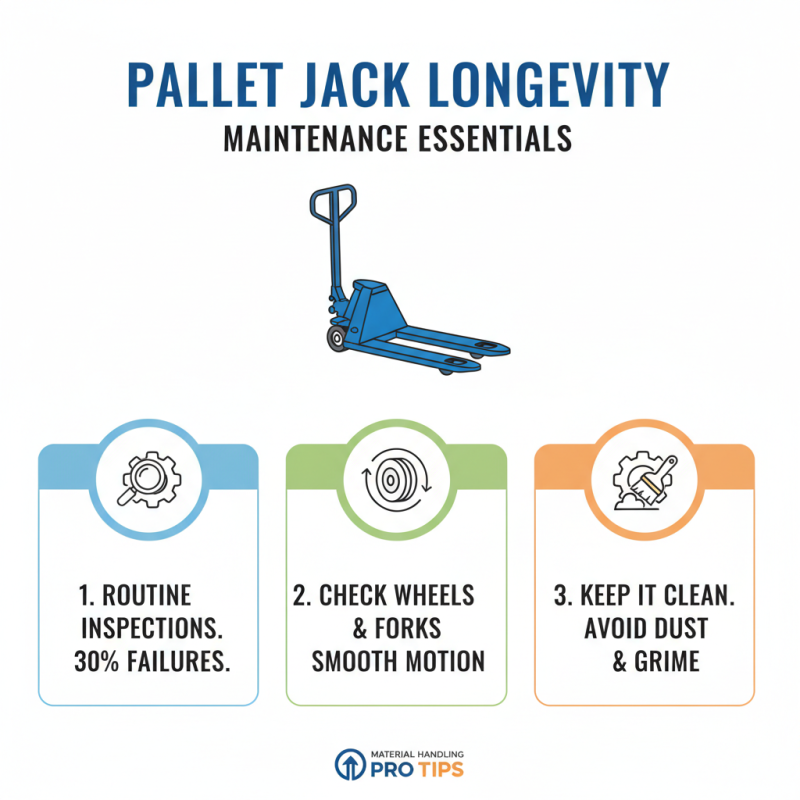
Proper maintenance of your manual pallet jack is crucial for its longevity and performance. Routine inspections can help identify issues before they escalate. According to a report from the Material Handling Industry, about 30% of equipment failures result from insufficient upkeep. Regularly checking the wheels and forks can prevent unnecessary downtime. Ensure that the forks are free of damage and that the wheels rotate smoothly. Dust and grime buildup can affect their function, leading to potential accidents.
Lubrication is another vital aspect. Greasing pivot points ensures smooth operation. The American Society of Mechanical Engineers indicates that proper lubrication can extend the life of equipment by up to 50%. However, many users neglect this step, possibly due to a busy work schedule. It's worth noting that overlooking such maintenance tasks can bring unexpected costs. Scheduling regular maintenance checks can provide greater reliability.
Lastly, be mindful of the load capacity. Overloading a pallet jack can lead to premature wear. The Occupational Safety and Health Administration highlights that improper use accounts for 17% of workplace injuries related to material handling. Always assess the weight limits and ensure safe usage. Regularly review your procedures and adjust as necessary to promote safety and efficiency.

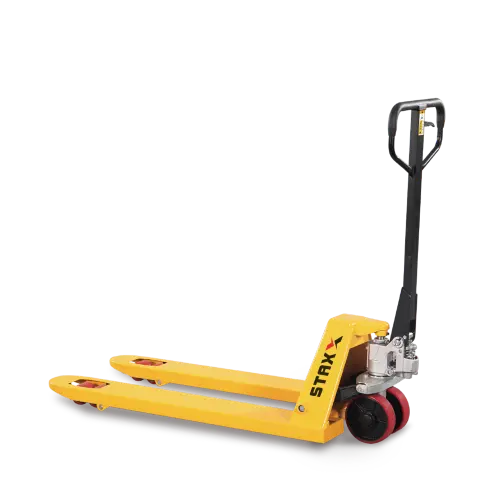 Hand Pallet Trucks
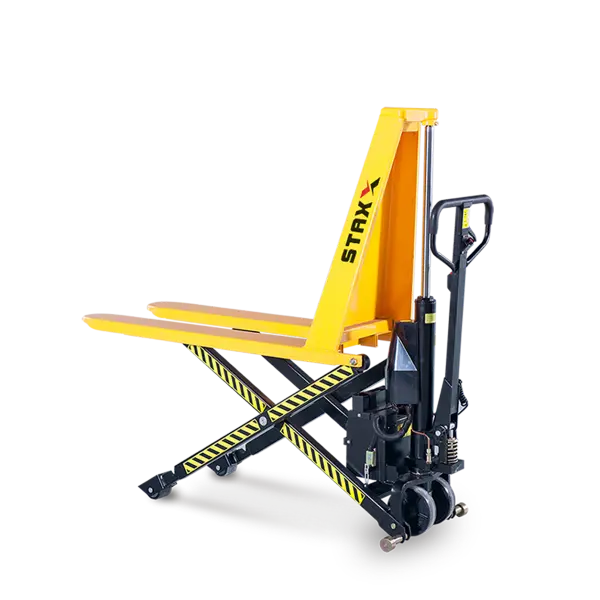 Special Pallet Trucks
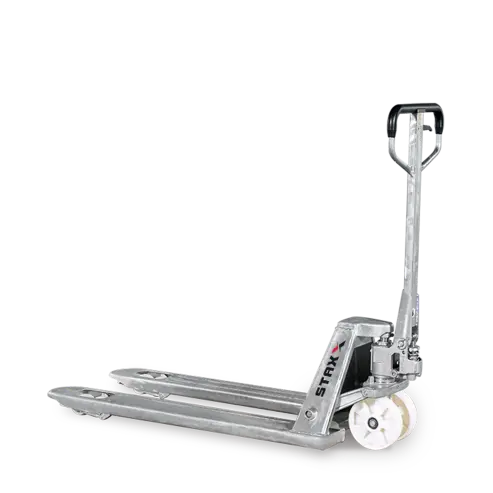 Galvanized and Inox Series
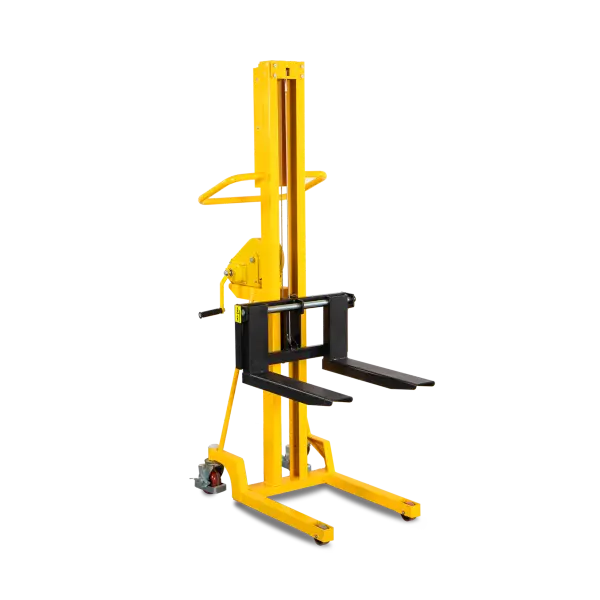 Easy Lift Service
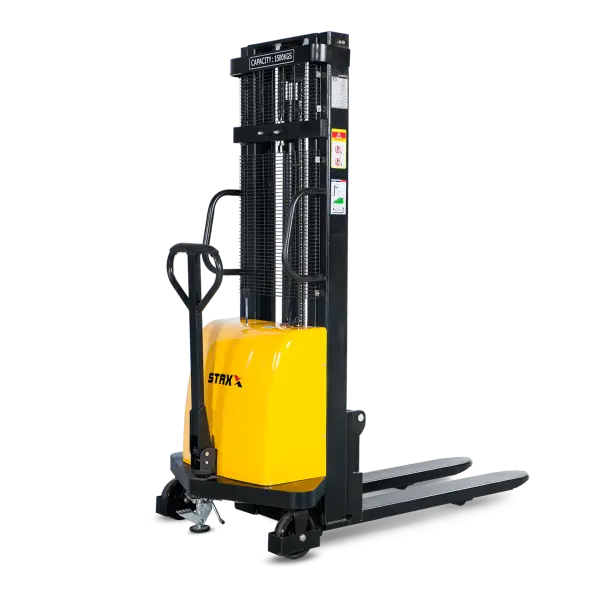 Manual Stackers
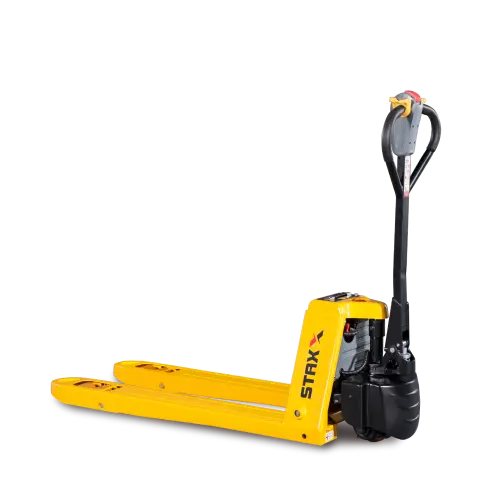 Electric Pallet Truck
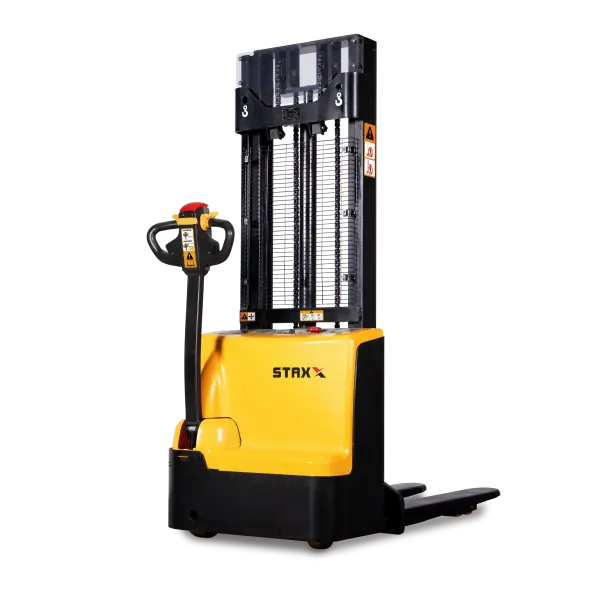 Electric Stackers
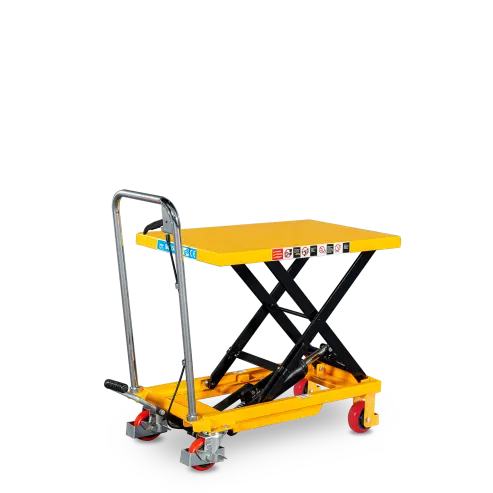 Lift Table
 Drum Handling
 Others