The Ultimate Guide to Choosing the Best Motorised Pallet Jack for Your Needs
Choosing the right equipment for your warehousing and logistics needs can be a daunting task, especially when it comes to selecting a Motorised Pallet Jack. With various options available, understanding their features and functionalities is crucial to optimize efficiency in your operations. According to logistics expert John Smith, "Investing in the right Motorised Pallet Jack can significantly enhance your workflow and reduce employee fatigue." His insights underscore the importance of making an informed choice that aligns with your specific operational demands.
In this guide, we will delve into the essential factors to consider when selecting the best Motorised Pallet Jack for your needs. From load capacity and lift height to battery life and maneuverability, each element plays a vital role in ensuring that you choose a model that not only meets your performance requirements but also contributes to a safer and more productive work environment. By understanding these attributes, you can make a strategic decision that will positively impact your logistics and material handling process.
Understanding Motorised Pallet Jacks: An Overview of Features
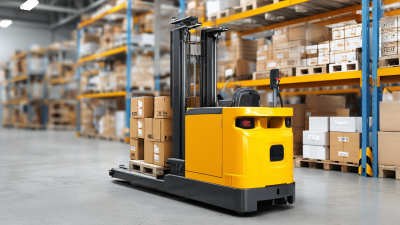
Motorised pallet jacks are indispensable tools in many warehouse and logistics operations, offering efficiency and ease of movement when handling heavy loads. Understanding the key features of these machines helps in selecting the right one for your specific needs. One crucial aspect is the lifting capacity, which generally ranges from 2,500 to 5,000 pounds. Evaluating your typical load requirements ensures that the pallet jack you choose can handle your goods without strain.
Another important feature is the power source. Motorised pallet jacks can be powered by electric batteries or come in manual variants, with each option presenting its own set of benefits. Electric models are ideal for indoor use, providing a quiet operation and requiring less physical effort from the operator. Additionally, factors such as the type of wheels, deck size, and maneuverability play significant roles in determining how well the pallet jack will perform in your specific environment. Ensuring that these features align with your operational demands is key to making a well-informed purchase decision.
Key Factors to Consider When Choosing a Motorised Pallet Jack
When selecting a motorised pallet jack, several key factors should be at the forefront of your decision-making process. First and foremost, consider the lift capacity required for your operations. Different jobs may demand varying weight limits, and ensuring that the pallet jack you choose can handle your maximum load safely is essential. Additionally, the dimensions of the pallet jack, including its width and length, can significantly influence maneuverability in tight spaces.
Assessing the environment where the pallet jack will be used is crucial, especially if you will be operating in narrow aisles or crowded areas.
Another critical factor is the power source of the motorised pallet jack. Most models are powered by electric batteries, which can vary in performance based on factors such as the size of the battery and charging capabilities. It’s important to consider your operational needs, including how long the jack will be in use and how frequently recharging might be necessary. Furthermore, the ease of maintenance and the availability of spare parts can impact the long-term operational costs and efficiency of the equipment. Selecting a model that allows for straightforward servicing can save both time and money in the future.
Different Types of Motorised Pallet Jacks and Their Applications
When selecting a motorised pallet jack, understanding the different types and their specific applications is vital for optimizing efficiency in warehouse operations. Motorised pallet jacks generally fall into three primary categories: walk-behind, ride-on, and high-lift models. Each type serves unique operational needs; for instance, walk-behind units are ideal for tight spaces where manoeuvrability is essential, while ride-on jacks are better suited for larger areas, as they allow operators to move quickly between tasks. According to a report by the Material Handling Industry, about 70% of warehouses now utilize some form of motorised pallet jack to streamline material handling and reduce labor costs.
In addition to type, the load capacity is another critical factor to consider. Motorised pallet jacks typically have capacities ranging from 1,500 to 5,500 pounds, catering to various industries, including retail, manufacturing, and logistics. Organizations should assess their daily throughput and the average weight of their loads to determine the appropriate equipment. As reported by Grand View Research, the global electric pallet jack market is projected to expand significantly, driven by the increasing adoption of automation in warehouses and the need for safer material handling solutions. This highlights the growing importance of selecting the right type of motorised pallet jack to match specific operational demands.
Maintenance Tips for Your Motorised Pallet Jack
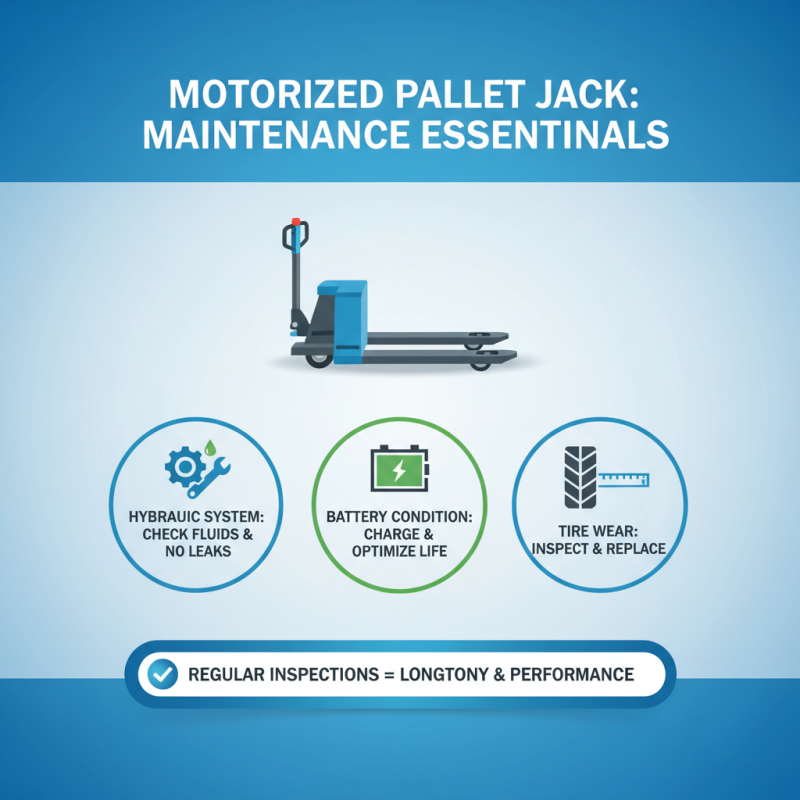
Proper maintenance of your motorised pallet jack is essential for ensuring longevity and optimal performance. Regular inspections should be conducted to check the hydraulic fluid levels, battery condition, and tire wear. Keeping the hydraulic system free from leaks and maintaining it to manufacturer specifications helps avoid costly repairs down the line. Additionally, operators should ensure that the battery is adequately charged to prevent interruptions during operation and prolong the life of the battery.
Another crucial aspect of maintenance is cleaning. Dirt and debris can accumulate on the pallet jack, affecting its functionality and safety. It’s important to wipe down surfaces regularly and ensure that moving parts are free from obstructions. Furthermore, lubricating the necessary components, such as joints and wheels, will minimize friction and enhance operational efficiency. By adhering to a consistent maintenance routine, you can maximize the performance of your motorised pallet jack and reduce the risk of unexpected breakdowns.
Safety Guidelines for Operating Motorised Pallet Jacks
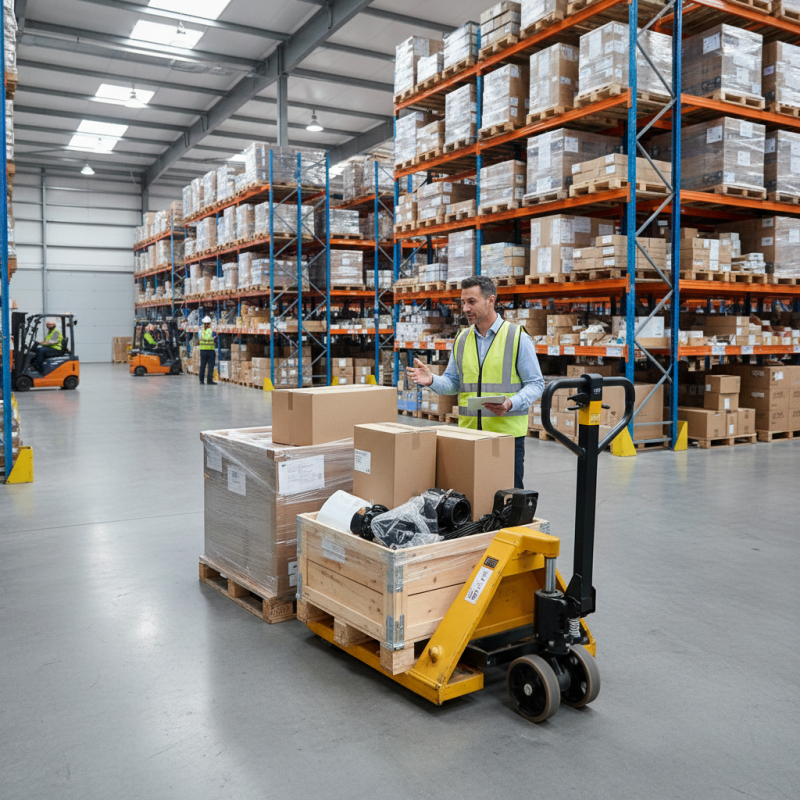
Operating a motorised pallet jack can significantly enhance efficiency in material handling, but safety should always be the top priority. Before using a motorised pallet jack, it is crucial for operators to undergo proper training. This training should cover not only how to operate the equipment effectively but also how to recognize potential hazards in the workplace. Operators should be familiar with the specific features and limitations of their equipment, ensuring they understand how to manage loads safely.
Additionally, operators must adhere to safety guidelines while in operation. This includes performing pre-operation checks to verify that all components are in good working condition. The pallet jack should only be used on stable surfaces, and loads should be securely balanced to prevent tipping. It is essential to maintain clear visibility while driving and to avoid abrupt movements. Wear appropriate personal protective equipment (PPE), such as safety shoes, and ensure that bystanders are at a safe distance. By following these safety guidelines, operators can minimize risks and ensure a smoother, safer workflow.

 Hand Pallet Trucks
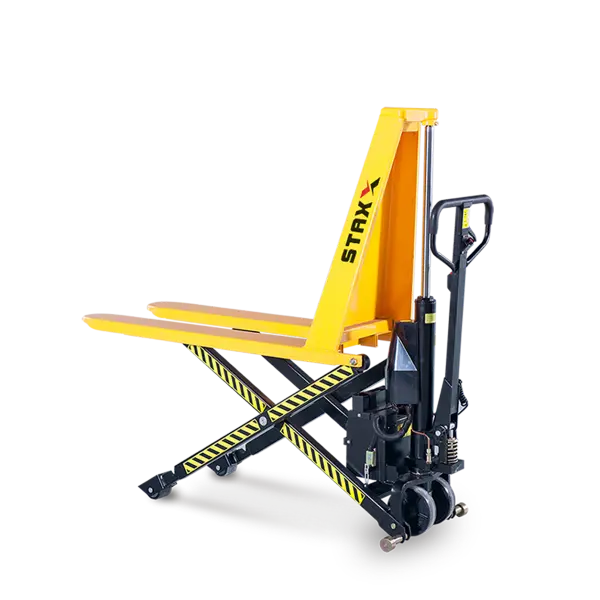 Special Pallet Trucks
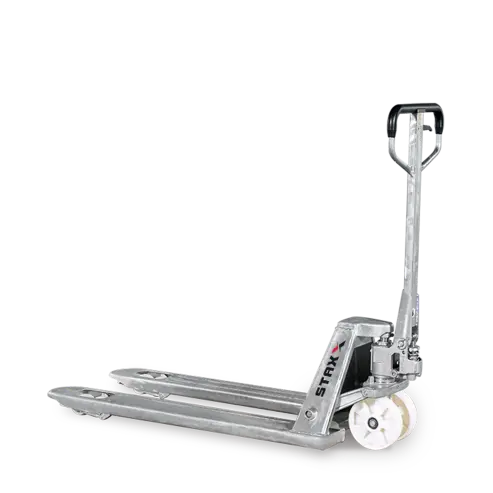 Galvanized and Inox Series
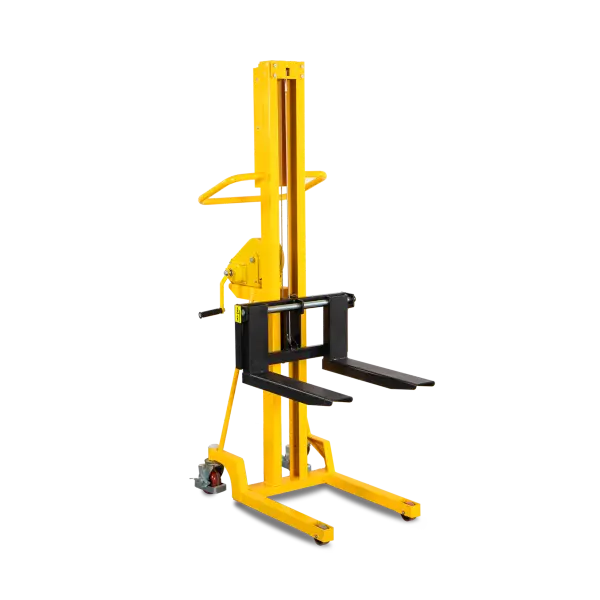 Easy Lift Service
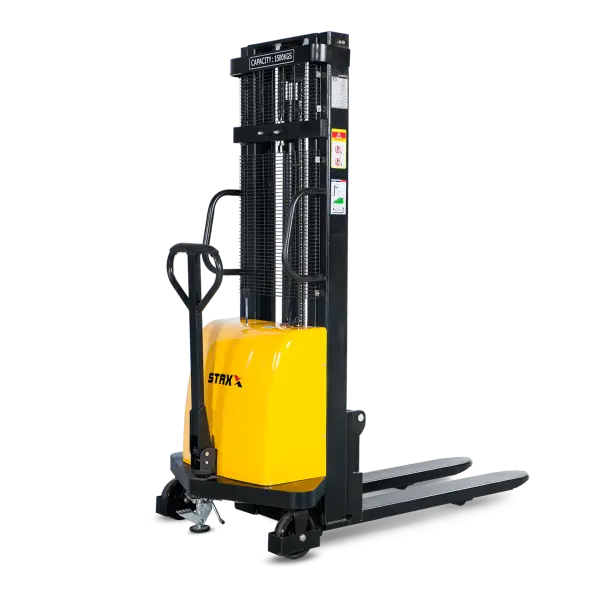 Manual Stackers
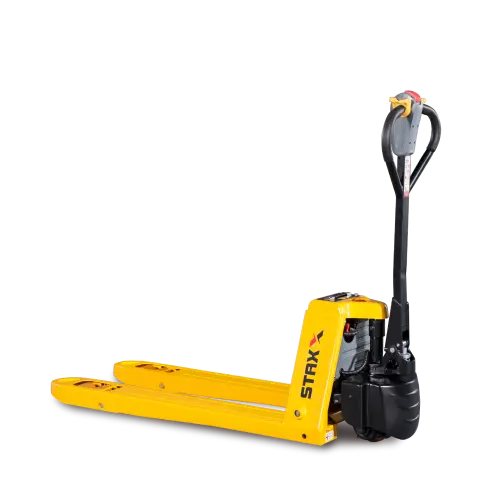 Electric Pallet Truck
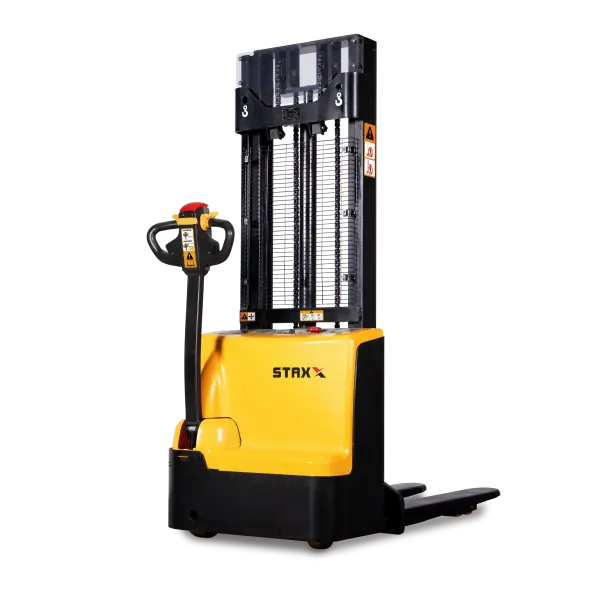 Electric Stackers
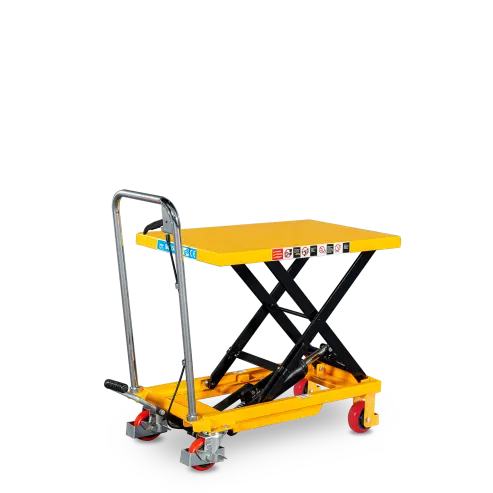 Lift Table
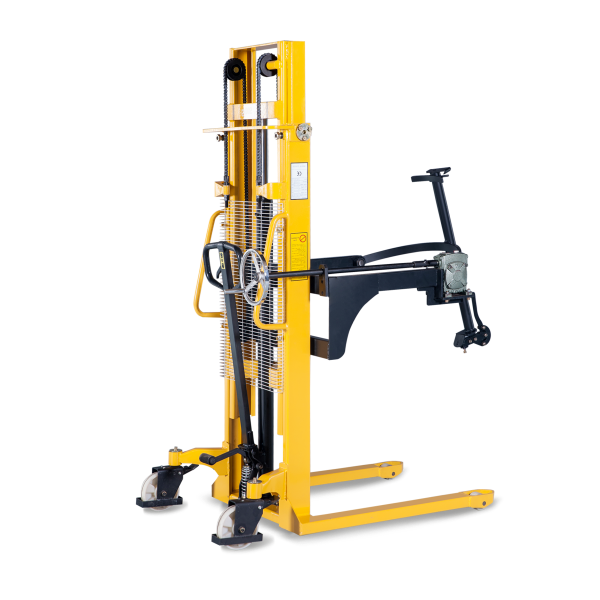 Drum Handling
 Others