Why Choose a Powered Pallet Jack for Your Warehouse Needs?
In the fast-paced environment of warehouses, efficiency is essential. A Powered Pallet Jack can significantly improve your operations. It helps in moving heavy loads smoothly. Its design allows easy maneuverability in tight spaces.
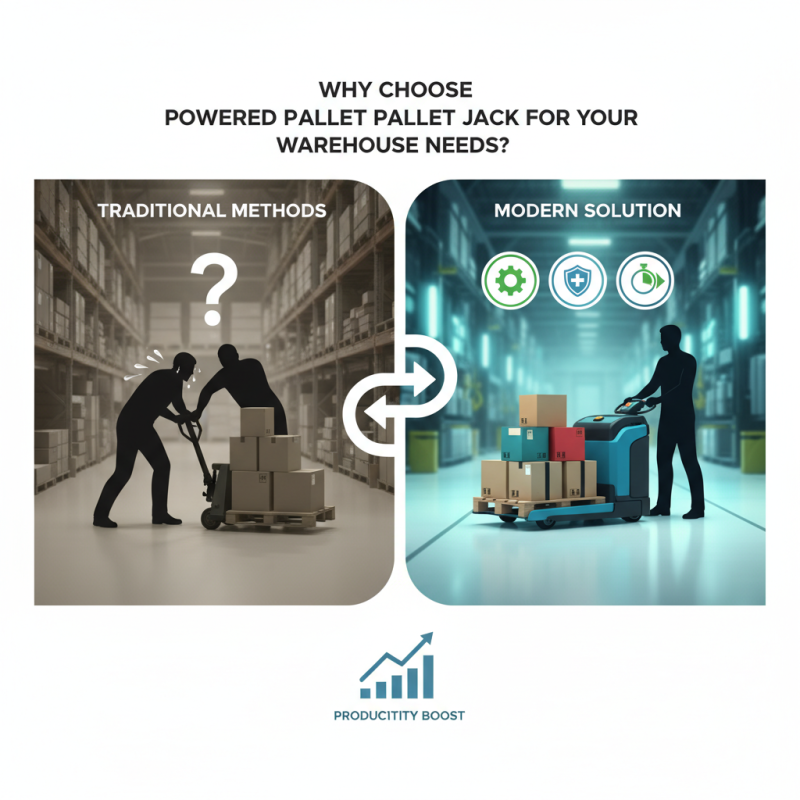
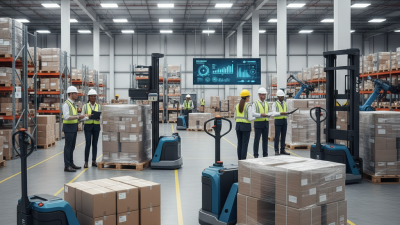
Imagine a busy warehouse with workers rushing to meet deadlines. Manual labor can lead to fatigue and mistakes. In contrast, a Powered Pallet Jack saves time and energy. This equipment minimizes strain on workers. It also fosters a safer workplace.
However, not all businesses consider its advantages. Some still rely on traditional methods. They may have concerns about cost or maintenance. Yet, investing in a Powered Pallet Jack could enhance productivity. Warehouse needs evolve, and it’s worth exploring modern solutions. Sometimes, tradition holds back progress.
Benefits of Using Powered Pallet Jacks in Warehouse Operations
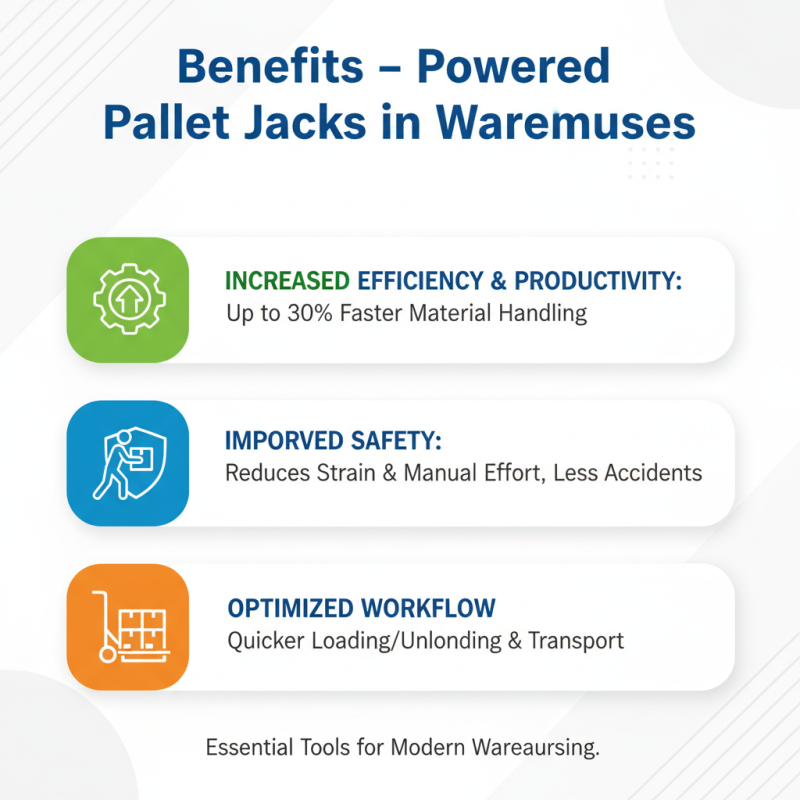
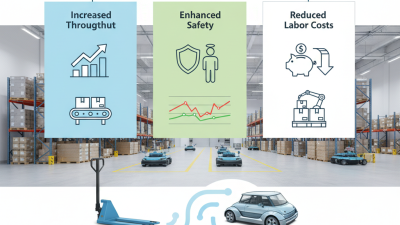
Powered pallet jacks are essential tools in warehouse operations. They offer numerous benefits that can significantly enhance productivity. A recent industry report highlights that using powered pallet jacks can increase efficiency by up to 30%. This is crucial for businesses looking to optimize their workflow.
One of the notable advantages is the reduction in manual labor. Workers experience less fatigue, leading to fewer accidents. According to safety studies, workplaces utilizing powered tools saw a 25% drop in injury rates. This creates a safer environment for employees. It is worth considering whether your current equipment aligns with these benefits.
**Tip:** Regular maintenance of powered pallet jacks can prevent breakdowns. Schedule routine checks to maintain performance.
Moreover, powered pallet jacks are designed to navigate tight spaces. Their compact size allows for better maneuverability in crowded warehouses. However, operators must be trained properly. Without training, there could be misuse.
**Tip:** Invest in operator training programs. Well-trained staff can handle equipment more efficiently.
Choosing powered pallet jacks can transform warehouse operations, but it requires thoughtful implementation. Balancing automation with skilled labor remains vital. Evaluate your current setup carefully and identify areas for improvement.
Key Features to Look for in Powered Pallet Jacks
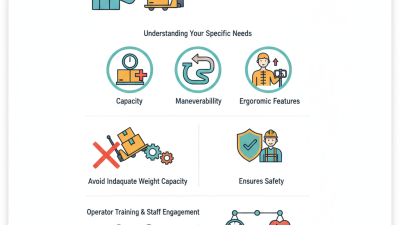
When selecting a powered pallet jack, it's crucial to focus on key features that enhance efficiency and safety. A study by the Material Handling Industry shows that well-chosen powered equipment can increase productivity by up to 25%. Key features include weight capacity, maneuverability, and battery life. A model with a weight capacity of at least 3,000 pounds is ideal for most warehouse tasks, allowing for the quick movement of heavy loads.
Maneuverability is also essential. Narrow aisles and tight spaces require a compact size. A powered pallet jack with a turning radius of less than 56 inches can navigate these environments effectively. Battery life is another consideration. A jack that operates for at least eight hours on a single charge reduces downtime. However, it's worth noting that battery maintenance may be overlooked. Proper care is necessary to maximize lifespan and performance.
User-friendly controls are key to minimizing operator fatigue. Intuitive handles and ergonomic design support longer usage periods. Industry reports indicate that poorly designed equipment can lead to higher injury rates. Therefore, investing in a powered pallet jack that promotes comfort and safety is essential. Don't ignore the importance of training staff on the proper use to prevent accidents.
Comparison of Powered Pallet Jacks vs. Manual Pallet Jacks
Powered pallet jacks significantly improve efficiency in warehouse operations compared to manual jacks. According to a recent industry report, powered jacks can increase productivity by up to 30%. This is crucial in fast-paced environments. Manual pallet jacks require more physical effort, leading to fatigue. Operator fatigue can slow down operations and increase the risk of injuries.
Efficiency is not just about speed; it’s also about safety. A powered pallet jack reduces the physical strain on employees. This can lower the risk of workplace injuries related to lifting and maneuvering heavy loads. Data shows that companies using powered jacks report a 25% decrease in injury-related costs. Safety should always be a priority, not just a checkbox.
**Tip:** When selecting powered pallet jacks, consider the weight capacity and battery life. Choosing the right model can prevent future issues.
**Tip:** Regular maintenance is key. Check the battery and wheels frequently. This will enhance performance and longevity.
Investing in powered pallet jacks may have an upfront cost. However, the long-term savings and productivity gains often outweigh initial expenses.
Comparison of Powered Pallet Jacks vs. Manual Pallet Jacks
Safety Considerations When Operating Powered Pallet Jacks
Operating powered pallet jacks in a warehouse can enhance efficiency. However, safety remains a critical concern. Awareness of potential hazards can prevent injuries. These machines can be heavy and unwieldy. Improper handling may lead to accidents.
When using a powered pallet jack, always keep a clear path. Obstacles can cause sudden stops or collisions. Make sure to maintain proper speed, especially around corners. Excessive speed increases the risk of losing control. Ensure that the load is balanced. An unbalanced load can tip over easily.
Tips: Always wear appropriate footwear. Non-slip shoes can provide better traction. Regularly check the equipment for any damage. Broken parts can lead to dangerous situations. Before starting, make sure all staff are clear from the operational area. Communication is key.
Before using the equipment, ensure you are trained. Lack of experience can lead to mistakes. Stay focused while operating. Distractions can impair judgment and increase risks. If in doubt, consult a supervisor. It's better to ask than to risk safety.
Cost Implications of Investing in Powered Pallet Jacks for Warehouses
Investing in powered pallet jacks can lead to significant cost savings for warehouses. A recent report from the Material Handling Industry of America highlights that proper material handling can reduce operational costs by up to 20%. This figure illustrates the potential ROI from enhanced efficiency and productivity. Powered pallet jacks can move heavier loads with ease, reducing manual labor requirements and minimizing workplace injuries.
Another aspect to consider is maintenance costs. Powered equipment may require more upfront investment, but they often have lower maintenance costs over time. A study from the National Safety Council found that businesses save around $4 for every $1 spent on safety measures. This aligns with the reliability and safety provided by powered pallet jacks. Fewer accidents translate to reduced downtime and lower insurance premiums, ultimately contributing to overall cost efficiency.
However, not every company may see immediate benefits. Transitioning from manual to powered solutions can disrupt operations initially. Training staff and adjusting workflows may take time. It’s essential to weigh these factors before making a decision. While powered pallet jacks present a promising opportunity, careful planning is necessary to avoid efficiency disruptions during the transition.

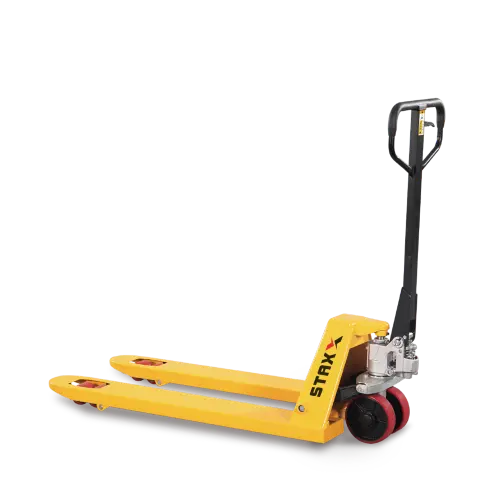 Hand Pallet Trucks
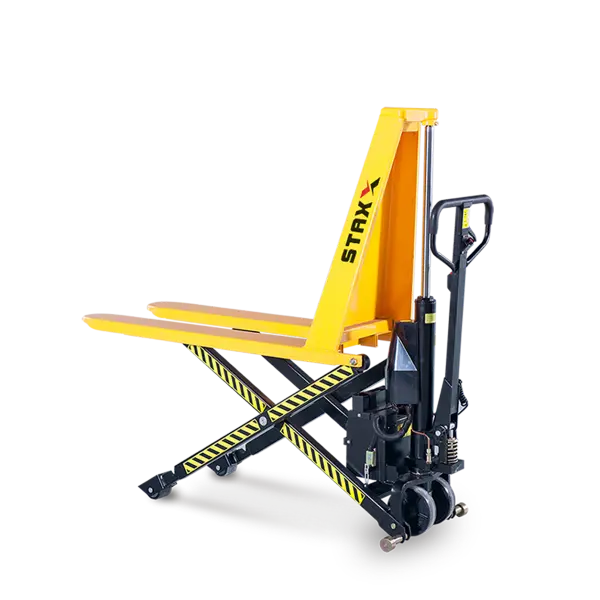 Special Pallet Trucks
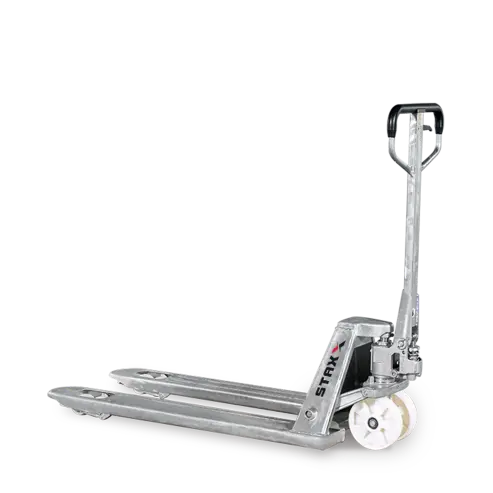 Galvanized and Inox Series
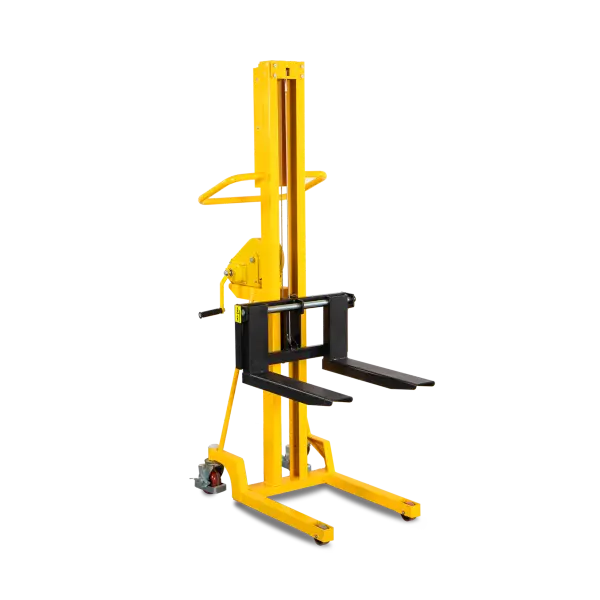 Easy Lift Service
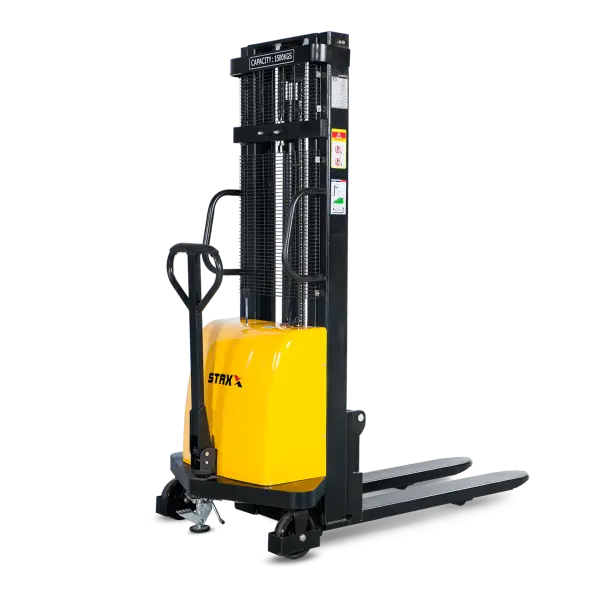 Manual Stackers
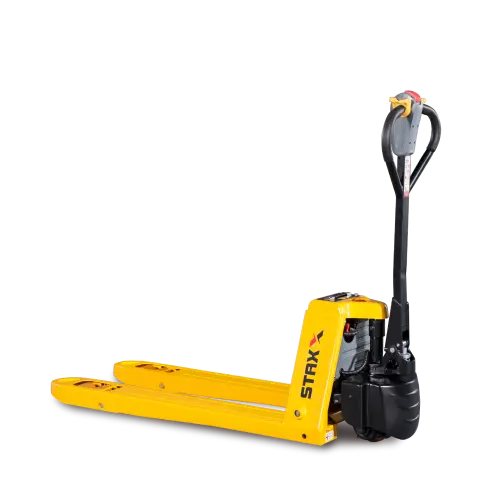 Electric Pallet Truck
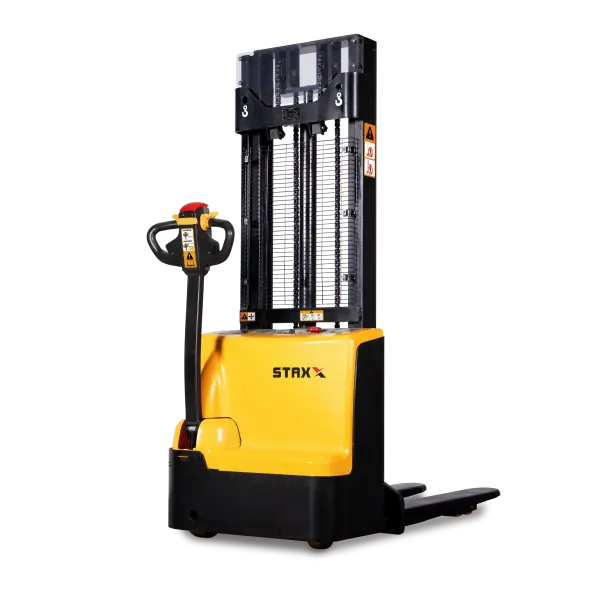 Electric Stackers
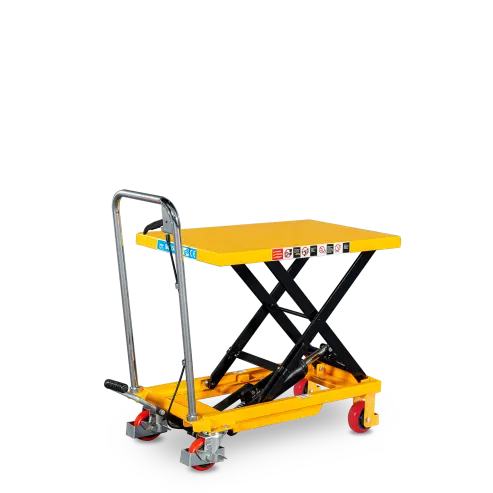 Lift Table
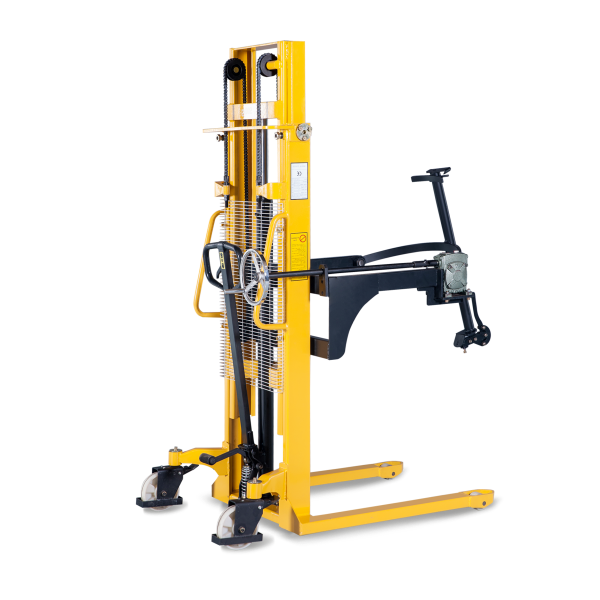 Drum Handling
 Others