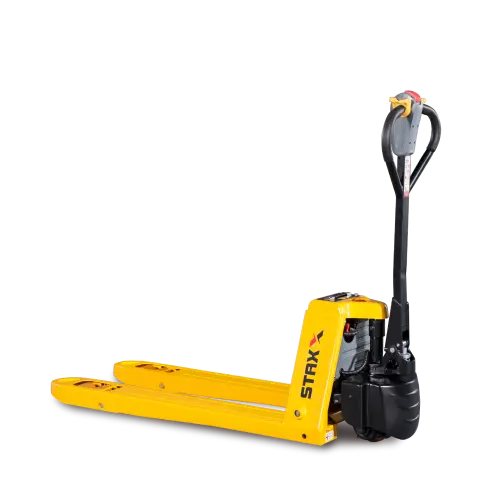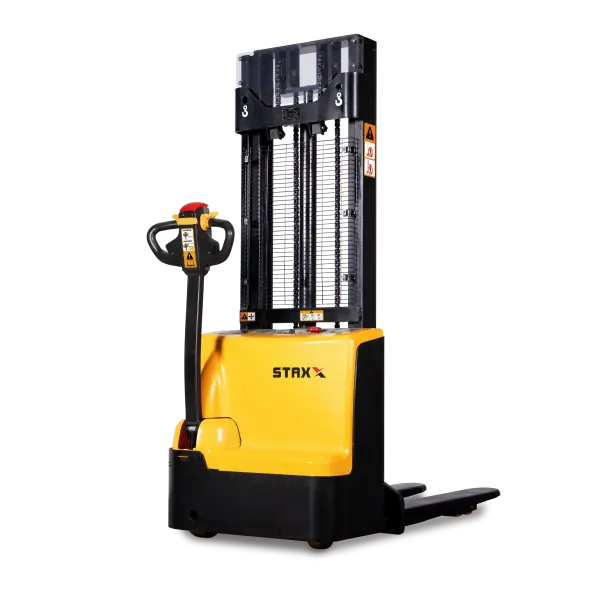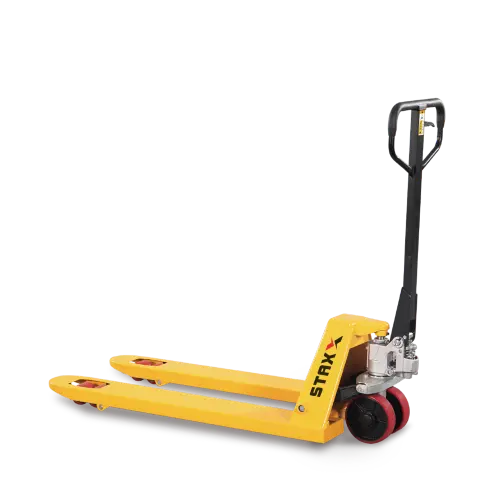
In today's fast-paced industrial environment, businesses are constantly seeking ways to improve efficiency. One solution gaining traction is the Lithium Ion Pallet Jack. As logistics expert Sarah Thompson highlights, “The Lithium Ion Pallet Jack is revolutionizing how warehouses operate.”
This innovative equipment offers numerous advantages that make it an attractive choice for various businesses. Lithium Ion technology provides faster charging and longer operation times compared to traditional battery systems. It can significantly reduce downtime, which is crucial in a competitive market.
However, transitioning to a Lithium Ion Pallet Jack is not without its challenges. Organizations must consider the initial investment and training for staff. Nonetheless, the long-term benefits often outweigh these concerns. The conversation around lithium ion technology continues to grow, encouraging businesses to rethink their material handling strategies.
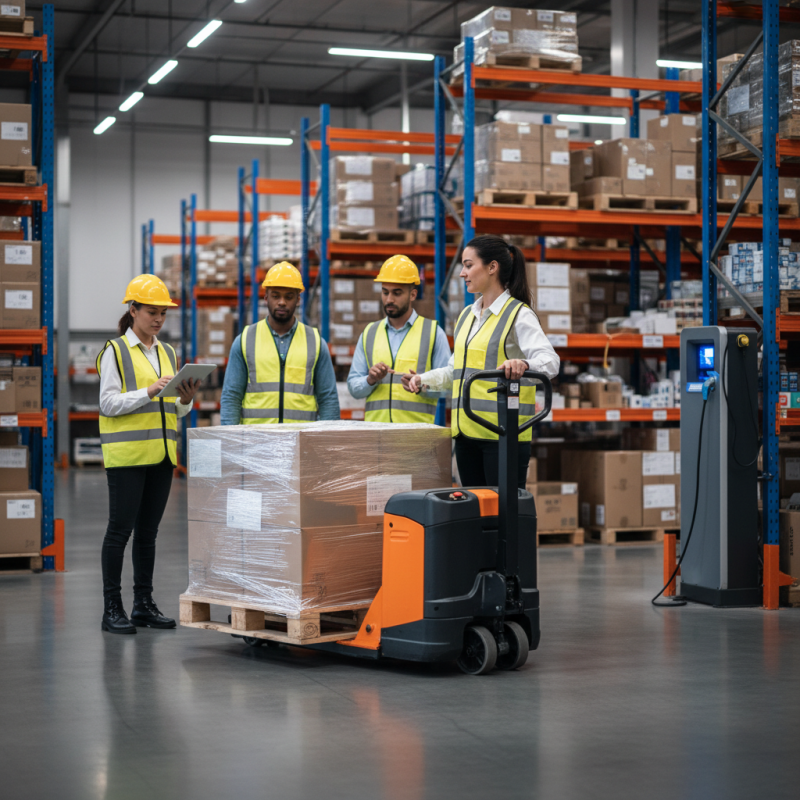
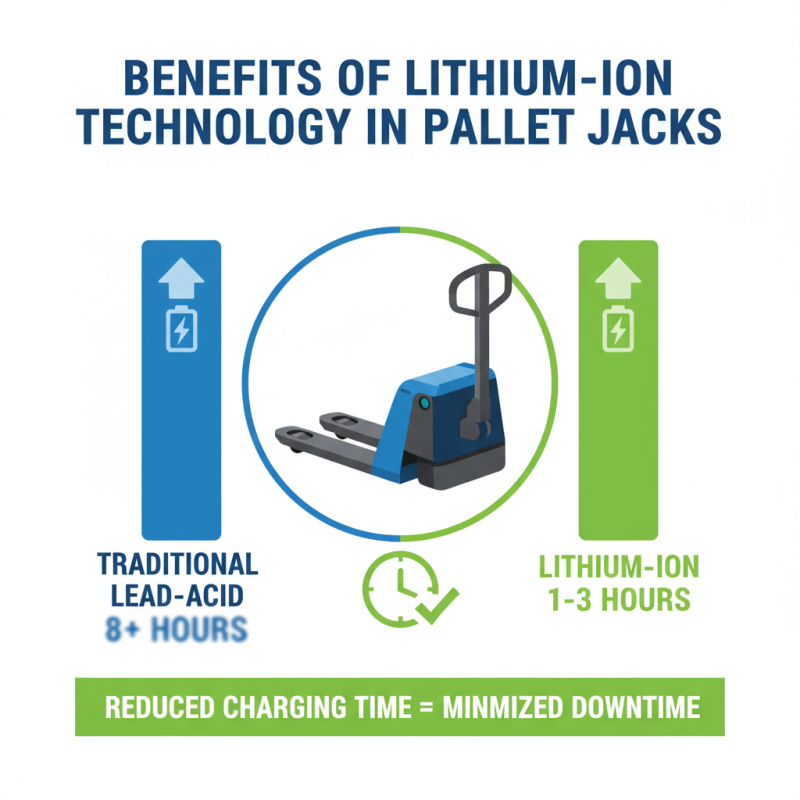
Lithium-ion technology has transformed the pallet jack landscape, offering numerous benefits for businesses. One significant advantage is the reduced charging time compared to traditional lead-acid batteries. Users can charge a lithium-ion battery within one to three hours. This efficiency ensures that equipment is available when needed, minimizing downtime.
Another key benefit is the longer lifespan of lithium-ion batteries. They can last up to five times longer than lead-acid counterparts. This durability results in fewer replacements, lowering long-term costs for businesses. Furthermore, lithium-ion batteries maintain consistent power levels throughout their discharge cycle. This feature can enhance operational efficiency and performance.
However, some businesses may hesitate due to initial costs. Investing in lithium-ion technology can appear daunting. Educating staff on the benefits and maintenance is essential. The transition requires careful planning and reflection. Addressing these challenges will help harness the advantages of lithium-ion pallet jacks effectively. The shift can ultimately lead to more streamlined operations and improved productivity.
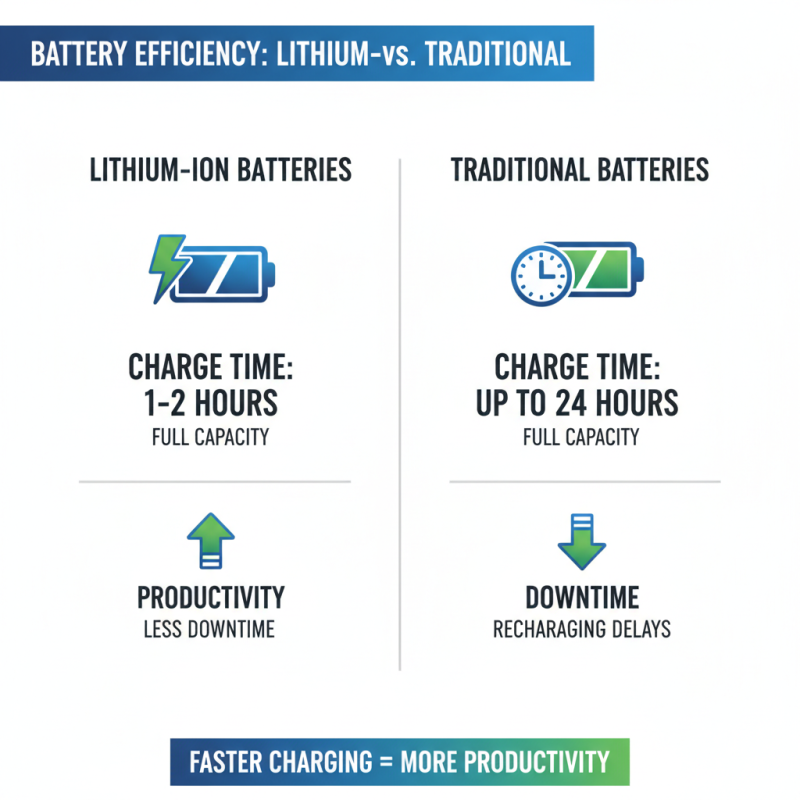
When comparing lithium-ion to traditional battery options, efficiency stands out. Lithium-ion batteries charge faster. They can often reach full capacity in just a couple of hours. In contrast, traditional batteries may take a full day. This speed means less downtime for your operations. More productivity results from fewer delays in recharging.
Weight is another vital factor. Lithium-ion batteries are typically lighter than traditional ones. This weight reduction can enhance maneuverability. It aids operators in transporting loads more efficiently. However, it’s essential to consider the initial investment. Lithium-ion options can be pricier than conventional batteries. This upfront cost might make businesses hesitant.
Longevity becomes a significant point of discussion. Lithium-ion batteries generally have longer life spans. They endure more charge cycles before performance declines. Yet, this doesn’t mean they are maintenance-free. Regular checks and proper care are necessary. Mismanagement can lead to reduced efficiency over time. Ultimately, weighing these factors will help businesses make informed choices.
Lithium ion pallet jacks bring significant improvements in efficiency and productivity to businesses. Their compact design allows for maneuverability in tight spaces. This feature is vital for warehouses with limited room. Additionally, these jacks offer quick charging capabilities. A fully charged pallet jack can operate for hours without interruptions. This reduces downtime and keeps operations running smoothly.
Another key advantage is their lightweight structure. Employees find them easier to operate, which translates to less fatigue during long shifts. With less strain, staff can remain focused on tasks. The user-friendly controls also enhance productivity. Operators can quickly learn to use the jacks, minimizing training time.
However, some businesses may hesitate due to initial costs. Investing in lithium ion technology can feel daunting. It's essential to weigh long-term savings against upfront expenses. Maintenance is also a consideration; the technology requires specific care to ensure optimal performance. Understanding both the benefits and potential drawbacks will help in making an informed decision.
| Reason | Description | Impact on Business |
|---|---|---|
| 1. Faster Charging | Lithium Ion batteries charge quickly, often in one to two hours. | Reduces downtime and increases operational efficiency. |
| 2. Longer Lifespan | Lasts up to 2,000 charging cycles compared to lead-acid. | Lower replacement costs and better return on investment. |
| 3. Lightweight Design | Much lighter than traditional lead-acid batteries. | Easier to maneuver, leading to improved handling. |
| 4. No Maintenance Required | Does not require water refills or regular maintenance checks. | Saves time and labor costs associated with maintenance. |
| 5. Eco-Friendly | No toxic heavy metals, can be recycled more easily. | Enhances corporate sustainability efforts. |
| 6. Consistent Power Output | Maintains power levels throughout discharge cycle. | Improves the reliability of operations. |
| 7. Safer Operation | Less risk of leaking acid compared to lead-acid batteries. | Provides a safer work environment for employees. |
| 8. Compact Design | More compact than traditional battery systems. | Saves space in warehouses and storage areas. |
| 9. Better Temperature Tolerance | Performs better in extreme temperatures. | Consistent performance in various environments. |
| 10. High Efficiency | More efficient energy use leads to lower energy costs. | Directly impacts the bottom line by reducing operational costs. |
When considering a pallet jack, lithium-ion options present significant cost savings in the long run. Traditional lead-acid batteries require frequent replacements, typically every three to five years. In contrast, lithium-ion batteries can last up to ten years with minimal maintenance. This longevity means fewer replacement costs, saving businesses thousands over their lifespan.
Lithium-ion models also boast lower maintenance needs. According to industry reports, maintenance costs for lithium-ion pallets are 40% lower than lead-acid counterparts. Owners save on labor and parts. The consistency of lithium-ion batteries leads to improved energy efficiency, reducing energy costs by 30% as reported by energy studies in the warehouse sector.
**Tip:** Schedule regular checks on battery health to maximize performance. Even though lithium-ion requires less maintenance, it’s still important to keep an eye on usage patterns.
**Tip:** Invest in smart charging systems. These can further extend battery life and enhance efficiency, making your operations smoother.
Optimizing battery selection impacts operational costs. A lithium-ion pallet jack may have a higher initial investment, but the long-term savings and efficiency are undeniable. Adopting newer technology requires reflection on past decisions, aligning company goals with sustainable and cost-effective solutions.
In the quest for sustainable business solutions, the selection of equipment plays a crucial role. Lithium-ion pallet jacks are a prime example. Their ecological benefits significantly contribute to reducing a company's carbon footprint. These jacks produce less noise and emit no harmful gases. This makes them ideal for indoor use, promoting a healthier workspace.
Lithium-ion technology also offers longevity, enhancing both environmental and economic efficiency. Traditional battery-operated jacks require frequent replacements, leading to more waste. In contrast, lithium-ion batteries last longer and recharge faster. This efficiency translates to less downtime and a lower environmental impact. Businesses often overlook these long-term benefits, focusing only on immediate costs.
Adopting greener material handling options is essential. It reflects a company's commitment to sustainability. However, it is vital to consider the origins and recycling of the batteries. Not all lithium-ion batteries are created equal. Some may have a more significant environmental impact during production. Therefore, thorough research and critical evaluation are necessary when integrating new technologies.