Top Tips for Choosing Lithium Pallet Jack at Canton Fair 139?
Choosing the right Lithium Pallet Jack is crucial for efficiency in warehouses. As industries evolve, the demand for advanced equipment grows. The global pallet jack market is projected to reach $4.3 billion by 2026, highlighting the importance of selecting the best options.
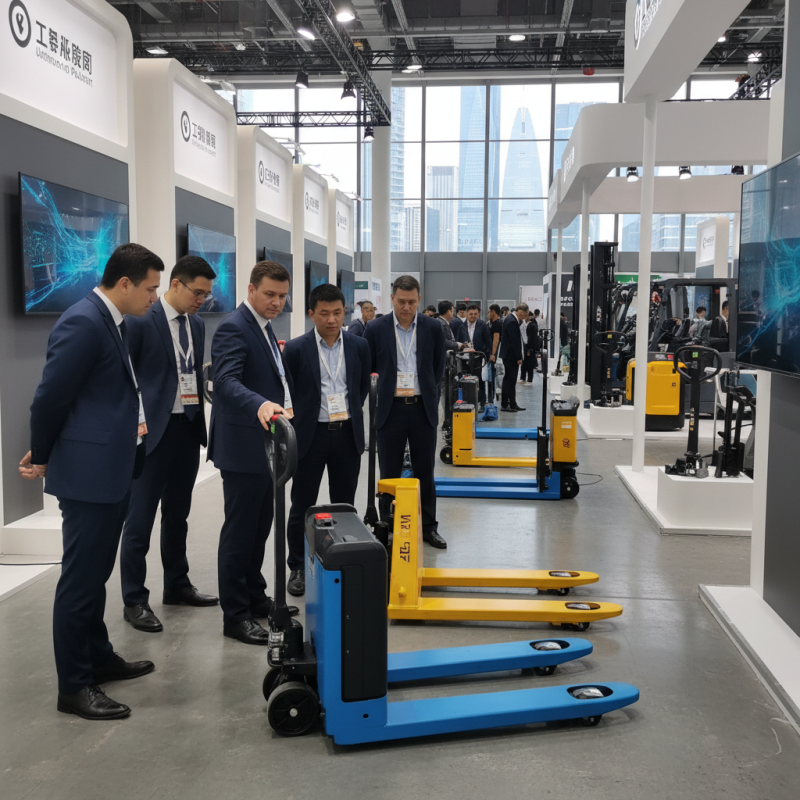
At the 139th Canton Fair, buyers can explore various Lithium Pallet Jacks. The event introduces AI-driven features. These innovations allow users to find certified suppliers quickly, enhancing overall procurement processes. Yet, with so many options, the decision can be overwhelming.
Pay attention to specific details. Consider weight capacity, battery life, and maneuverability. A poorly chosen pallet jack can lead to inefficiencies. Some products may look promising but lack essential certifications. Regular assessments of your needs are necessary to ensure you're making the right investment in your operations.
Key Features to Consider When Selecting a Lithium Pallet Jack
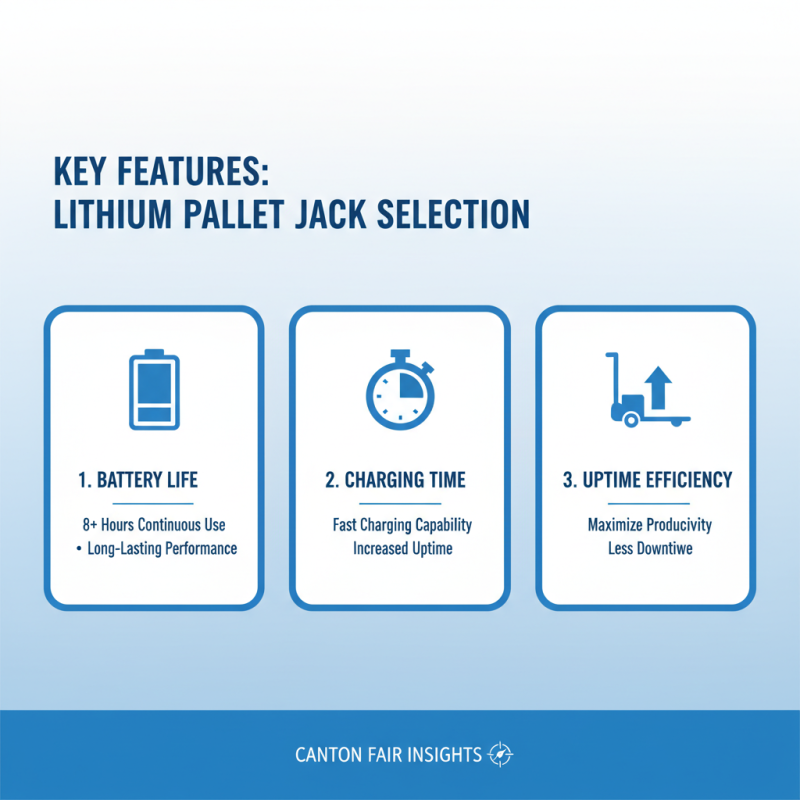
When choosing a lithium pallet jack at the Canton Fair, focus on key features. Battery life is crucial. Look for models with long-lasting batteries. Typically, a good lithium battery should support at least 8 hours of continuous use. Pay attention to charging time as well. Faster charging means more uptime.
Another important aspect is the weight capacity. Ensure the jack can handle your typical load. Most models can lift between 1,500 to 3,000 kg. Consider the lift height too. A higher lift can be beneficial in tight spaces. Don't forget about maneuverability. A compact design may help in crowded areas.
In terms of safety, features like automatic braking are essential. They help prevent accidents in busy environments. Check the ergonomic design as well. The handle should feel comfortable. If it feels awkward, it could lead to fatigue and inefficiency. One thing to reconsider is the wheel type. Different surfaces require different wheels. Always test before making a decision.
Understanding Different Types of Lithium Pallet Jacks at Canton Fair
When attending the Canton Fair, you’ll find a variety of lithium pallet jacks. Each type serves different needs. Understanding these differences is crucial for making the right choice.
Electric pallet jacks offer ease of use. They can lift heavy loads with minimal effort. You simply push a button or use a lever. However, their battery life can be a concern. You may need to recharge often, depending on usage. This can halt operations unexpectedly.
Manual lithium pallet jacks are another option. They require more physical effort, but they are budget-friendly. Their design allows for easy maneuverability in tight spaces. Still, consider the strain on workers. Safety and comfort should not be overlooked. Choose carefully, as the right type should match your specific operational needs and employee capabilities.
Top Tips for Choosing Lithium Pallet Jack at Canton Fair
| Feature |
Description |
Considerations |
| Battery Type |
Lithium-ion batteries offer fast charging and longer life. |
Check for warranty and lifespan guarantees. |
| Lift Capacity |
Common capacities range from 1,000 to 3,000 lbs. |
Choose based on your maximum load requirements. |
| Fork Length |
Typical lengths range from 48 to 60 inches. |
Ensure it fits your pallet sizes. |
| Maneuverability |
Look for models with tight turning radii. |
Test in confined spaces if possible. |
| Safety Features |
Includes features like emergency stop, alarms, and safety brakes. |
Prioritize safety to protect workers. |
| Cost |
Prices vary widely based on features and capacity. |
Balance features with your budget. |
Evaluating Manufacturer Reputation and Product Quality
When attending the Canton Fair, evaluating manufacturer reputation is crucial. Take time to research potential suppliers. Look for their history in the industry and how long they have been operating. Reviews and testimonials from previous customers can provide valuable insights. Check online platforms for feedback on their products and services. Don’t settle for superficial information. Go deeper to understand their track record.
Product quality is another key factor to consider. Inspecting the pallet jacks in person allows you to assess their build and functionality. Pay attention to the materials used. Are they durable? Examine the lifting mechanisms and ease of operation. A smooth operation reflects good engineering. Be cautious of low-priced options, as they may compromise on quality. Consider asking for samples or testing units. This will help you make a more informed decision.
It’s easy to overlook the importance of feedback from others. Don't hesitate to ask questions directly to the manufacturers. Engage them in discussions about their production processes. Understand their quality assurance practices. If something feels off, trust your instincts. Finding the right pallet jack is not just about price; it requires careful thought and reflection.
Top Tips for Choosing Lithium Pallet Jack
This bar chart illustrates the critical evaluation criteria for choosing a lithium pallet jack based on factors like manufacturer reputation, product quality, warranty offer, customer support, and safety features. Each criterion is rated on a scale of 1 to 10, highlighting important aspects to consider during the selection process.
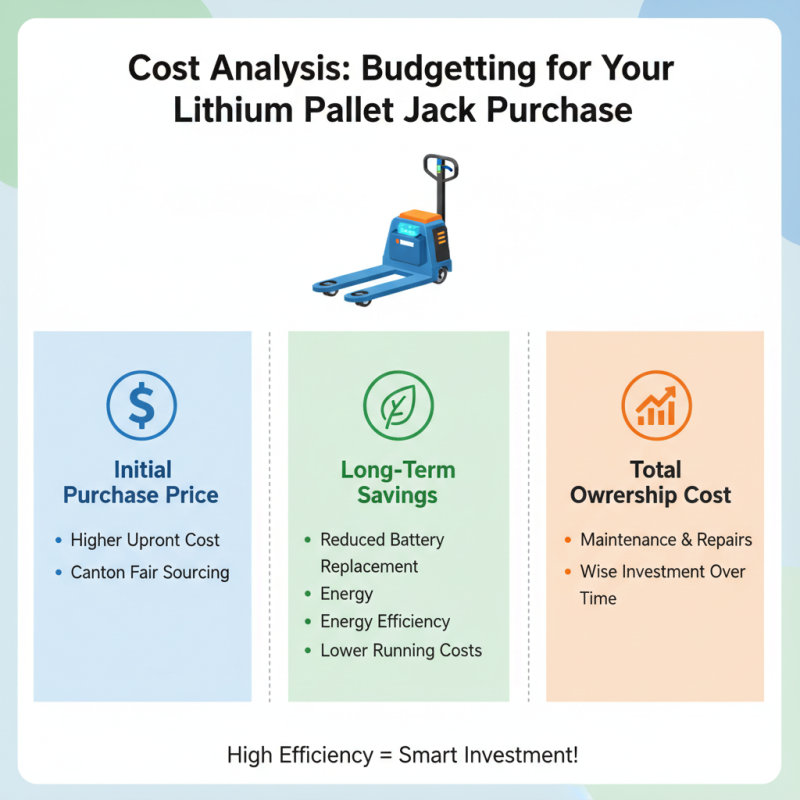
Cost Analysis: Budgeting for Your Lithium Pallet Jack Purchase
When planning to purchase a lithium pallet jack at the Canton Fair, understanding your budget is essential. Analyze the total cost, including initial purchase price, maintenance, and potential repairs. Lithium pallet jacks tend to have higher upfront costs compared to traditional models. However, their long-term savings on battery replacement and energy efficiency can make them a wise investment.
Evaluate your operational needs. Will you use the pallet jack for heavy loads or extended periods? This can influence the features you need. A more robust model might be necessary, leading to increased costs. Calculate the potential for operational downtime if your equipment fails. Spending more upfront might save you from costly interruptions later.
Don't forget to factor in additional expenses. These might include training for your staff or the need for special attachments. Often, hidden costs can lead to budget overruns. Reflecting on these facets can ensure a smoother purchasing experience. Consider seeking advice from peers who have gone through this process. Their insights can guide you in making a more informed decision.
Tips for Testing and Demonstrating Lithium Pallet Jacks at the Fair
When testing lithium pallet jacks at the Canton Fair, safety features are crucial. Look for models with
automatic braking systems. Such features can prevent accidents, especially in crowded environments.
According to industry reports, about 28% of workplace injuries involve manual lifting. This statistic reinforces the need for reliable
safety mechanisms.
Functionality is another area to consider. Evaluate the lifting capacity of each model you test. The average lithium pallet jack can handle about
3,300 pounds. However, not all jacks perform equally under stress. Check if the jack can maintain its
performance when loaded to its maximum capacity. A demonstration under load can reveal a lot about durability.
Pay attention to battery performance as well. Battery life varies significantly. Some reports indicate
that certain brands offer up to 8 hours of operation on a single charge. However, others may falter after just a few
hours. Engage with the manufacturer to understand how their product’s battery management system works. A good system not only extends battery
life but also ensures efficient charging. Choose wisely, as your decision can affect
workflow efficiency significantly.

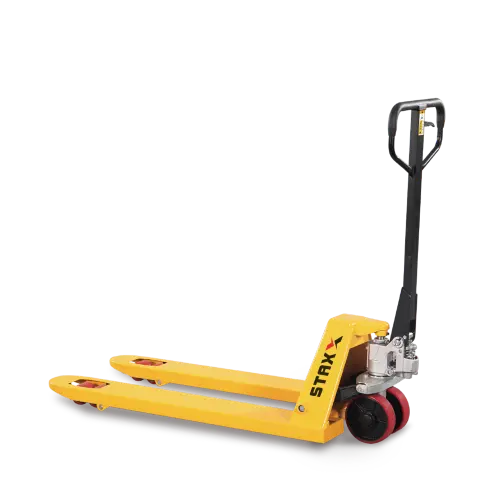 Hand Pallet Trucks
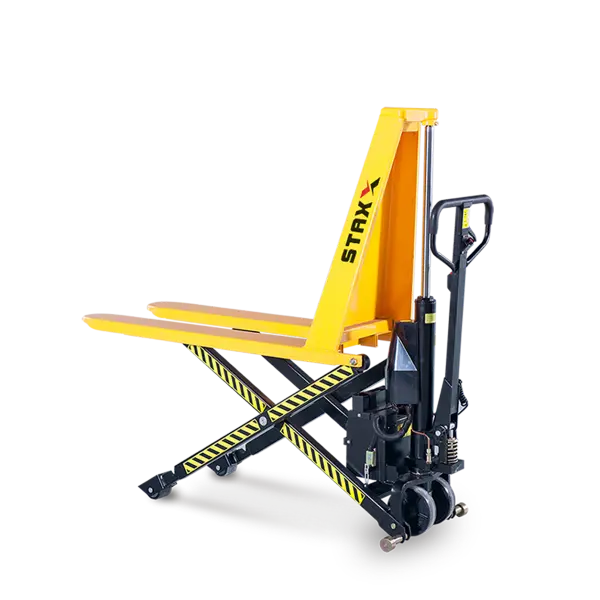 Special Pallet Trucks
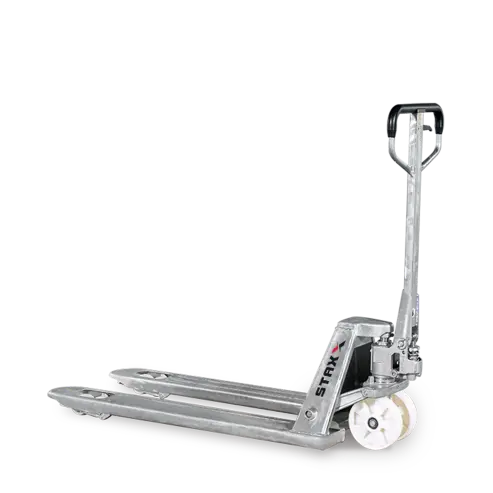 Galvanized and Inox Series
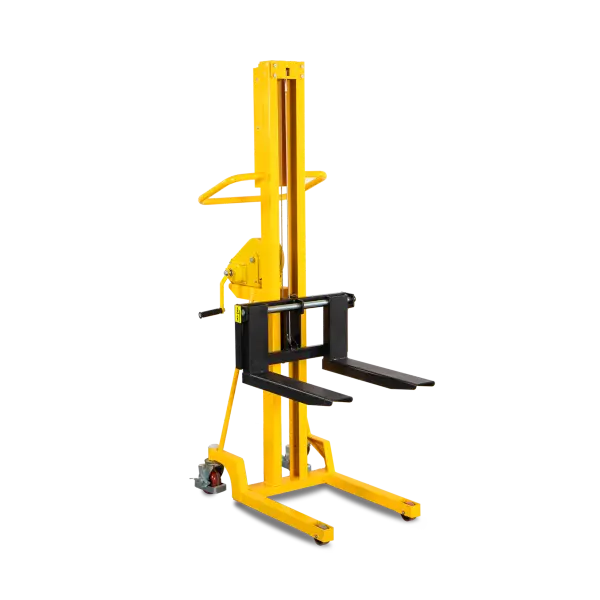 Easy Lift Service
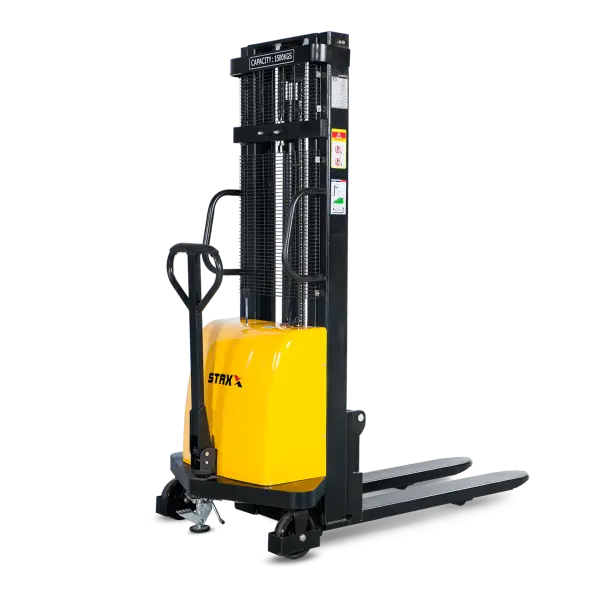 Manual Stackers
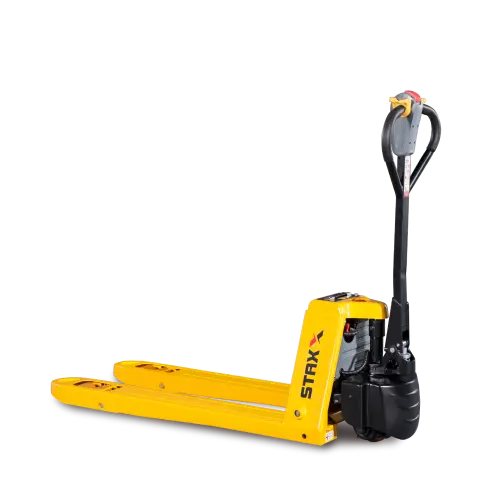 Electric Pallet Truck
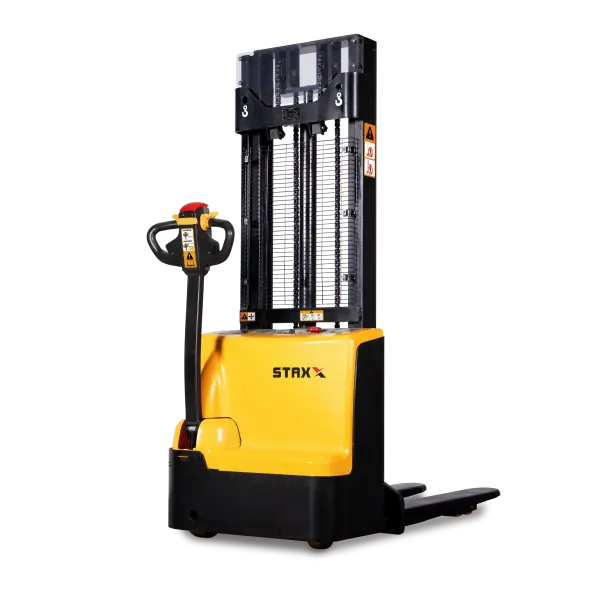 Electric Stackers
 Lift Table
 Drum Handling
 Others