Ultimate Tips for Using a Drivable Pallet Jack Efficiently?
In the fast-paced world of warehouse operations, efficiency is key. Experts in the field emphasize the importance of using tools effectively. As John Smith, a leading expert in material handling, once stated, “A Drivable Pallet Jack can transform your workflow if used correctly.” This statement underlines how critical it is to master the use of this equipment.
The Drivable Pallet Jack is not just a tool; it’s a game changer. Its design allows for quicker movement of goods, reducing the strain on workers. However, many operators make basic mistakes. For example, failing to ensure proper load distribution can lead to accidents. Moreover, overlooking regular maintenance can reduce its lifespan and efficiency.
Understanding the nuances of the Drivable Pallet Jack is essential. There are strategies to optimize its use. Yet, many operators don’t fully grasp these tactics. With the right training and awareness, misuse can be minimized. Every loading dock has its challenges. By acknowledging this, companies can enhance their operations significantly.
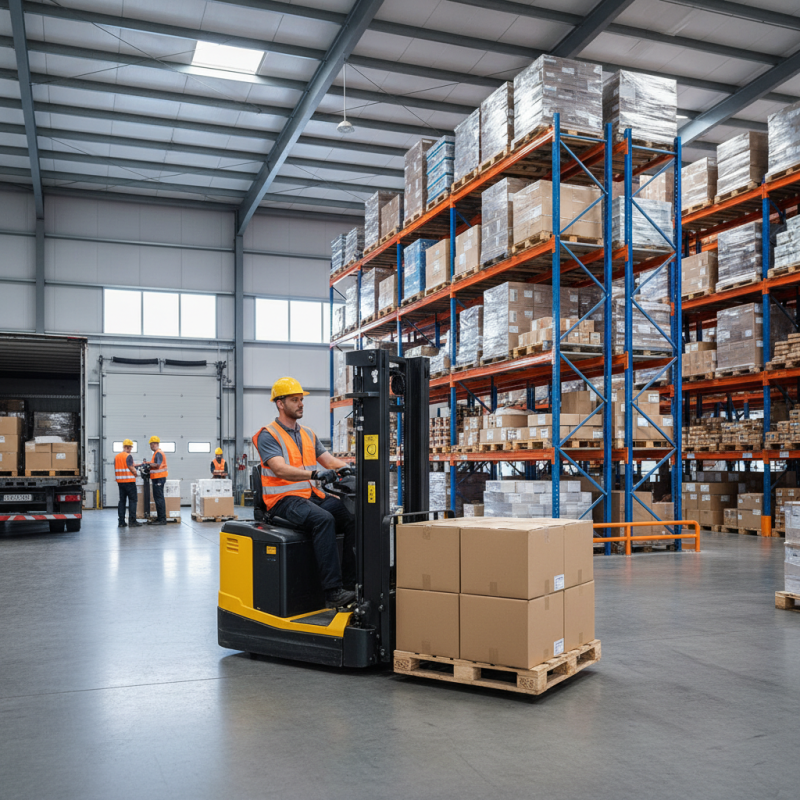
Understanding the Basics of Drivable Pallet Jacks
Drivable pallet jacks are essential tools in many warehouses. They help in moving heavy loads with ease. Understanding the basics is crucial for efficient use. A drivable pallet jack features a platform for operators to stand on while guiding the equipment. This simple design allows for better maneuverability in tight spaces.
The controls are easy to operate but can take time to master. It’s important to familiarize yourself with the buttons and levers. Practice makes perfect, yet it’s common to feel uncertain at first. While driving, always maintain a clear view of your surroundings. Blind spots can cause accidents.
When lifting or lowering a load, keep a steady hand. Quick movements can lead to spills or dropped items. Regular maintenance of the jack is often overlooked. Neglect can result in mechanical issues and reduced efficiency. Taking the time for routine checks is necessary. Checking the battery level is also critical to avoid unexpected interruptions during work.
Ultimate Tips for Using a Drivable Pallet Jack Efficiently
| Tip |
Description |
Benefits |
| Familiarize with Controls |
Understand the layout and function of the controls. |
Increases safety and reduces operational errors. |
| Regular Maintenance |
Conduct regular checks on battery and parts. |
Ensures longevity and reliability of equipment. |
| Proper Load Management |
Distribute weight evenly and do not overload. |
Improves balance and control during transport. |
| Clear Pathways |
Ensure routes are free of obstacles and hazards. |
Enhances safety and navigation efficiency. |
| Train Personnel |
Provide training on safe operation and best practices. |
Increases competence and reduces accidents. |
Key Features to Look for in a Drivable Pallet Jack
In the fast-paced world of logistics, a drivable pallet jack is essential. When selecting one, focus on key features that enhance efficiency. Weight capacity is crucial. Many models range from 3,000 to 8,000 pounds. Choosing the right capacity helps prevent overloads, which can damage the jack or cause accidents.
Maneuverability is another vital aspect. Models with a tight turning radius allow easy navigation in narrow aisles. According to a 2023 industry report, 40% of hoist-related injuries occur in confined spaces. Robust steering systems and responsive controls can significantly reduce these risks. Consider the ergonomic design too. Operators should feel comfortable during long shifts. Poor ergonomics may lead to fatigue, which affects productivity.
Battery life also plays a significant role. A high-quality unit can last up to 8 hours on a single charge. Many businesses report lost time due to frequent recharges. It's essential to verify the battery type. Lithium-ion batteries charge faster and tend to outlast traditional types. Finally, always evaluate the durability of materials and construction. A sturdy design withstands the rigors of the daily workload. Cost savings come from selecting a jack that truly meets your operational demands. Balancing features with price can be challenging but rewarding in the long run.
Essential Safety Practices When Operating a Drivable Pallet Jack
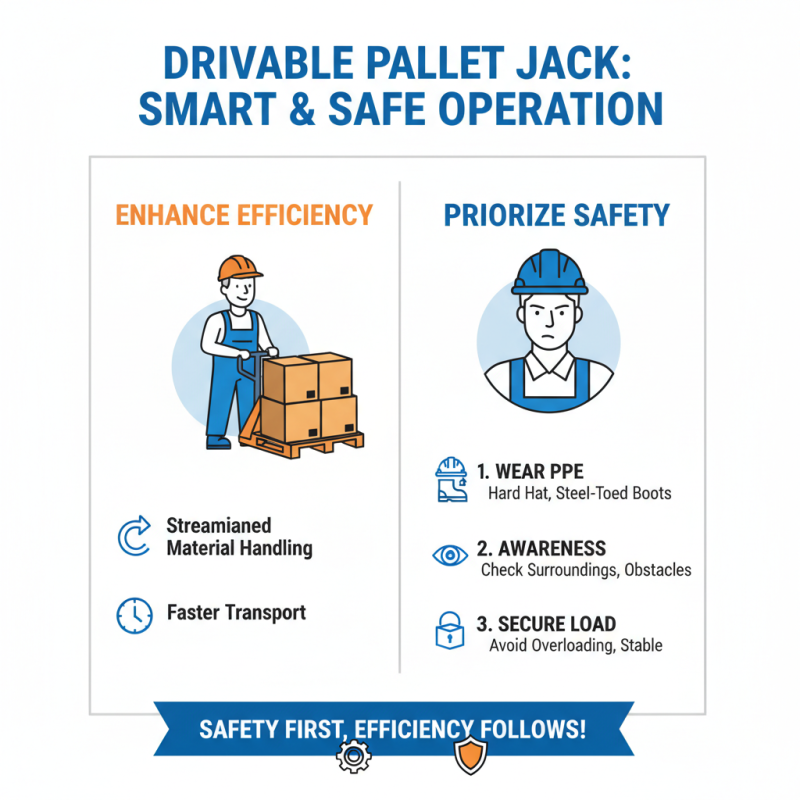
Operating a drivable pallet jack can greatly enhance efficiency in material handling. However, safety must always come first. Before starting, ensure you wear the right protective gear. A hard hat and steel-toed boots can prevent injuries from unexpected drops. Pay attention to your surroundings; there may be obstacles or people nearby. Always check the load before moving it. Overloading can lead to tipping or accidents.
During operation, keep your hands on the controls at all times. Avoid distractions; focus is crucial. Be aware of the steering response as you navigate tight spaces. Some operators fail to account for the turning radius, which can lead to collisions. When stopping, do it gently. Sudden stops can cause the load to shift unexpectedly. If the load does move, pause and reassess. Do not rush; it’s better to be safe than to risk an injury. Regular training is vital. Reflect on your experiences; identify areas for improvement to enhance your skills and overall safety.
Techniques for Maneuvering and Control in Tight Spaces
Maneuvering a drivable pallet jack in tight spaces requires skill and awareness. According to industry reports, about 75% of warehouse accidents occur in confined areas. This highlights the need for cautious handling. Operators should be trained in spatial awareness. Knowing the exact dimensions of the pallet jack helps avoid collisions.
Utilizing smooth, gradual movements is essential. Quick turns can lead to accidents. A study by logistics experts found that careful navigation reduces workplace injuries by up to 30%. It's vital to keep a clear line of sight. Operators should ensure nothing obstructs their view. Blind spots can be dangerous in packed environments.
Practicing in various scenarios enhances proficiency. Make time for training in more challenging layouts. Not all operators are equally skilled. Regular feedback sessions can help identify areas for improvement. Reflecting on past incidents allows for better decision-making in the future. Emphasizing continuous learning ensures safe and efficient operations.
Ultimate Tips for Using a Drivable Pallet Jack Efficiently

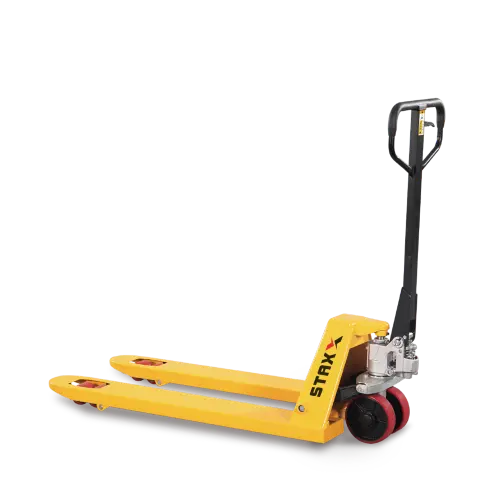 Hand Pallet Trucks
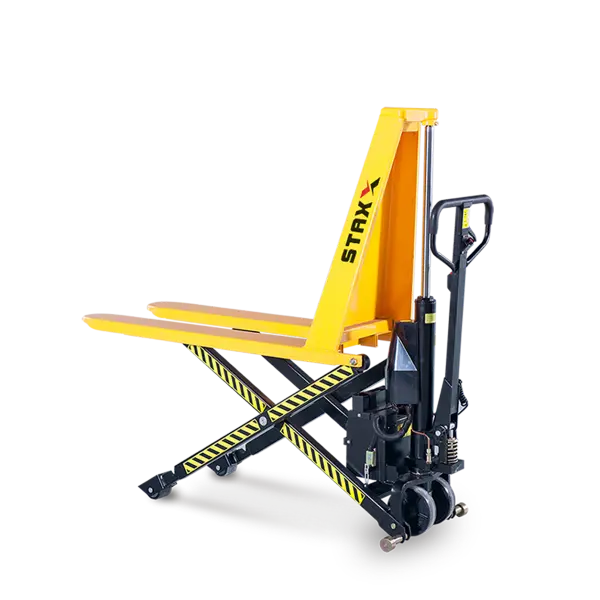 Special Pallet Trucks
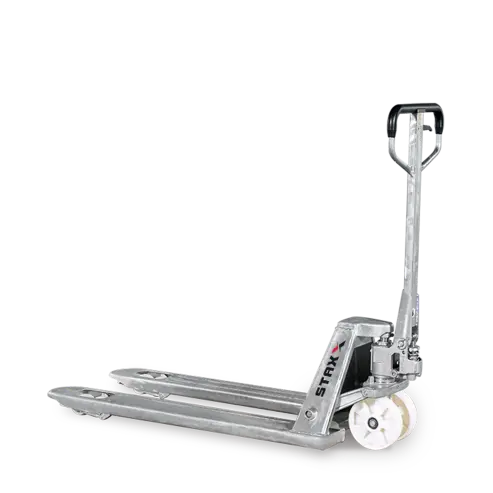 Galvanized and Inox Series
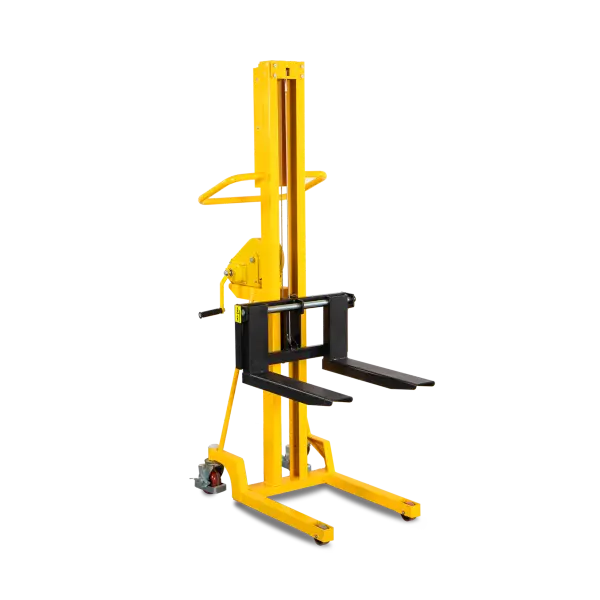 Easy Lift Service
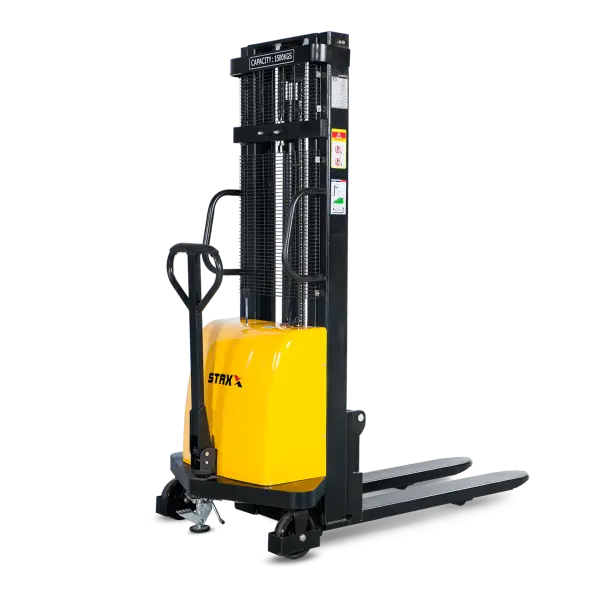 Manual Stackers
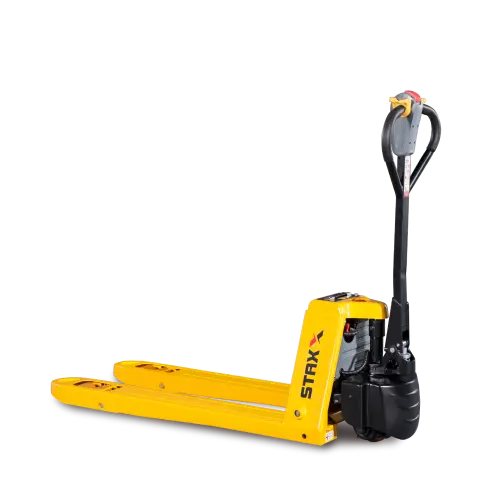 Electric Pallet Truck
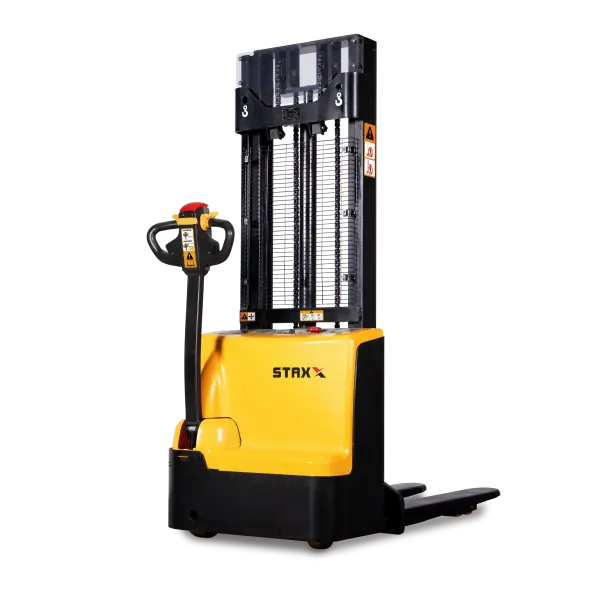 Electric Stackers
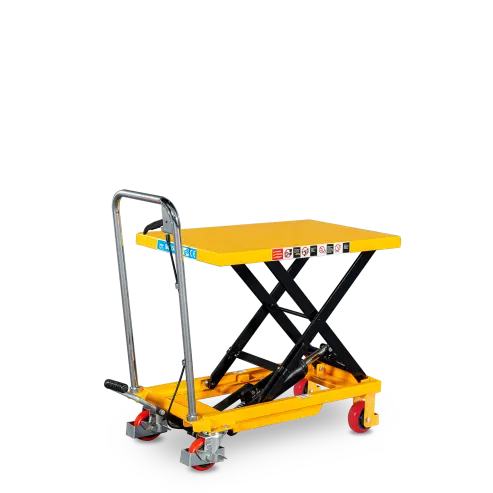 Lift Table
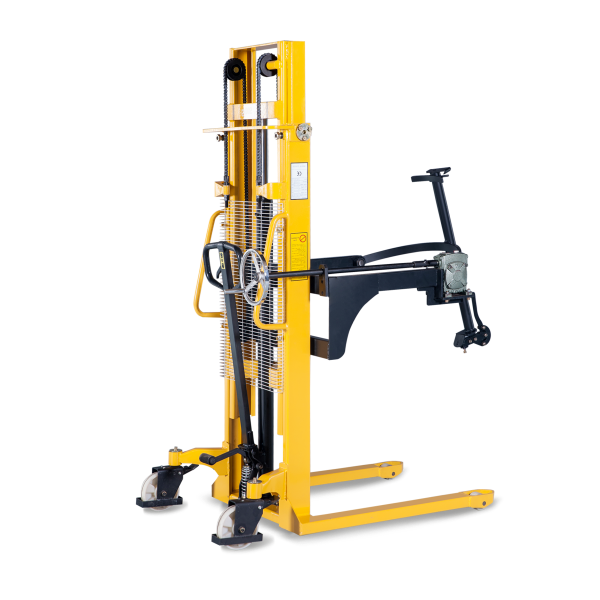 Drum Handling
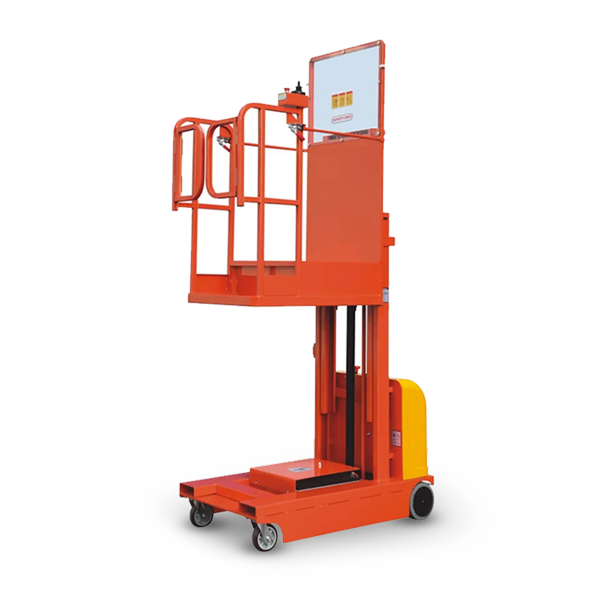 Others