Top Pallet Jack Motor Types for Your Material Handling Needs?
In the world of material handling, selecting the right Pallet Jack Motor is crucial. Different types of motors offer various advantages, tailored to specific needs. For instance, electric motors provide ease of use and efficiency, making them popular in busy warehouses. Hydraulic motors, on the other hand, are favored for their simplicity and reliability.
Understanding the requirements of your operation can help in choosing the best motor. Each motor type has its pros and cons. Electric motors require charging and maintenance, while hydraulic options may need manual operation. Additionally, the load capacity and frequency of use should inform your decision.
Many businesses overlook the importance of the right motor selection. This oversight can lead to inefficiencies and safety hazards. Balancing performance with cost is a task that requires careful consideration. Ultimately, investing in the correct Pallet Jack Motor can enhance productivity and streamline operations. Taking time to evaluate your specific material handling requirements is essential for success.
Overview of Pallet Jack Motors and Their Importance in Material Handling
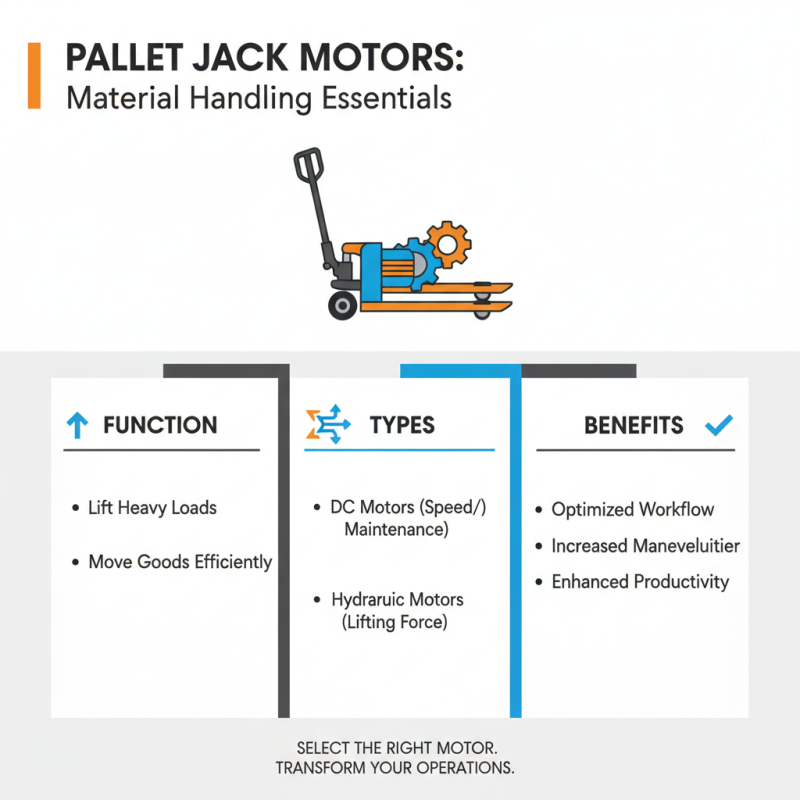
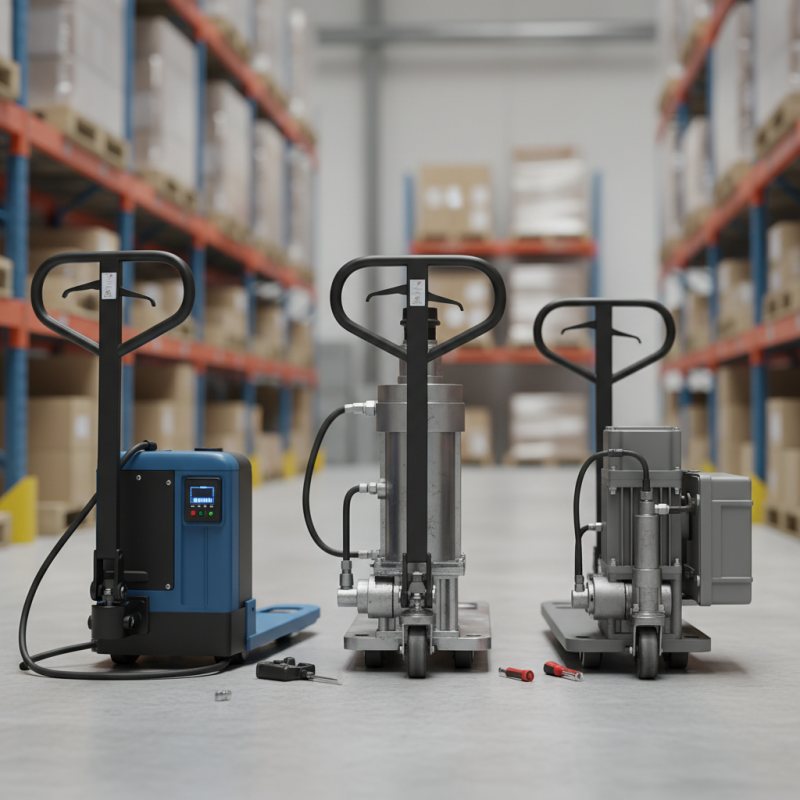
Pallet jack motors play a vital role in material handling. They are essential for lifting and moving heavy loads efficiently. Different types influence speed, power, and maneuverability. Selecting the right motor can optimize your workflow. Understanding the motor types is crucial.
Various motors, such as electric and hydraulic, offer distinct advantages. Electric motors are energy-efficient and require minimal maintenance. They are ideal for indoor use, especially in warehouses. Hydraulic motors, on the other hand, provide greater lifting power. They excel in outdoor applications but may need more upkeep.
It's essential to match the motor type to your specific needs. Misalignment can lead to operational inefficiencies. Evaluate your tasks carefully before making a choice. Each option has its drawbacks. Consider factors like load weight and environment. Reflecting on these aspects will improve your material handling processes.
Types of Pallet Jack Motors: Electric vs. Manual Options
When it comes to material handling, choosing between electric and manual pallet jack motors is crucial. Electric pallet jacks are powered by batteries. They make lifting heavy loads easier and require less physical exertion from workers. However, they need regular charging and maintenance. Battery life can be an issue. Be prepared for downtime if the battery fails.
On the other hand, manual pallet jacks rely on human effort. They are more affordable and easier to maintain. Manual options can work well in spaces with lighter loads. Yet, they demand significant physical strength, especially for heavy loads. A wrong lift or poor technique can lead to injuries. Always think about ergonomic design in manual jacks.
Tip: Regularly inspect your pallet jack, regardless of type. Look for wear and tear, especially on wheels and forks. A small issue can escalate quickly. Also, ensure your staff is trained on safe lifting techniques. Misuse of equipment can lead to accidents. Proper training is essential for safety and efficiency in any material handling setup.
Key Features to Consider When Choosing a Pallet Jack Motor
When selecting a pallet jack motor, several key features warrant careful consideration. Understanding the load capacity is crucial. Most electric pallet jacks can handle loads ranging from 3,000 to 5,500 pounds. Choosing a motor that meets your specific needs will ensure efficiency and safety.
Another important aspect is the motor type. AC and DC motors are common choices. AC motors offer higher performance and longer lifespan, making them suitable for heavy-duty applications. In contrast, DC motors are often lighter and more efficient for lighter loads. Efficiency can vary by 10-15%, impacting your operational costs.
Battery life and charging time are critical too. Electric motors usually require rechargeable batteries. On average, lithium-ion batteries can last 5-7 years with proper care. Battery maintenance should not be overlooked. Neglect can lead to faster degradation, reducing overall performance. Keep in mind that frequent monitoring of battery health is beneficial for long-term operation.
Performance Comparisons: Torque, Speed, and Load Capacity
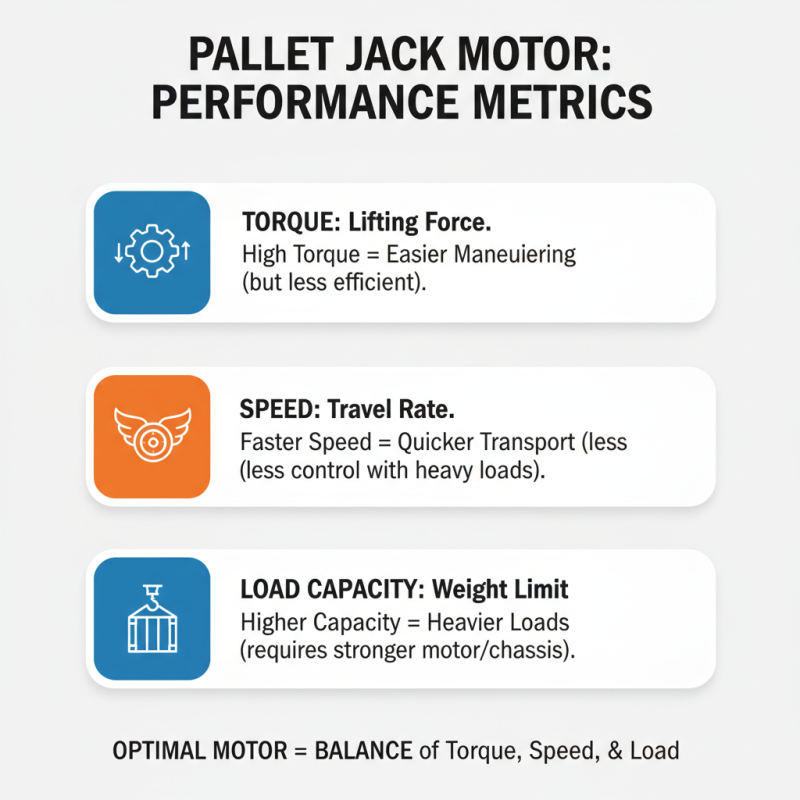
When selecting the best pallet jack motor, three key performance metrics stand out: torque, speed, and load capacity. Torque indicates how much force is available for lifting heavy loads. Higher torque generally allows for easier maneuvering. However, a motor with excessive torque may lead to energy inefficiencies.
Speed is another crucial factor. A faster pallet jack motor can boost productivity. Yet, speed must be balanced with control. Too much speed may result in accidents, especially in tight spaces. Choose a motor that strikes a balance between quickness and safety.
Load capacity is vital for overall efficiency. It defines the maximum weight a pallet jack can handle. Ensure the selected motor meets your specific requirements. A mismatch can cause mechanical failures or increase operation delays.
Tips: Always consider frequent load weights before making a choice. It helps in understanding whether a higher capacity is essential. Regular assessments of your workspace can illuminate the ideal speed and torque needed for safe handling. Finally, reflect on user experiences to prevent costly mistakes.
Maintenance Tips for Prolonging the Life of Your Pallet Jack Motor
Maintaining your pallet jack motor is essential for efficient material handling. Regular maintenance can significantly extend its lifespan. Start by checking the motor's voltage and connections. Loose wires can disrupt power and affect performance. Ensure that all screws and fasteners are tight and secure.
Another key area is the lubrication of moving parts. A well-lubricated motor runs smoother and is less prone to wear. Use the appropriate lubricant recommended for your specific motor type. Don’t forget to clean the motor regularly. Dust and debris can accumulate, leading to overheating and other issues.
Pay attention to unusual sounds or vibrations. These can be signs of potential problems. Addressing them early can prevent costly repairs. Over time, you may notice changes in performance. This is a natural part of machinery use, but keeping up with maintenance can help mitigate issues. Lastly, consult the user manual for any specific care recommendations tailored to your motor type.
Top Pallet Jack Motor Types for Your Material Handling Needs
This chart illustrates the distribution of different pallet jack motor types commonly used in material handling, along with maintenance frequency to prolong their lifespan.

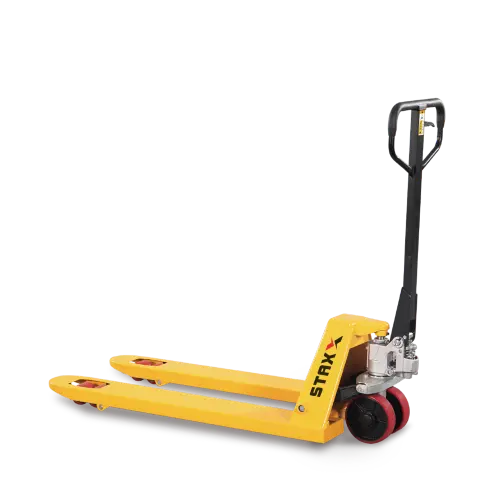 Hand Pallet Trucks
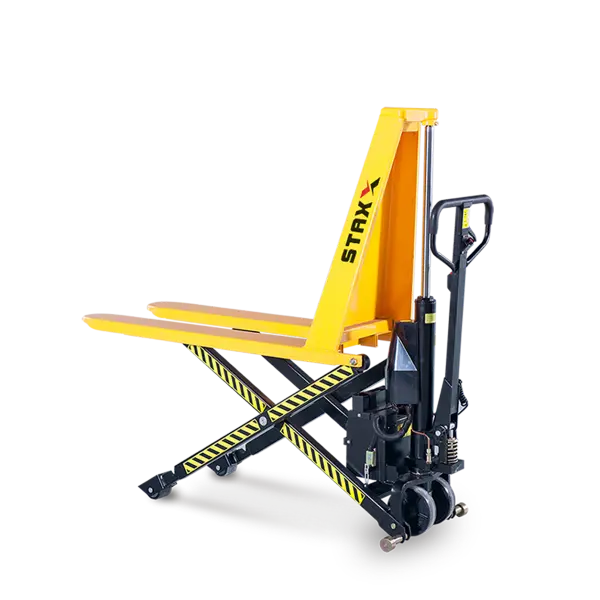 Special Pallet Trucks
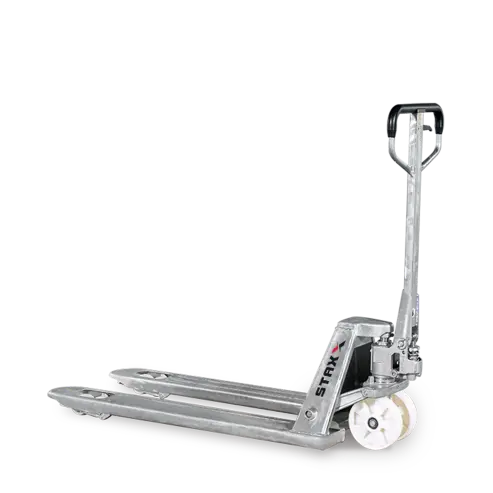 Galvanized and Inox Series
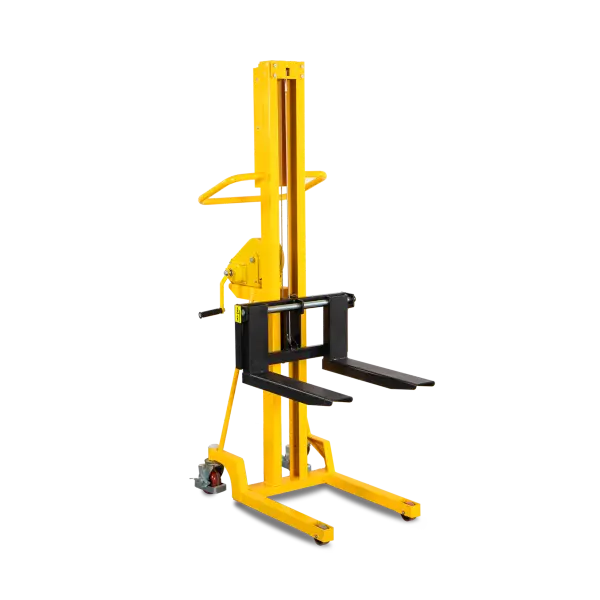 Easy Lift Service
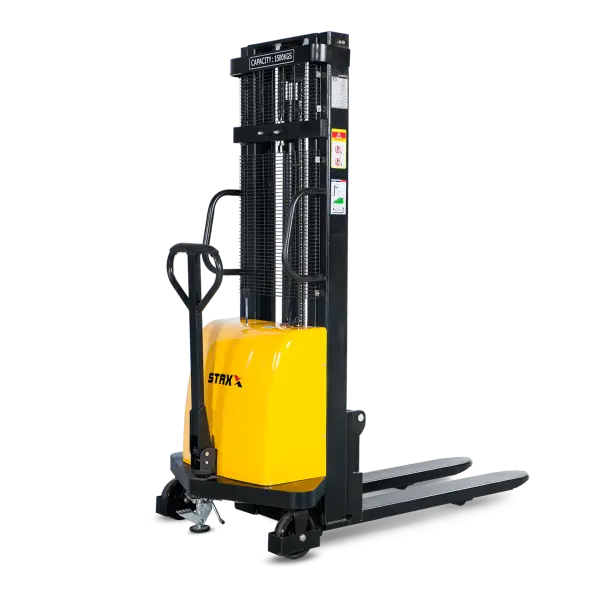 Manual Stackers
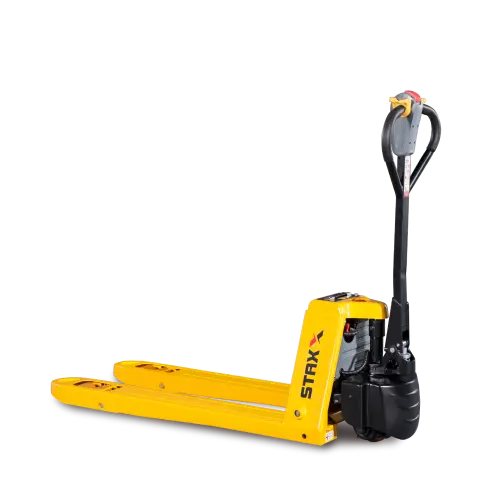 Electric Pallet Truck
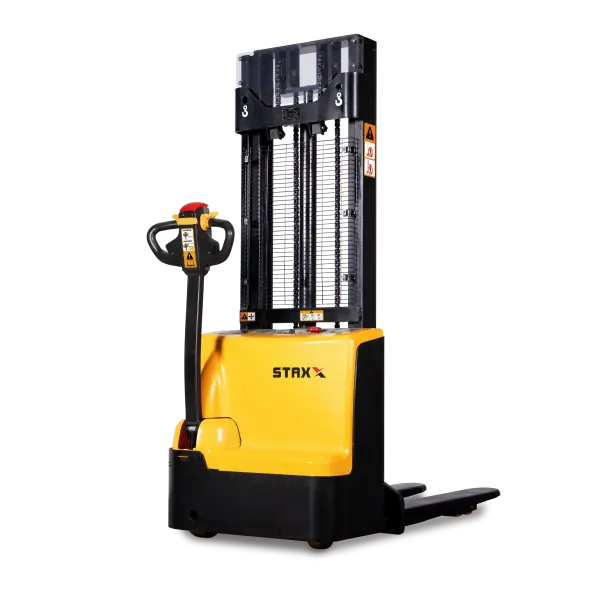 Electric Stackers
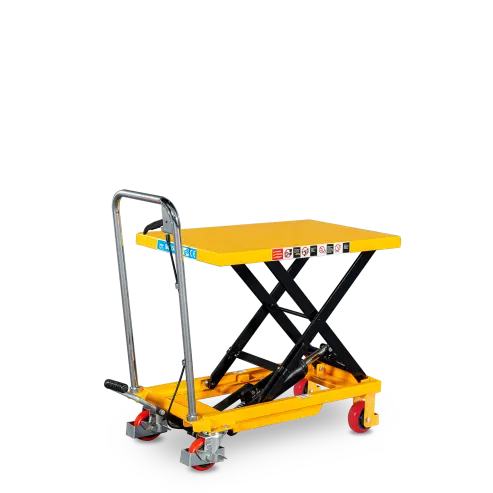 Lift Table
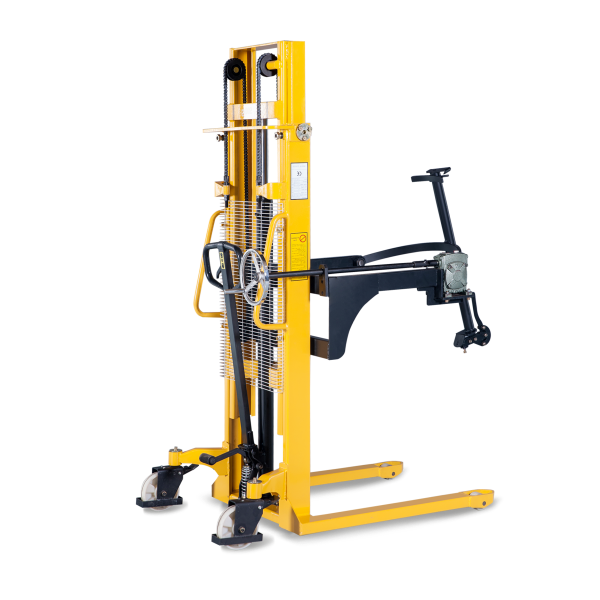 Drum Handling
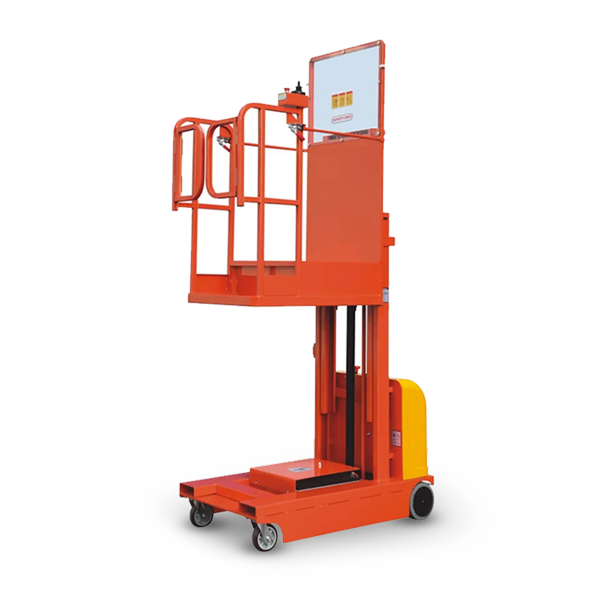 Others