What is a Walking Pallet Jack and How Does it Work?
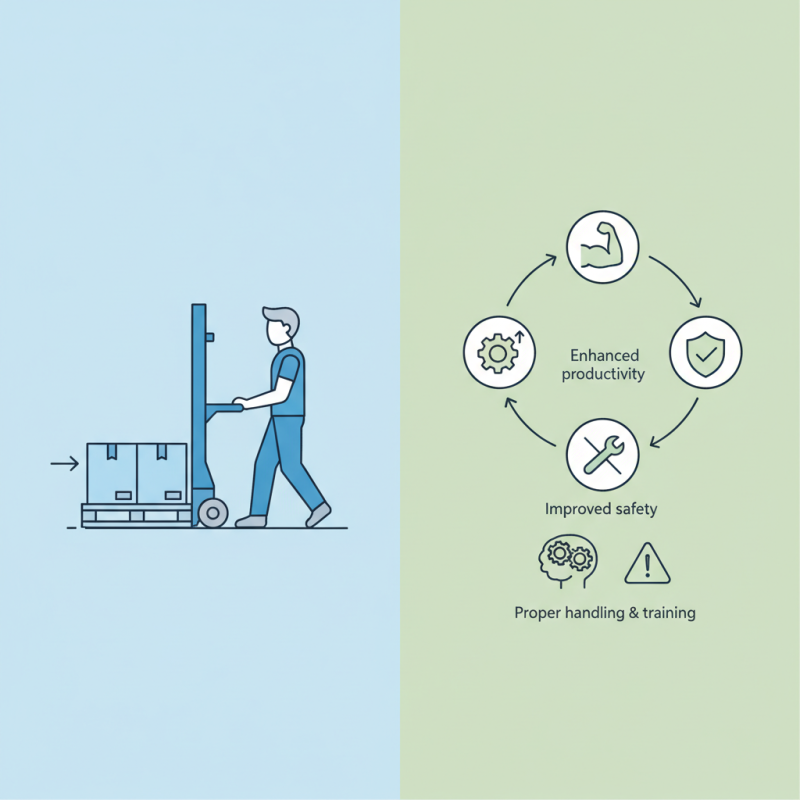
A Walking Pallet Jack is an essential tool in warehouses and distribution centers. This equipment helps move heavy pallets with ease. It enhances productivity and reduces physical strain on workers. With its unique design, it allows operators to walk alongside while steering the load.
Using a Walking Pallet Jack may seem simple, yet it requires proper handling. Operators must pay attention to weight limits and maneuvering techniques. A lack of training can lead to accidents or equipment damage. Understanding how to operate this tool effectively is crucial for safety.
In essence, the Walking Pallet Jack plays a vital role in modern logistics. It simplifies the process of moving goods, but users must remain vigilant. Reflecting on best practices can improve efficiency and safety in the workforce.
What is a Walking Pallet Jack?
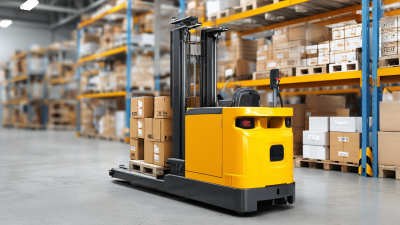
A walking pallet jack is a crucial tool in many warehouses. It simplifies the process of moving heavy pallets. With its compact design, it can easily navigate tight spaces. Operators walk beside it, guiding the jack with a simple lever. This design keeps the machine low to the ground. It’s safer for both the operator and the load.
Tips: Always check the pallet jack's battery level before use. A quick inspection can save time. Also, maintain a clear workspace to avoid accidents.
The walking pallet jack operates using hydraulic power. When you pull the lever, it lifts the pallets slightly. This feature helps to reduce strain on the user's back. However, if the load exceeds the jack's capacity, problems arise. Maneuvering heavy loads can lead to serious injuries. Workers must remain aware of their surroundings.
Tips: Always lift from the knees, not the back. Use teamwork for heavy loads. Safety should be the priority for everyone involved.
What is a Walking Pallet Jack and How Does it Work?
| Feature |
Description |
| Functionality |
A walking pallet jack is designed to lift and move pallets of goods within warehouses and loading docks. |
| Power Source |
Can be manually operated or powered by electric motors for easier maneuverability. |
| Weight Capacity |
Typically has a weight capacity ranging between 2,200 to 5,500 lbs, depending on the model. |
| Key Components |
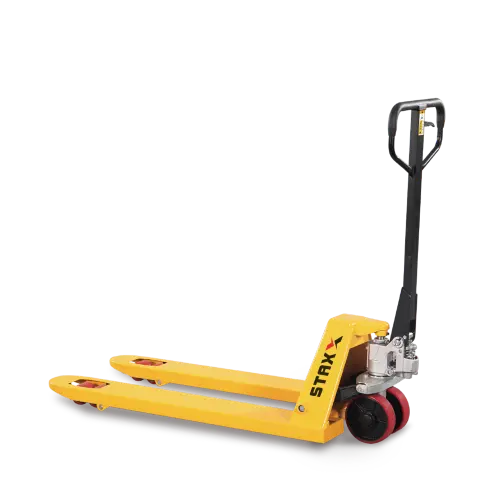
Includes forks, a hydraulic pump, handle, and wheels for easy movement. |
| Safety Features |
Equipped with safety brakes, low-profile forks for easy entry/exit of pallets, and operator controls for safe operation. |
| Applications |
Widely used in warehouses, manufacturing facilities, and retail environments for moving goods over short distances. |
How Does a Walking Pallet Jack Work?
A walking pallet jack, also known as a pedestrian pallet truck, is essential in warehouse operations. It allows operators to lift and move heavy pallets efficiently. According to a recent industry report, nearly 65% of logistics businesses have adopted walking pallet jacks to enhance productivity while reducing physical strain on employees.
How does it work? The operator stands beside the pallet jack and pushes it forward. With a simple lever, the operator raises or lowers the forks. This design enables seamless maneuverability in tight spaces like aisles. A study indicated that using walking pallet jacks can improve efficiency by 35%, especially during high-volume tasks. The ease of use minimizes the risk of injuries, which is a significant concern in warehouse environments.
Despite their benefits, walking pallet jacks aren't without challenges. Operators may need time to learn the controls effectively. Some users report that their heavy load limits lead to performance issues. Safety is crucial; proper training can help mitigate potential hazards. Incorporating regular maintenance is also vital to ensure optimal function. Following safety protocols can reduce accidents and improve overall workflow.
Key Features of Walking Pallet Jacks
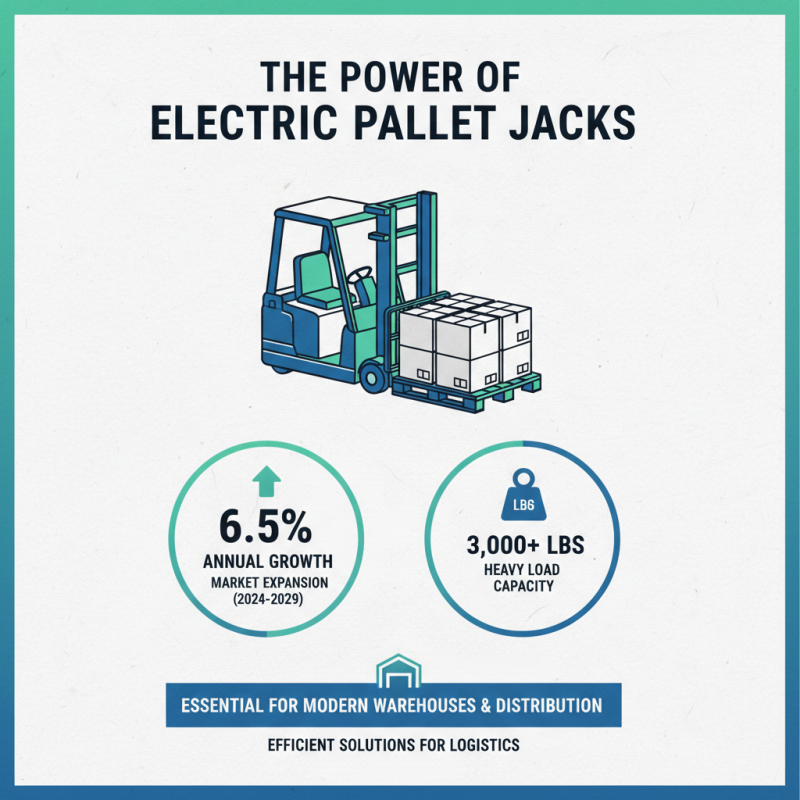
Walking pallet jacks, also known as ride-on pallet jacks, have become vital in warehouses and distribution centers. These machines facilitate moving heavy loads, often exceeding 3000 pounds. According to industry reports, the market for electric pallet jacks is projected to grow at a rate of 6.5% annually over the next five years. This growth highlights increasing demand for efficient warehouse solutions.
Key features of walking pallet jacks include their ergonomic design, which allows operators to maneuver comfortably. This reduces physical strain, as most tasks involve lifting and transporting goods repeatedly. The average operator can move up to 20 pallets an hour with these machines. Furthermore, many models offer adjustable fork heights, enhancing adaptability for various loads. However, while these jacks are efficient, they require regular maintenance. Neglecting this can lead to mechanical issues, impacting performance and safety.
Battery life is another crucial aspect. A fully charged battery typically lasts for an entire work shift. However, operators must ensure they understand battery management to avoid unexpected downtime. Training on battery health and load capacity is essential for maximizing efficiency. Despite their advantages, users should remain cautious about the environment in which they're operated, as uneven surfaces can pose significant risks.
Benefits of Using a Walking Pallet Jack
A walking pallet jack is a versatile tool for moving heavy loads. Its unique design allows for easy maneuverability even in cramped spaces. Many warehouses are now adopting this equipment for their daily operations. According to a report by the Material Handling Industry of America, using walking pallet jacks can improve efficiency by up to 30%. This is significant in fast-paced environments where time is critical.
Additionally, these jacks reduce physical strain on workers. An ergonomic design helps to minimize injuries caused by lifting and carrying heavy loads. A study from the National Institute for Occupational Safety and Health indicated that injuries related to manual material handling can decrease by 25% with the use of proper equipment. Yet, many operators may overlook routine maintenance, leading to potential failures. Regular checks are essential to ensure safety and reliability.
Despite clear benefits, not every facility uses walking pallet jacks. Some may stick to traditional forklifts due to familiarity. This resistance can hinder productivity improvements. It's essential to evaluate equipment suitability for your specific environment. Finding the right balance between efficiency and worker safety remains crucial in material handling operations.
Usage Statistics of Walking Pallet Jacks in Warehousing
Safety Tips for Operating a Walking Pallet Jack
Operating a walking pallet jack requires a keen focus on safety. Data from the Occupational Safety and Health Administration (OSHA) indicates that improper use can lead to workplace accidents, accounting for about 20% of warehouse injuries. These injuries often occur due to improper load handling and lack of training.
It's critical to ensure that you use the correct posture when operating a walking pallet jack. Keep your back straight, and bend your knees while lifting. Always inspect the equipment before use. Check for any signs of wear and tear. If something seems off, it’s better to report it than to risk an accident.
Another important aspect is load management. Ensure that the load is evenly distributed. Avoid exceeding the weight limit. A staggering 70% of accidents are associated with overloading. Utilize the safety features of the jack, such as emergency brakes. Never operate the machine on uneven surfaces. Small details matter. Ignoring them could lead to bigger problems down the road. Emphasizing these safety tips helps create a more secure working environment.

 Hand Pallet Trucks
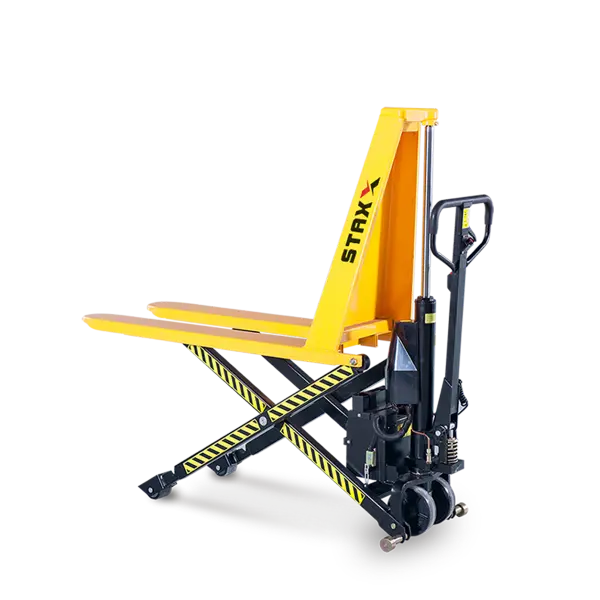 Special Pallet Trucks
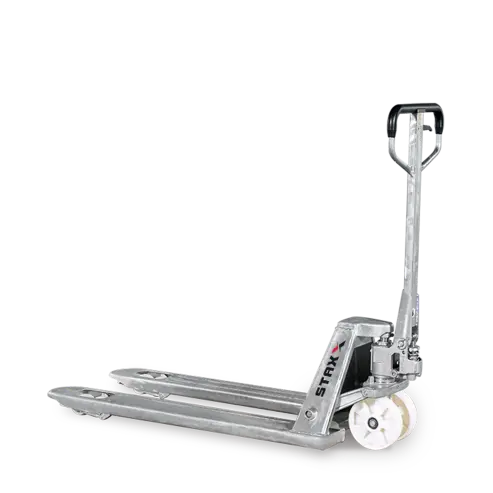 Galvanized and Inox Series
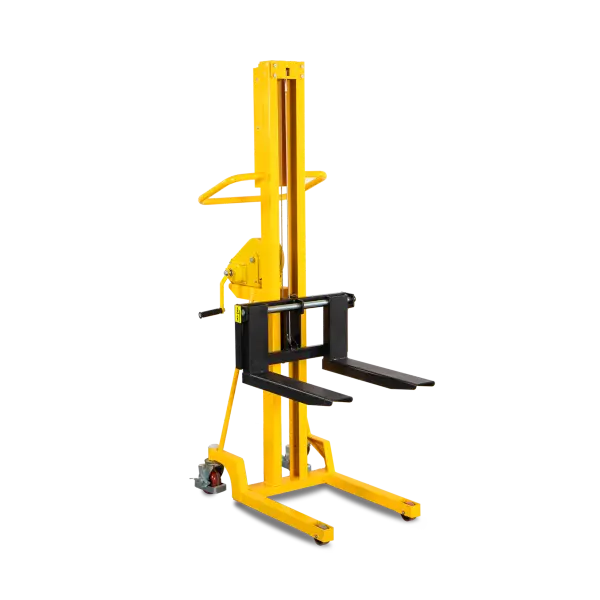 Easy Lift Service
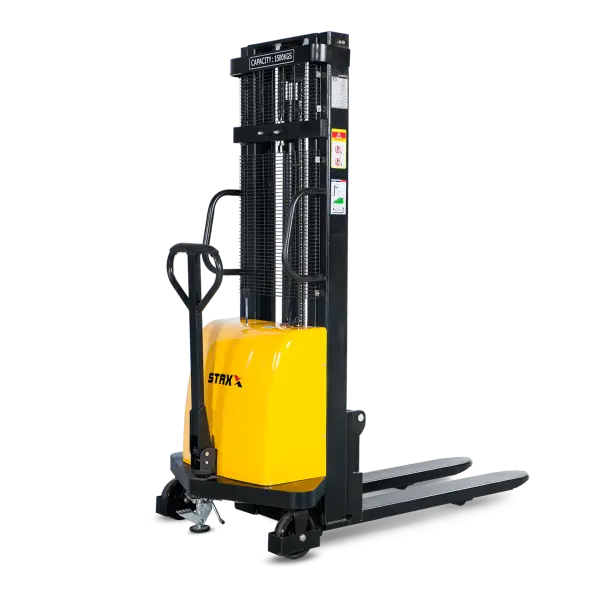 Manual Stackers
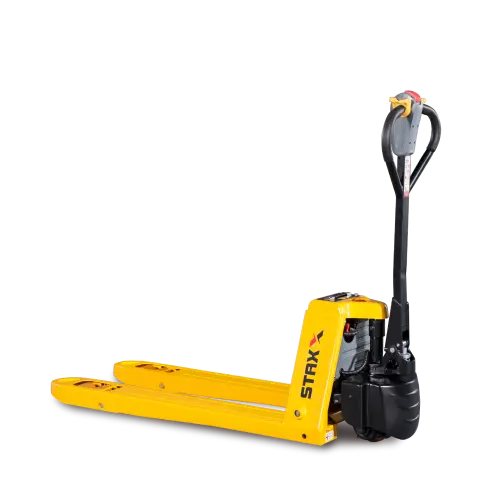 Electric Pallet Truck
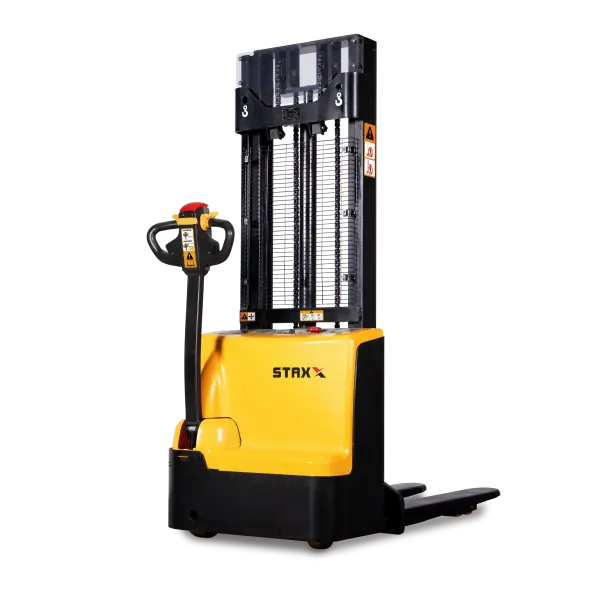 Electric Stackers
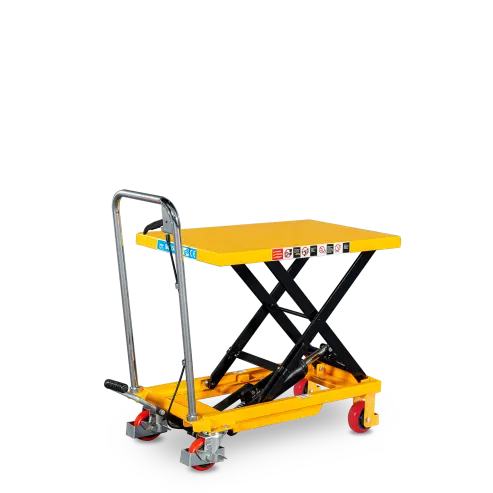 Lift Table
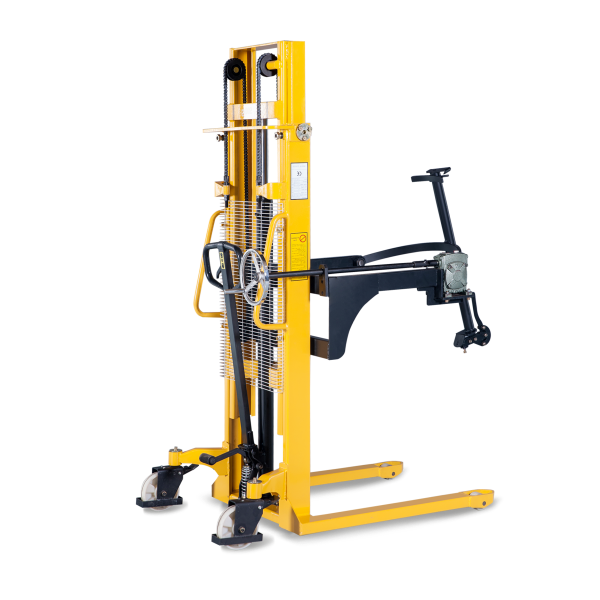 Drum Handling
 Others